Tribal Relations
Jason Herbert is a historian, public scholar, and Tribal Relations professional whose work sits at the intersection of Indigenous history, public lands, environmental stewardship, and storytelling.
A historian by training and a communicator by instinct, Herbert has built a career translating complex histories into conversations that matter — whether around a conference table, on public lands, or through digital media reaching audiences around the world.
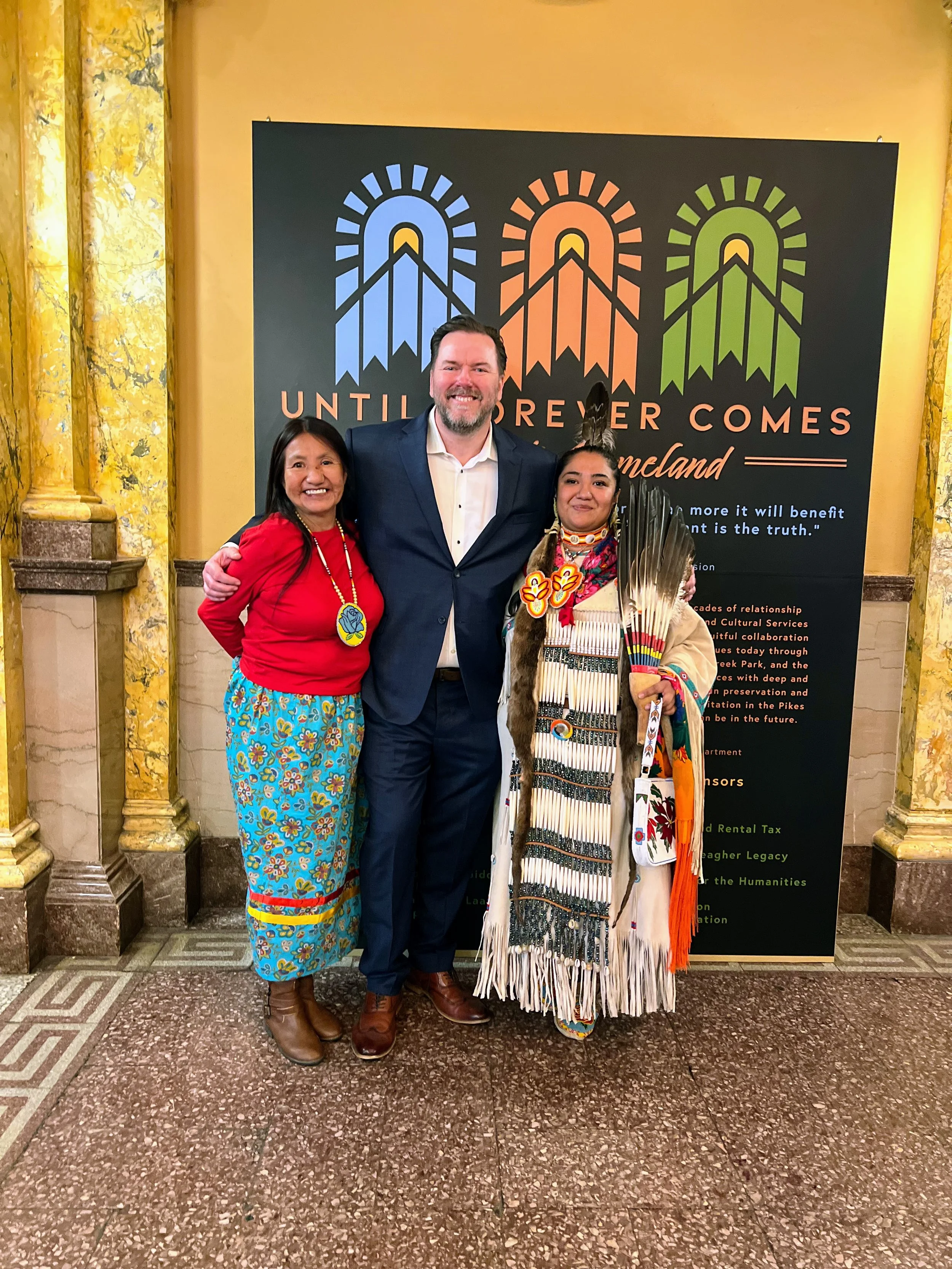
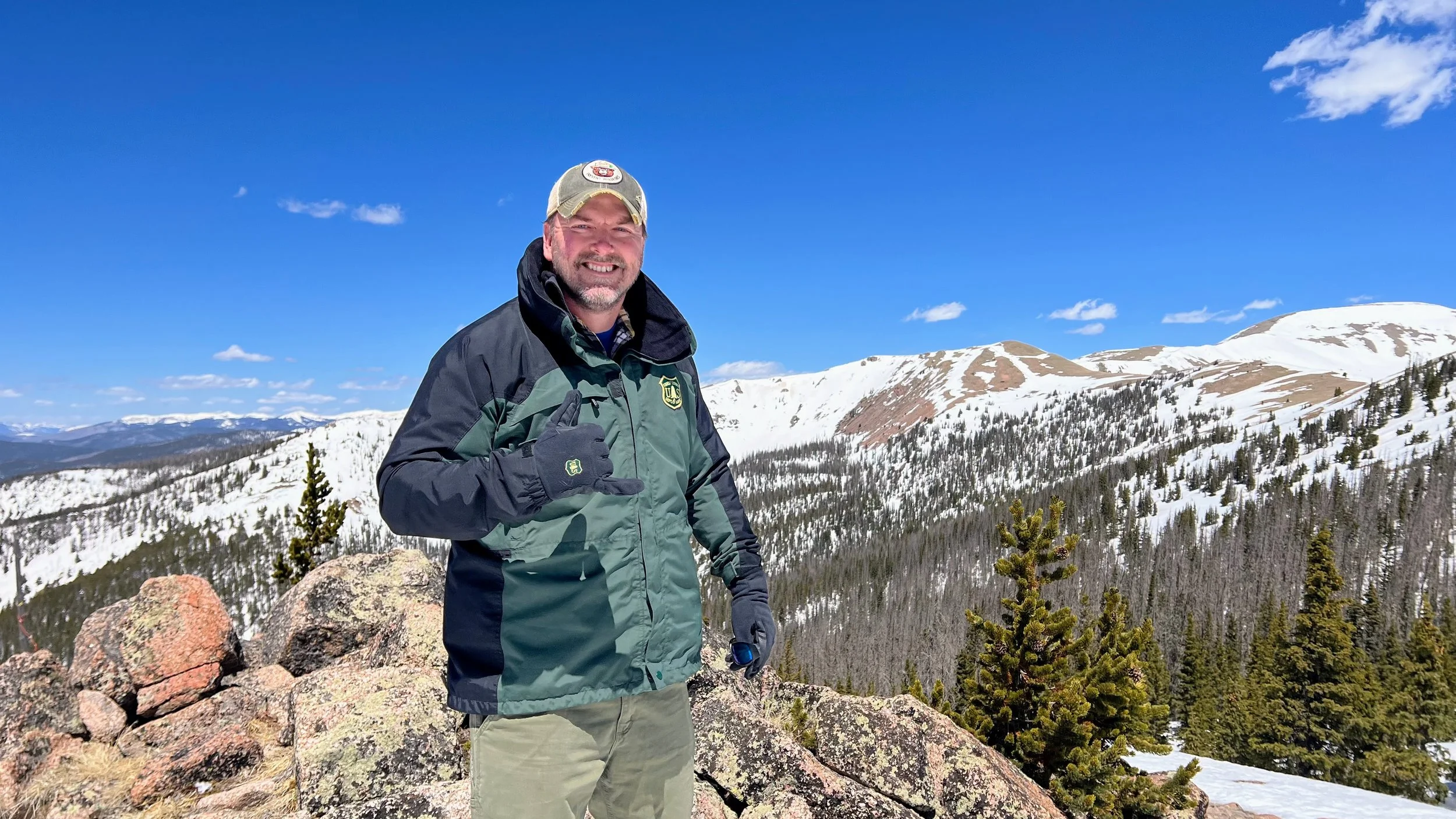
He currently serves as a Tribal Liaison with the United States Forest Service, where he works to strengthen relationships between federal land managers and Tribal Nations across the American West. His work emphasizes collaboration, consultation, cultural resource protection, Traditional Ecological Knowledge, and the long historical relationships Indigenous peoples maintain with ancestral homelands. Before joining the Forest Service, Herbert worked as an ethnographer for the Seminole Tribe of Florida and later as a historian for Kituwah Services, LLC, a tribally owned consulting firm of the Eastern Band of Cherokee Indians.
Herbert earned his Ph.D. in History from the University of Minnesota, where his scholarship focused on Native American history, environmental history, borderlands history, and the ways Indigenous communities shaped the economic and ecological landscapes of early America. His research on Seminole cattle culture, sovereignty, and Indigenous adaptation has received national recognition, including the Arthur W. Thompson Award from the Florida Historical Society.
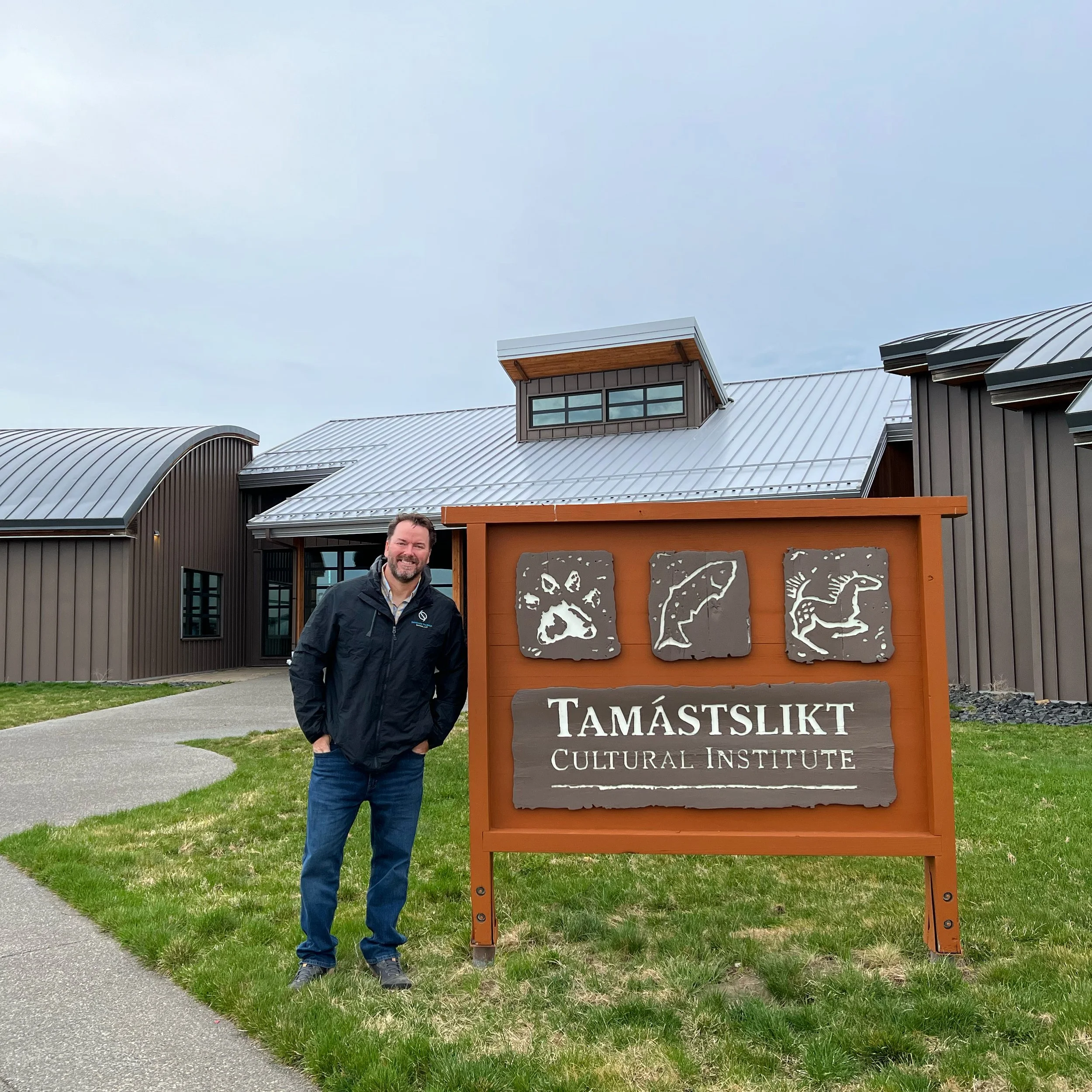
Across his academic and public work, Herbert has remained deeply committed to telling Indigenous histories with nuance, respect, and humanity. His collaborations with Tribal communities, museums, historians, and public agencies reflect a belief that history is not simply about the past — it is an active force shaping policy, identity, stewardship, and the future of public lands today.
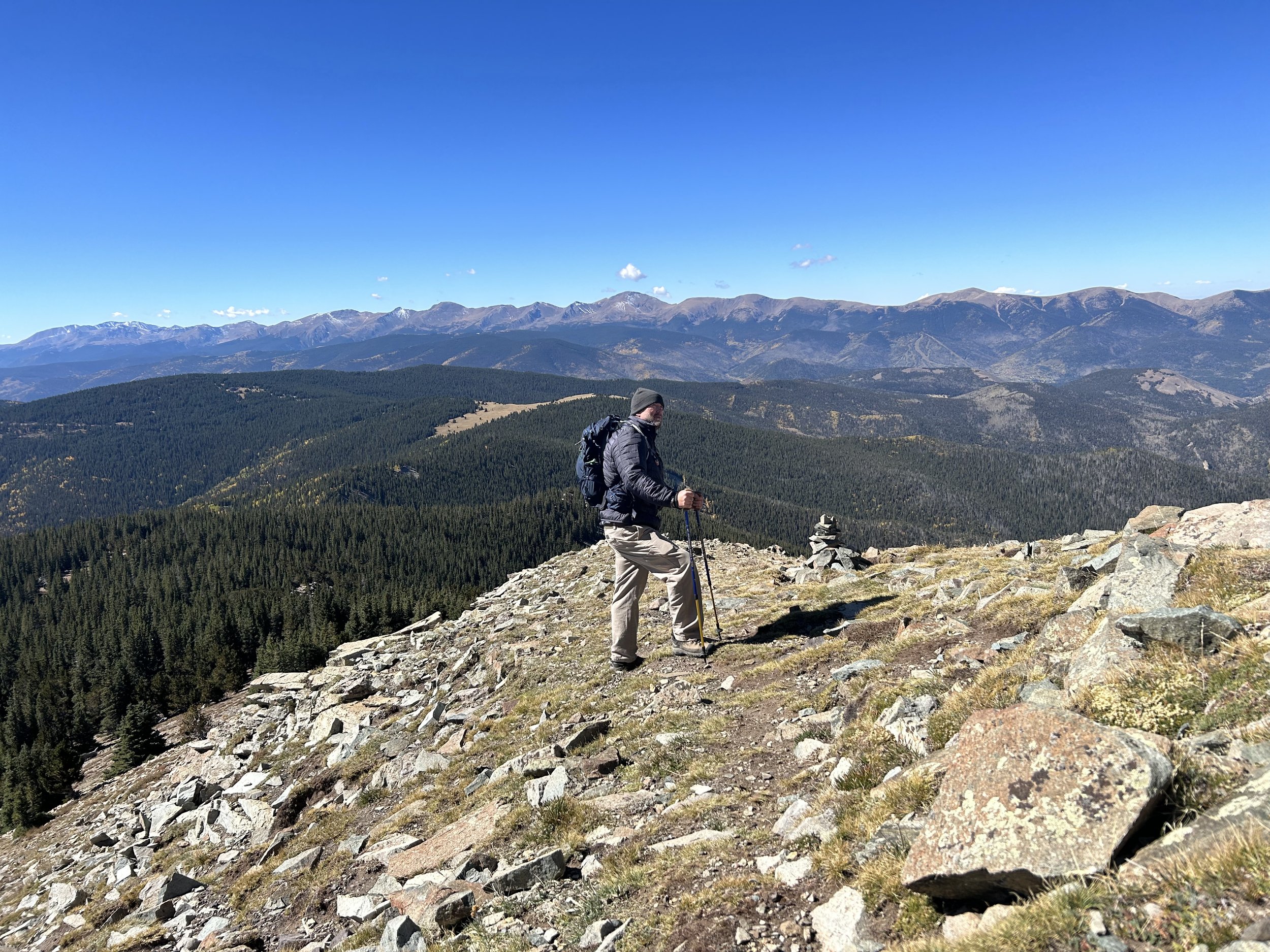
Originally from Kentucky and now based in the Rocky Mountain West, Herbert brings together the perspectives of scholar, outdoorsman, educator, and public servant. Whether discussing Indigenous fire stewardship, cattle culture in colonial Florida, or the cultural meaning of a classic film, his work is grounded in a simple belief: stories matter, and understanding the past helps us better understand the land, communities, and responsibilities we inherit today.