Episode 149: Confederate Monuments with Dr. Karen Cox
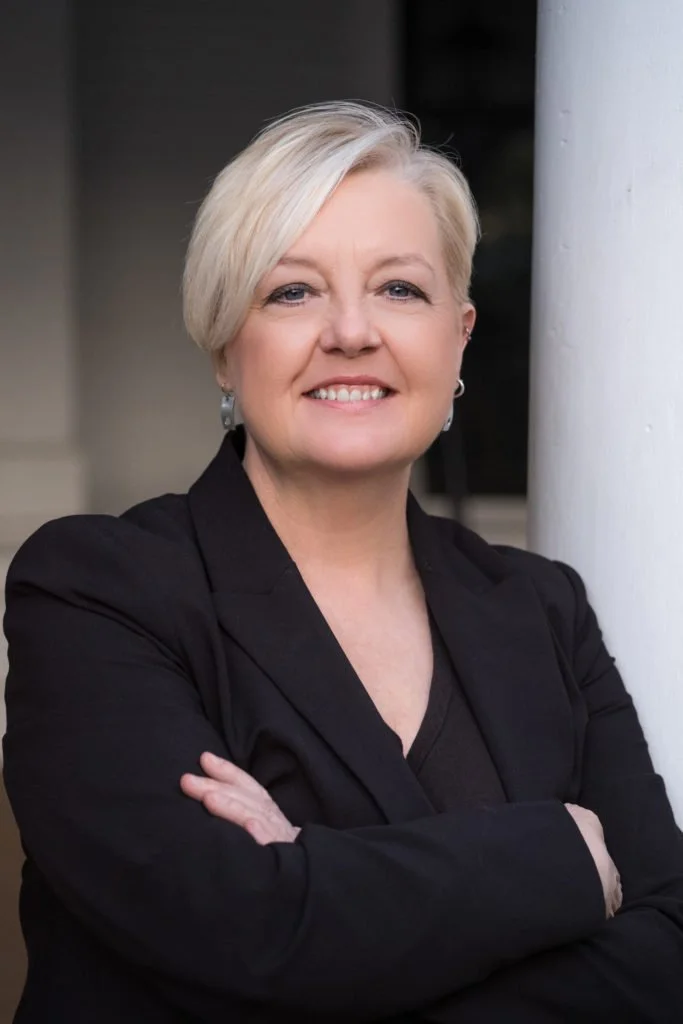
Karen L. Cox is an award-winning historian and a Distinguished Lecturer for the Organization of American Historians. She is the author of four books, the editor or co-editor of two volumes on southern history and has written numerous essays and articles, including an essay for the New York Times best seller Myth America: Historians Take on the Biggest Legends and Lies About Our Past. Her books include Dixie’s Daughters: The United Daughters of the Confederacy and the Preservation of Confederate Culture, Dreaming of Dixie: How the South Was Created in American Popular Culture, Goat Castle: A True Story of Murder, Race, and the Gothic South, and most recently, No Common Ground: Confederate Monuments and the Ongoing Fight for Racial Justice, which was published in April 2021 and won the Michael V.R. Thomason book prize from the Gulf South Historical Association.
A successful public intellectual, Dr. Cox has written op-eds for the New York Times, the Washington Post, CNN, TIME magazine, Publishers Weekly, Smithsonian Magazine, and the Huffington Post. She has given dozens of media interviews in the U.S. and around the globe, especially on the topic of Confederate monuments. She appeared in Henry Louis Gates’s PBS documentary Reconstruction: America after the Civil War, Lucy Worsley’s American History’s Biggest Fibs for the BBC, and the Emmy-nominated documentary The Neutral Ground, which examines the underlying history of Confederate monuments.
Cox is a professor emerita of history at the University of North Carolina at Charlotte where she taught from 2002-2024. She is currently writing a book that explores themes of the Great Migration, the Black press, and early Chicago jazz through the forgotten tragedy of the Rhythm Club fire, which took the lives of more than 200 African Americans in Natchez, Mississippi, in 1940.
You can follow her on Bluesky @DrKarenLCox.bsky.social
Episode 148: Is Jeremiah Johnson just 70s Mountain Man Porn with Jacob Lee
This week Dr. Jacob Lee joins in to talk about the real Jeremiah Johnson—and why Redford’s version may be a fantasy.
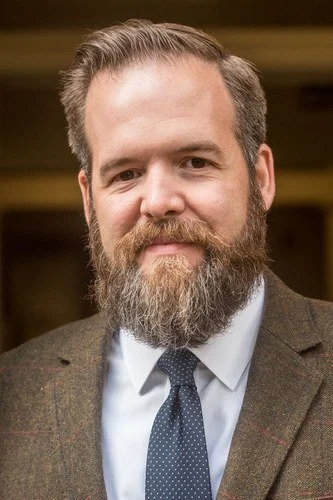
Jacob Lee is a historian of early America and the American West, focusing on colonialism and borderlands. His first book, Masters of the Middle Waters: Indian Nations and Colonial Ambitions Along the Mississippi (Harvard University Press, 2019), embedded intertwined Native and imperial histories in the physical landscape of Middle America, a vast region encompassing much of the central Mississippi River valley. In the centuries between the collapse of the ancient metropolis of Cahokia around A.D. 1300 and the rise of the U.S. empire in the early 1800s, power flowed through the kinship-based alliances and social networks that controlled travel and communication along the many rivers of the midcontinent. Drawing on a range of English-, French-, Spanish-, and Illinois-language sources, as well as archaeology, oral history, and environmental science, Masters of the Middle Watersemphasized the power of personal relationships and the environment to shape the course of empires and nations.
He is currently working on a history of the everyday operation of legal jurisdiction in Indian Territory (present-day Oklahoma and Kansas) from the 1820s through the 1850s. Tentatively-titled The Laws of Nations: Legal Jurisdiction and the Struggle for Sovereignty in Indian Territory, this project examines the ways that Indigenous nations, especially Cherokee Nation and Osage Nation, effected sovereignty over people and land through the assertion and exercise of jurisdiction over crimes committed within their borders. In adjudicating crimes ranging from murder to theft to bootlegging, Native nations repaired harms, defined citizenship, and exercised authority in the face of the efforts of U.S. federal and state governments to usurp and undermine Indigenous governance.
Episode 147: Jason and Thomas are dead men
Jason and Thomas recap their voyages to destinations unknown: San Diego and Minnesota's Boundary Waters, plus Thomas and Jason discuss the excitement of fall semesters on campus.
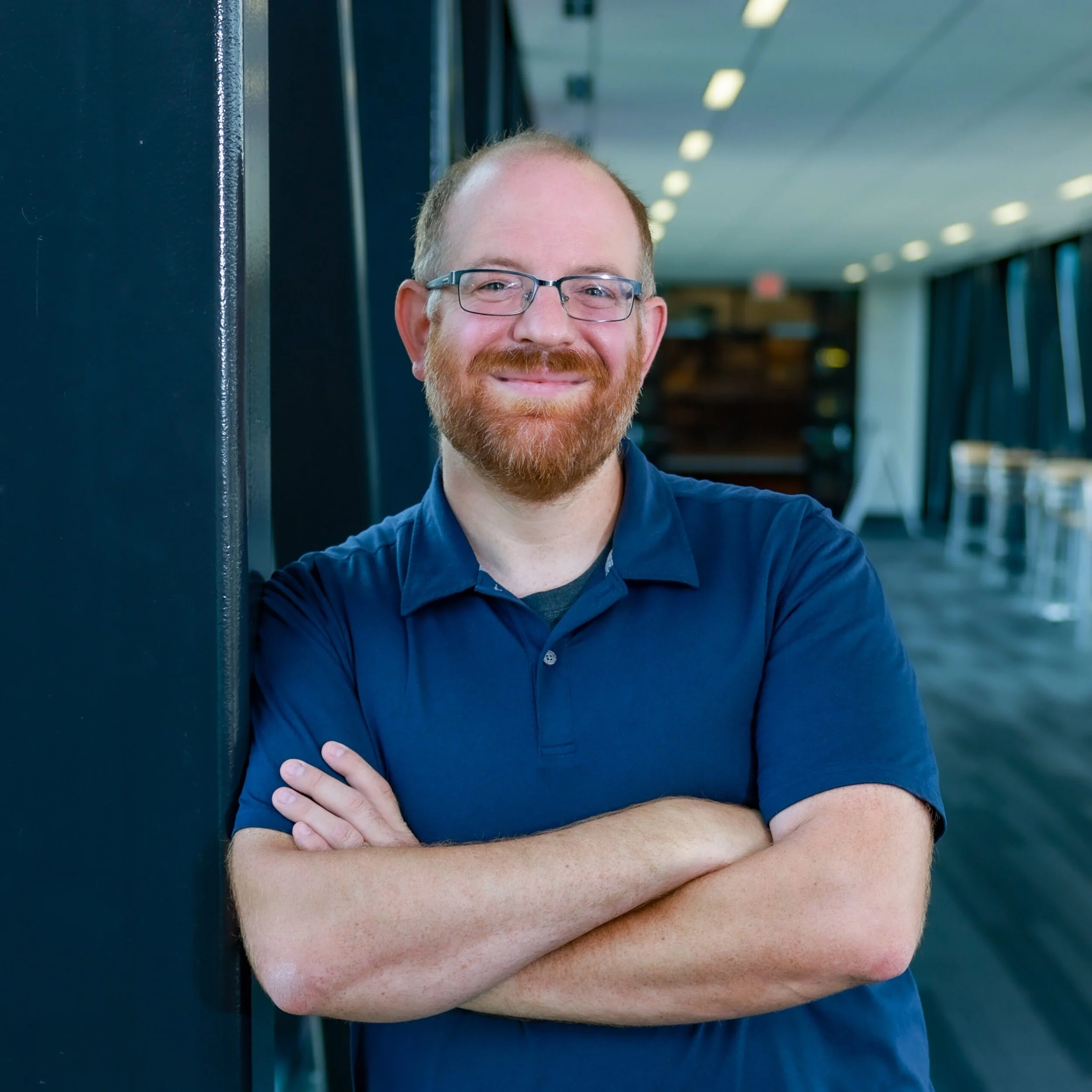
Dr. Thomas Lecaque is an Associate Professor of History at Grand View University. He has a Ph.D. in Pre-Modern European History from the University of Tennessee, an M.A. in English with a focus on Old English and Anglo-Norman literature from Truman State University, and a B.A. (also from Truman) in History with minors in Philosophy & Religion and English.
His dissertation, "The Count of Saint-Gilles and the Saints of the Apocalype: Occitanian Culture and Piety in the Time of the First Crusade," examined the importance of distinct regional identities in the performance of the First Crusade, focusing specifically on the territories controlled by and formative to Raymond of Saint-Gilles, Count of Toulouse, Duke of Narbonne, and Marquis of Provence. The unique cultural, religious, and political aspects of Occitania shaped the way the Provencal contingent on the First Crusade went about organizing, performing, and understanding crusading; the difference between Occitanian regions also helps us to understand the way Raymond of Saint-Gilles and Raymond d'Aguiliers perceive their actions and the role of the Holy Lance. This work offers a new vision of the First Crusade, one where universal motivations are less important than the specific regional identities of each crusading contingent.
His research has moved on to looking at the same language of religious violence and apocalypticism and its impact on other time periods and events. His current project looks at the rhetoric of holy war across languages and denominations in the wars of empire between England and France and numerous Native polities in the northeastern section of the United States. He also works on expressions of these sentiments in contemporary America, largely via public essays in places like The Washington Post, Foreign Policy, The Bulwark, Religious Dispatches, and the History News Network.
Episode 146: Thelma and Louise with Jacki Antonovich and Lauren MacIvor Thompson
This week we return to the vault to bring you Ridley Scott's unexpected western masterpiece: Thelma and Louise.

Dr. Jacqueline Antonovich a historian of health and medicine in the United States, with particular interests in how race, gender, and politics shape the medical field and access to health care. Her teaching interests include histories of public health, alternative medicine, disability, reproduction and childbirth, and epidemics. She also focuses on the history of the American West, nineteenth-century America, and the Gilded and Progressive Eras.
Her recent publications include "White Coats, White Hoods: The Medical Politics of the Ku Klux Klan in 1920s America," which received Honorable Mention at the Berkshire Conference of Women Historians for "Best Article in the Field of The History of Women, Gender, and/or Sexuality," and "Feminist Doctors and Medicine Women: The Lady Physician in the American Western," in Diagnosing History: Medicine in Television Period Drama." Currently, she is working on a book with Rutgers University Press, focusing on the history of women physicians and their political activism in the early twentieth century. She is also the creator and executive editor emerita of Nursing Clio, an online journal connecting historical scholarship to present-day issues of gender, health, and medicine. Her research and teaching have been featured in The Washington Post, BBC, Chronicle of Higher Education, NPR, and the podcast Getting Curious with Jonathan Van Ness.

Dr. Lauren MacIvor Thompson is a historian of reproductive health, women's rights, and the law. She is an Assistant Professor of History and Interdisciplinary Studies at Kennesaw State University and also serves as the faculty fellow at the Georgia State University College of Law's Center for Law, Health, and Society.
Her book, Rivals and Rights: The Politics of Contraception and the Making of the American Birth Control Movement is forthcoming with Rutgers University Press in 2025. She has published numerous academic articles and op-eds including work in Law and History Review, The Journal of the Gilded Age and Progressive Era, The Washington Post, and The New York Times. Her research has been supported by fellowships from the American Philosophical Society, the New York Academy of Medicine, and the Society for the Gilded Age and Progressive Era, among others. Thompson is also a frequent public speaker, including presentations at the American Historical Association, the Organization of American Historians, the American Society for Legal History, and the American Association for the History of Medicine, as well as national and international symposiums on suffrage and legal rights, reproduction, health, and medicine. She is a member of the national Scholars Strategy Network.
Episode 145: The Running Man with Craig Bruce Smith and Robert Greene II
This week Craig Bruce Smith and Robert Greene II join in to talk about our favorite dystopian films, why this film slips under the radar, and what it was like when Craign recently met Arnold himself.

Craig Bruce Smith is Professor of History at National Defense University in the Joint Advanced Warfighting School (JAWS) in Norfolk, VA. He authored American Honor: The Creation of the Nation’s Ideals during the Revolutionary Era and co-authored George Washington’s Lessons in Ethical Leadership.
Smith earned his PhD in American history from Brandeis University. Previously, he was an associate professor of military history at the U.S. Army School of Advanced Military Studies (SAMS), an assistant professor of history, and the director of the history program at William Woods University, and he has taught at additional colleges, including Tufts University. He specializes in American Revolutionary and early American history, specifically focusing on George Washington, honor, ethics, war, the founders, transnational ideas, and national identity. In addition, he has broader interests in colonial America, the early republic, leadership, and early American cultural, intellectual, and political history.

Dr. Greene received his Bachelor of Arts in Writing and Linguistics with a concentration in Creative Writing from Georgia Southern University; his Master of Arts in History from Georgia Southern University; and earned his Ph.D. in History from the University of South Carolina, Columbia. Dr. Greene recently completed his dissertation at the University of South Carolina, about the ways in which Democratic Party leaders in the South from 1964 to 1994 vied for the African American vote via appeals to Southern identity and memory of the Civil Rights Movement. Mr. Greene has published a book chapter in the collection Navigating Souths, and has published a scholarly article in Patterns of Prejudice. He has also published at several popular magazines and websites, including The Nation, Jacobin, Dissent, Scalawag, Current Affairs, and Jacobin.His research interests include African American history, American intellectual history since 1945, and Southern history since 1945. Dr. Greene is also a blogger and book review editor for the Society of U.S. Intellectual Historians, and has just begun a six-post stint for the Teaching American History blog.
Episode 144: Superman (2025) with John Wyatt Greenlee, Colin Colbourn, and Alan Malfavon
This week John Wyatt Greenlee, Colin Colbourn, and Alan Malfavon flyover to talk about James Gunn’s Superman, the need for heroes in everyday lives, and casting the rest of the DCU.
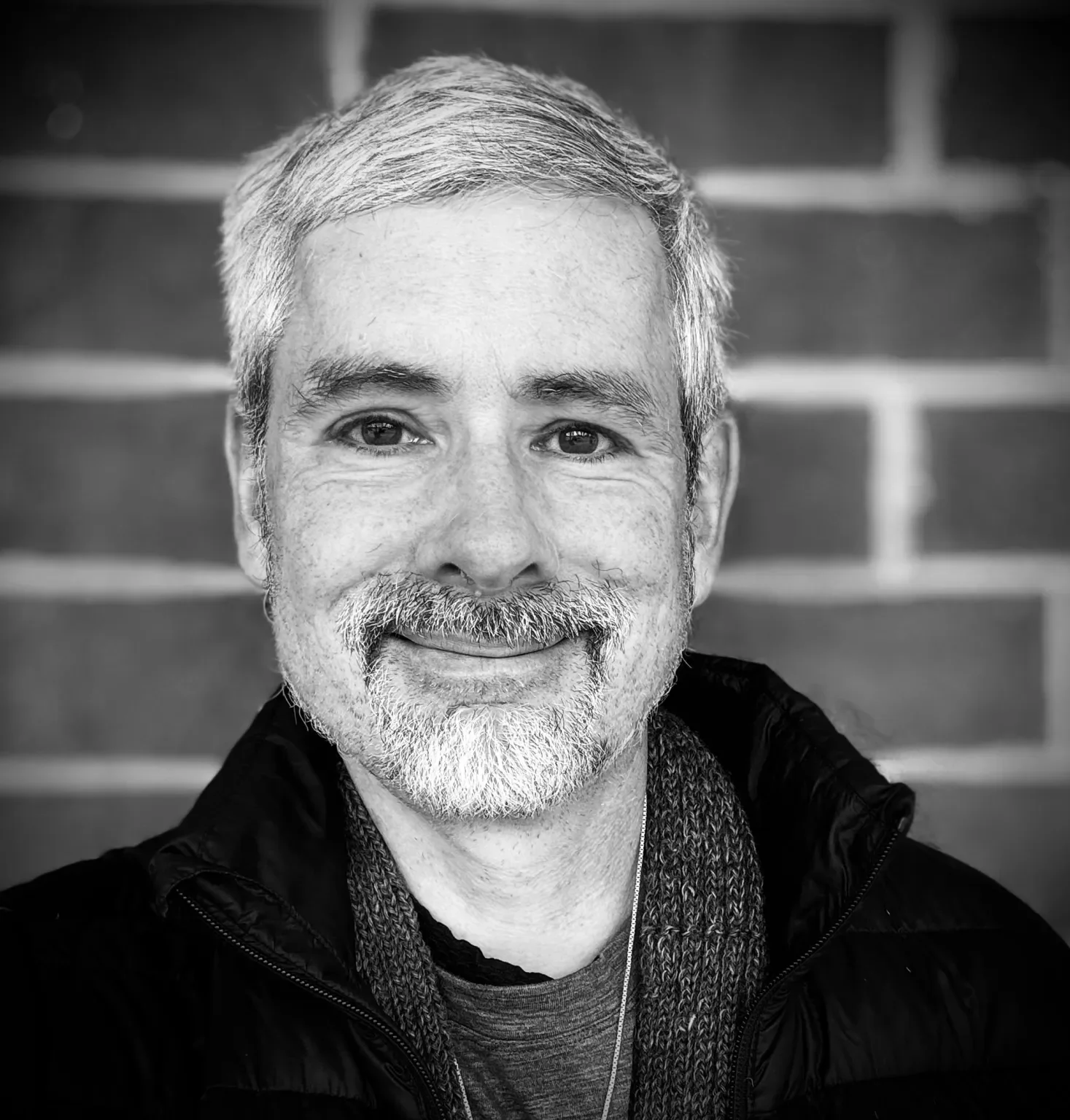
John Wyatt Greenlee is a medievalist and a cartographic historian, as well as a historian of roads and pathways and pilgrimage. But he is best well known for my work on the role of eels in pre-modern England from the tenth through the seventeenth centuries. He is heavily engaged in outreach and public engagement to make the eel history more widely known, and to raise awareness for the role of eels as an endangered species. His work with eels and eel history has been profiled in TIME, The Guardian, Atlas Obscura, Hakai Magazine, and The New Yorker (click here for a full list of earned media)
He has kept up the public outreach part of my work, though, and he contines to write and talk about eels and eel history. He is (mostly) no longer an academic, however. The collapse of the academic job market and the advent of COVID just as he completed his PhD saw to that. That saddens him; he believes we are at a point in time when we are badly in need of trained and thoughtful historians.
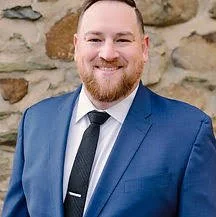
Dr. Colin Colbourn is Project Recover’s Lead Historian and a Postdoctoral Researcher with the University of Delaware. Since 2016, he has managed historical operations including archival research, data management, case analysis, and field investigations. Through these efforts, Project Recover has developed a massive internal archive comprised of thousands of historical reports, maps, and images. Learn more about Colin and his work with MIA Families.
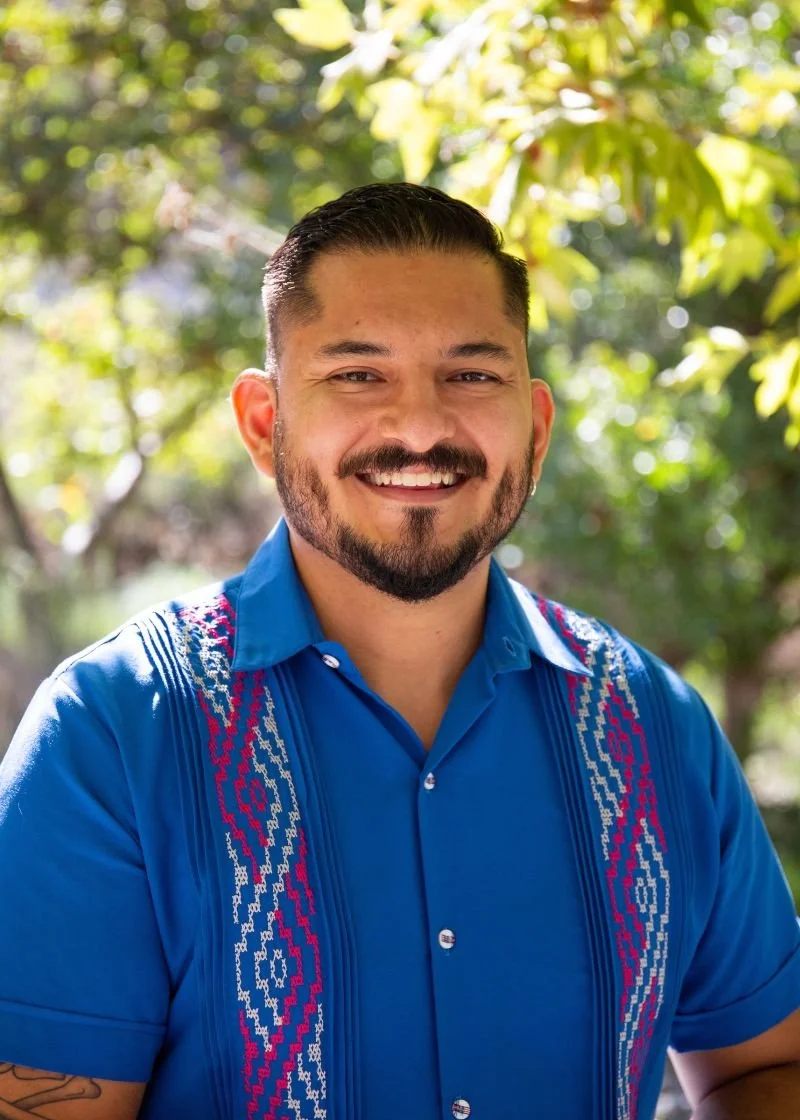
Dr. Alan Malfavon is an assistant professor of history at California State University-San Marcos. His research resituates Mexico’s socio-political, cultural, and economic networks with the Atlantic World and the Greater Caribbean, and it dissects and problematizes those networks by centering the Black and Afro-Mexican experience. His research interrogates and subverts archival silences that have erased Black and Afro-Mexican agency from narratives of Mexican identity and nation-state formation, seeking to diversify these narratives by foregrounding the voices, perspectives, and actions of Afro-descendants.
Episode 143: A Human History of the Sahara Desert with Dr. Judith Scheele
This week social anthropologist Dr. Judith Scheele joins in from France to talk about her decades of research into the diverse and fascinating peoples and places of the Sahara Desert.

Judith Scheele is professor of social anthropology at the École des hautes études en sciences sociales (School for Advanced Studies in the Social Sciences, EHESS). She has spent almost two decades living in and researching Saharan societies. The author of three previous books, she now lives in Marseille, France.
Find her book: https://amzn.to/3U8X19Y
Episode 142: Seven Years of Historians At The Movies
Looking back at the last seven years of HATM, along with my plans for the future.
Episode 141: F1 with Dr. Sarah Myers and Dr. Colin Colbourn
This week, two of my favorite people in the world join in to talk about Brad Pitt’s new film, F1 while they try to convert me into a Formula One racing fan. Ladies and Gentlemen, let’s start our engines.
Dr. Sarah Myers is a historian of 20th century U.S. history, gender, public history, oral history, and military history. In central Pennsylvania, she is an Associate Professor of History and Peace and Conflict Studies at Messiah University.
She recently published Earning Their Wings: The WASPs of World War II and the Fight for Veteran Recognition (UNC Press, 2023). She is a former museum curator and NEH grant recipient.
Dr. Colin Colbourn is Project Recover’s Lead Historian and a Postdoctoral Researcher with the University of Delaware. Since 2016, he has managed historical operations including archival research, data management, case analysis, and field investigations. Through these efforts, Project Recover has developed a massive internal archive comprised of thousands of historical reports, maps, and images. Learn more about Colin and his work with MIA Families.
Episode 140: American Mythmaking on Film: The Patriot with Craig Bruce Smith and Robert Greene II
We're enjoying the holiday this week so we thought we'd bring one back from the vault. This week Dr. Craig Bruce Smith and Dr. Robert Greene II and I talk about Mel Gibson's The Patriot, the role of constructed memory in national identity, and the ethics of making historical dramas.

Craig Bruce Smith is Professor of History at National Defense University in the Joint Advanced Warfighting School (JAWS) in Norfolk, VA. He authored American Honor: The Creation of the Nation’s Ideals during the Revolutionary Era and co-authored George Washington’s Lessons in Ethical Leadership.
Smith earned his PhD in American history from Brandeis University. Previously, he was an associate professor of military history at the U.S. Army School of Advanced Military Studies (SAMS), an assistant professor of history, and the director of the history program at William Woods University, and he has taught at additional colleges, including Tufts University. He specializes in American Revolutionary and early American history, specifically focusing on George Washington, honor, ethics, war, the founders, transnational ideas, and national identity. In addition, he has broader interests in colonial America, the early republic, leadership, and early American cultural, intellectual, and political history.
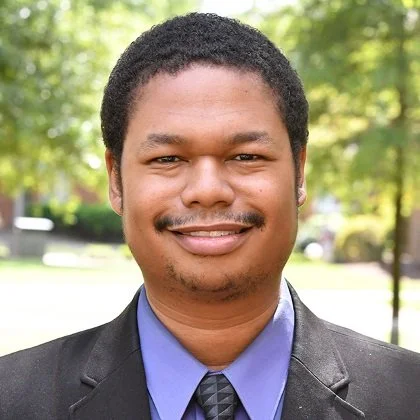
Dr. Robert Greene II Dr. Greene received his Bachelor of Arts in Writing and Linguistics with a concentration in Creative Writing from Georgia Southern University; his Master of Arts in History from Georgia Southern University; and earned his Ph.D. in History from the University of South Carolina, Columbia. Dr. Greene recently completed his dissertation at the University of South Carolina, about the ways in which Democratic Party leaders in the South from 1964 to 1994 vied for the African American vote via appeals to Southern identity and memory of the Civil Rights Movement. Mr. Greene has published a book chapter in the collection Navigating Souths, and has published a scholarly article in Patterns of Prejudice. He has also published at several popular magazines and websites, including The Nation, Jacobin, Dissent, Scalawag, Current Affairs, and Jacobin.His research interests include African American history, American intellectual history since 1945, and Southern history since 1945. Dr. Greene is also a blogger and book review editor for the Society of U.S. Intellectual Historians, and has just begun a six-post stint for the Teaching American History blog.
Episode 139: Black Hawk Down with Dr. Jonathan Carroll
This week military historian Dr. Jonathan Carroll drops in to talk about Black Hawk Down and his new book Beyond Black Hawk Down: Intervention, Nation-Building, and Insurgency in Somalia, 1992-1995.
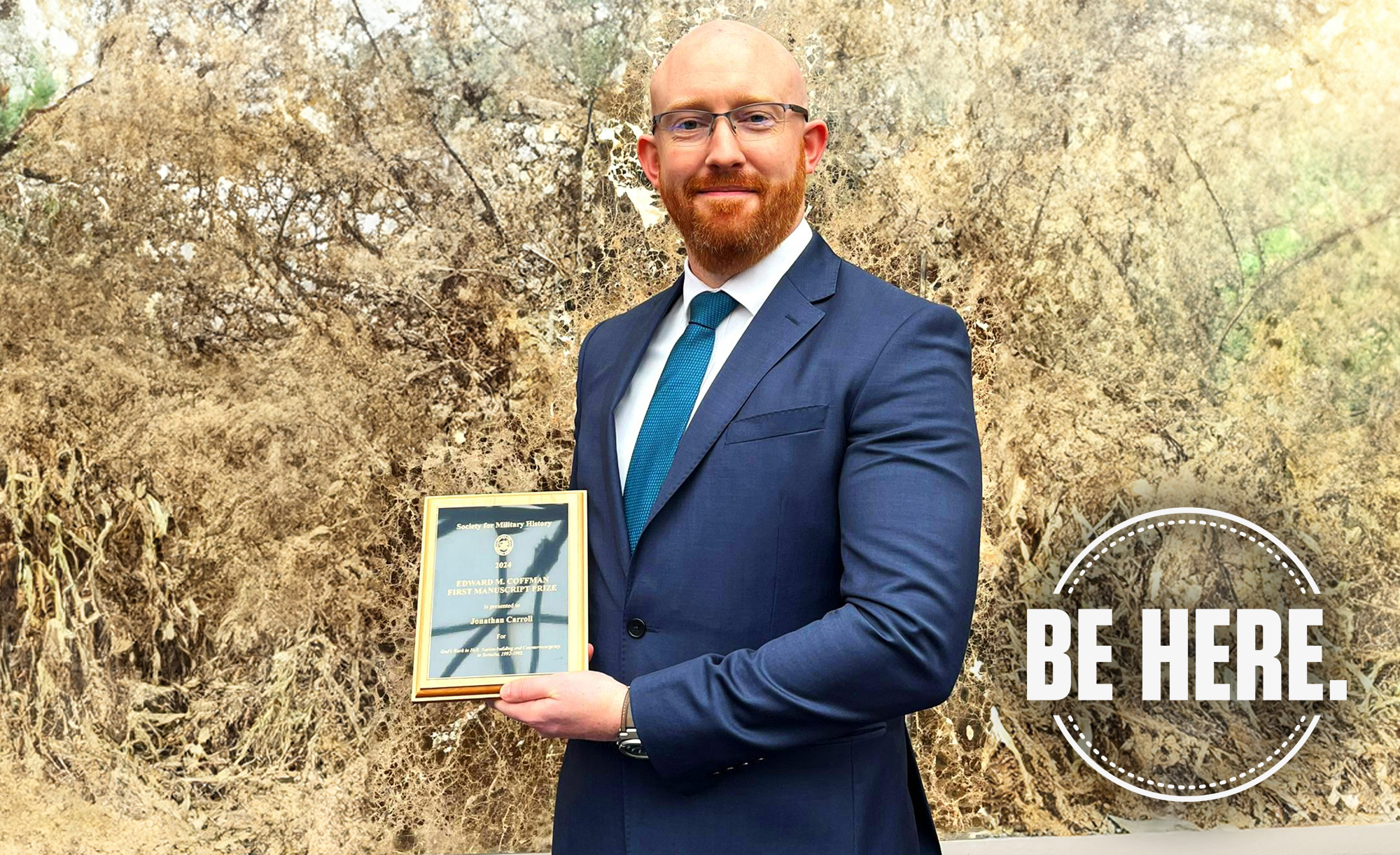
Jonathan Carroll is a former officer in the Irish Defence Forces who earned a PhD from Texas A&M University. He is an associate professor of military history at the Royal Military Academy, Sandhurst.
Episode 138: The Comanches Are Coming!
Talking about my weekend trip with Comanche youths, along with some of my experiences with the Seminole Tribe of Florida, the Southern Ute Indian Tribe, the Kiowa Tribe, and the Cheyenne and Arapaho Tribes.
Episode 137: The Princess Bride with John Wyatt Greenlee, Elizabeth Andersen, and Jillian Forsberg
This week John Wyatt Greenlee returns as guest host and he’s looking for a six fingered man.
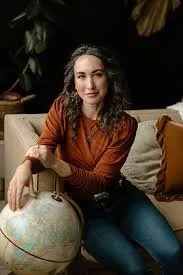
Award-winning Kansas author Jillian Forsberg holds a master’s degree in public history from Wichita State University and a bachelor’s degree in communication and history from McPherson College. Jillian is a regular contributor to Writer Unboxed and leads the Manuscript Matchup beta reader program through History Through Fiction.
You can find Jillian gardening, browsing the closest antique mall, or reading every label at a museum. She'll most likely be wearing vintage dresses, except when she's at the zoo. Jillian owns Dress Gallery, Kansas's best-rated bridal store, and has worked in bridal since 2007. She lives in Wichita, Kansas, with her husband, child, and pets.Jillian’s second novel, THE PORCELAIN MENAGERIE, debuts 10/21/2025. Her third novel is written and she's working on her fourth and fifth books.
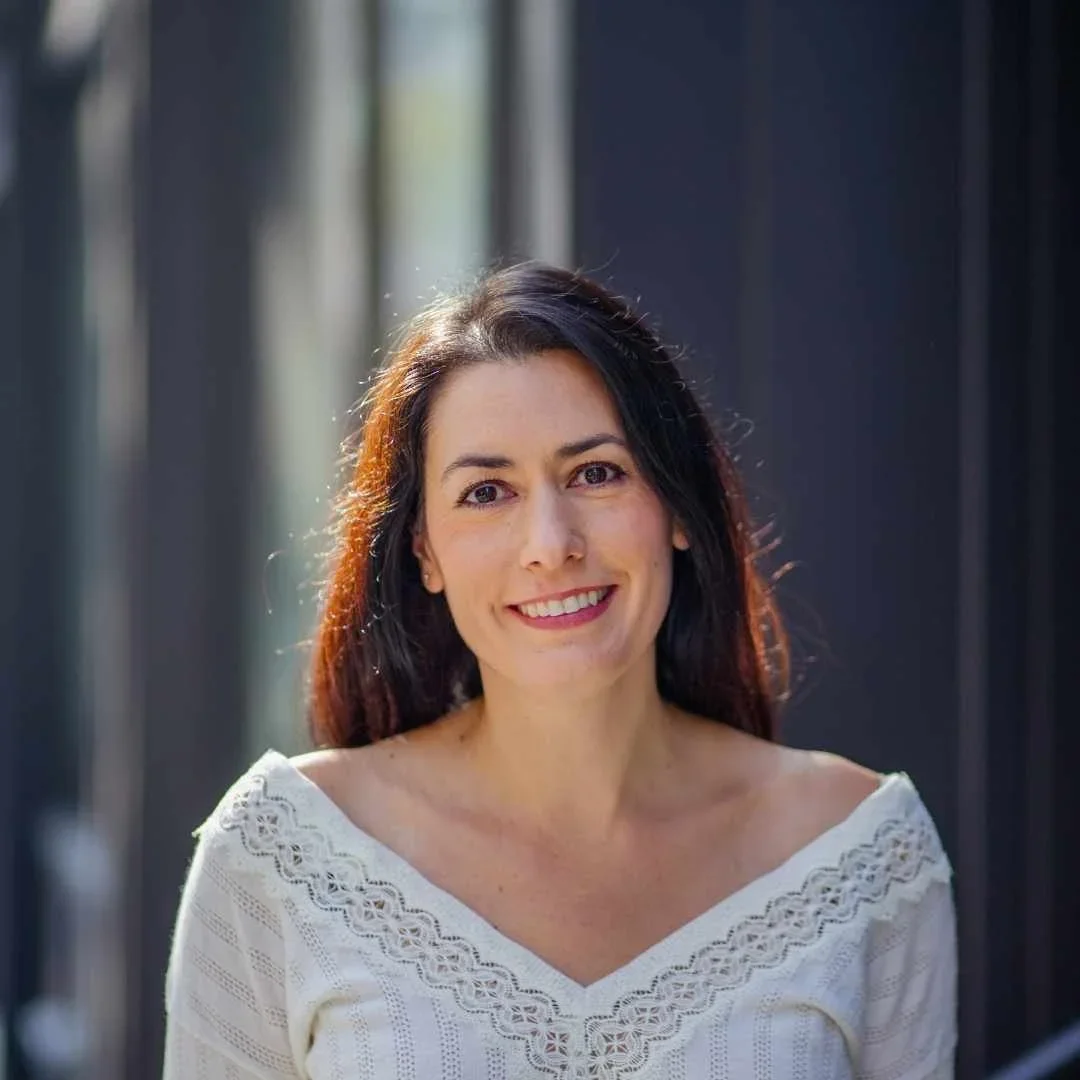
Elizabeth Andersen lives in the stunning Pacific Northwest in the United States, where she spends much of her time hiking and exploring the Cascade and Olympic mountain ranges, or else reading, writing, and cooking inside if it’s raining (which it does, a lot). Her experience in historical fiction comes from a lifetime of reading and writing stories about the past, and an insatiable love of research, fueled by a journalism degree.
Episode 136: Diggstown and How Boxing became a Battleground for Black Manhood with Dr. Lou Moore
This week, our friend Dr Lou Moore drops in to talk about Diggstown and his work tracing black boxing from the end of the Civil War into the 20th century.
Louis Moore is Professor of History at Michigan State University. His research and writing examines the interconnections between race and sports. He is the author of three books, I Fight for a Living: Boxing and the Battle for Black Manhood, 1880-1915 and We Will Win the Day: The Civil Rights Movement, the Black Athlete, and the Quest for Equality, and The Great Black Hope: Doug Williams, Vince Evans, and the Making of the Black Quarterback. In addition, he has two audible lectures; African American Athletes Who Made History and A Pastime of Their Own: The Story of Negro League Baseball. He has also written for various online outlets including The New York Daily News, Vox, The Global Sports Institute, First and Pen, and the African American Intellectual Historical Society, and he has appeared on NPR, MSNBC, CNN, and BBC Sports. The co-host of the Black Athlete Podcast.
Episode 135: Saving Private Ryan with Dr. Paul Thomas Chamberlin
This week Dr. Paul Thomas Chamberlin drops in to talk about the history behind Operation Overlord and Steven Spielberg's Saving Private Ryan.
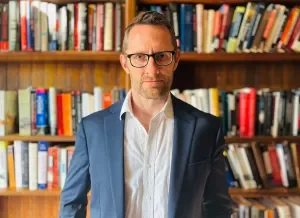
Paul Chamberlin specializes in twentieth century international history with a focus on U.S. foreign relations and the Middle East. His first book, The Global Offensive: The United States, the Palestine Liberation Organization, and the Making of the Post-Cold War Order (Oxford, 2012), is an international history of the Palestinian liberation struggle. His next book, The Cold War's Killing Fields: Rethinking the Long Peace (HarperCollins, 2018), is a global history of the bloodiest encounters of the Cold War.
Episode 134: The Spiritual Journey of Albert Einstein with Dr. Kieran Fox
Today neuroscientist and psychiatrist Dr. Kieran Fox joins in to talk about the spiritual journey of Albert Einstein.
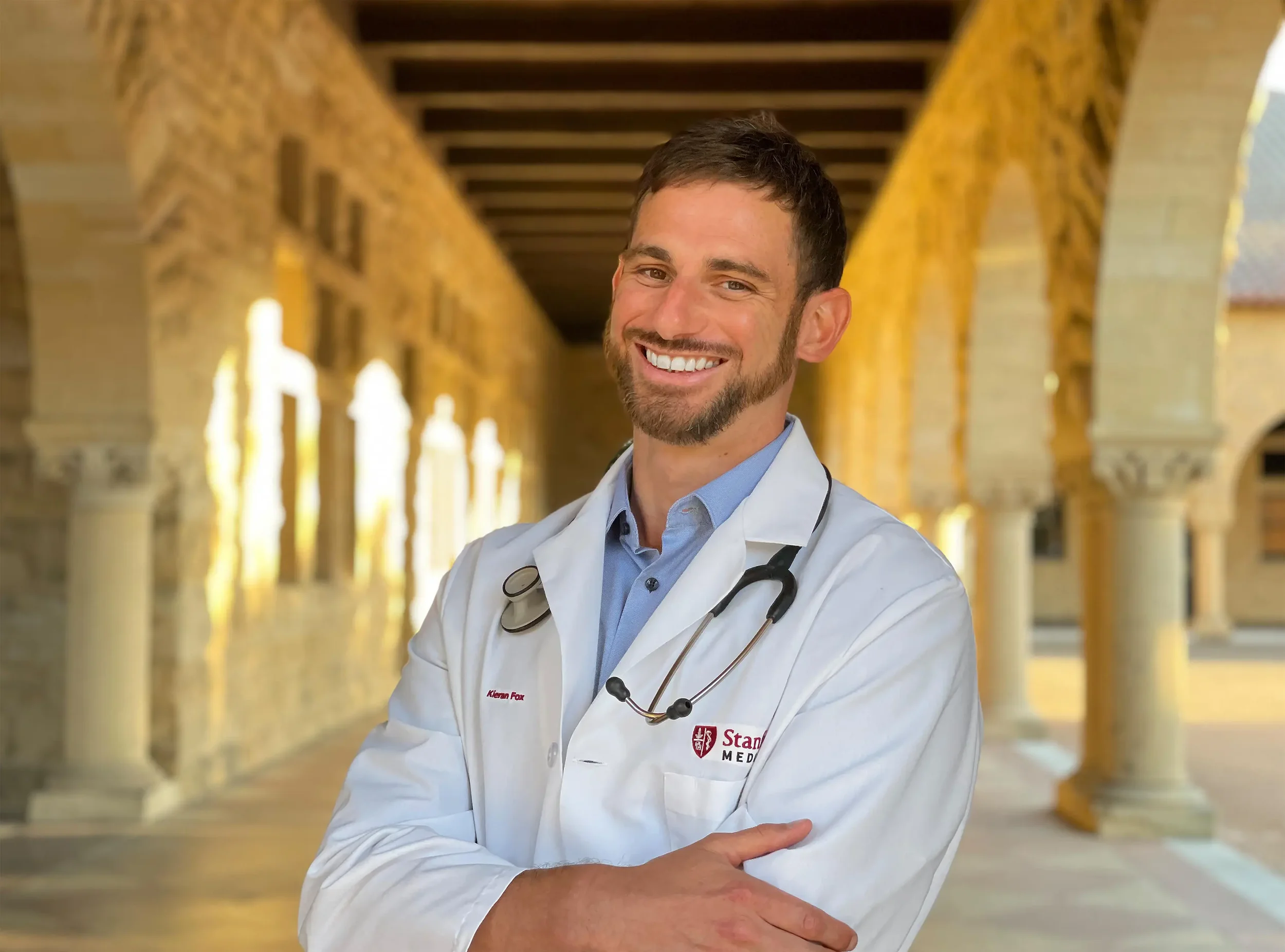
Dr. Kieran Fox is a neuroscientist (PhD 2016) and doctor (MD 2023), currently training to be a psychiatrist in the Research Resident Training Program at the University of California San Francisco. His research over the next few years will focus on the neural mechanisms and clinical potential of psychedelic medicines. During medical school, he used intracranial electrical stimulation (neuromodulation) of the human brain to research cognition and emotion in epilepsy patients.
Episode 133: Mission Impossible: The Reckoningest Pod Ever with Justin Rawlins and Craig Bruce Smith
This week Justin Rawlins and Craig Bruce Smith drop in to talk about Mission Impossible: The Final Reckoning and their thoughts on the MI franchise.
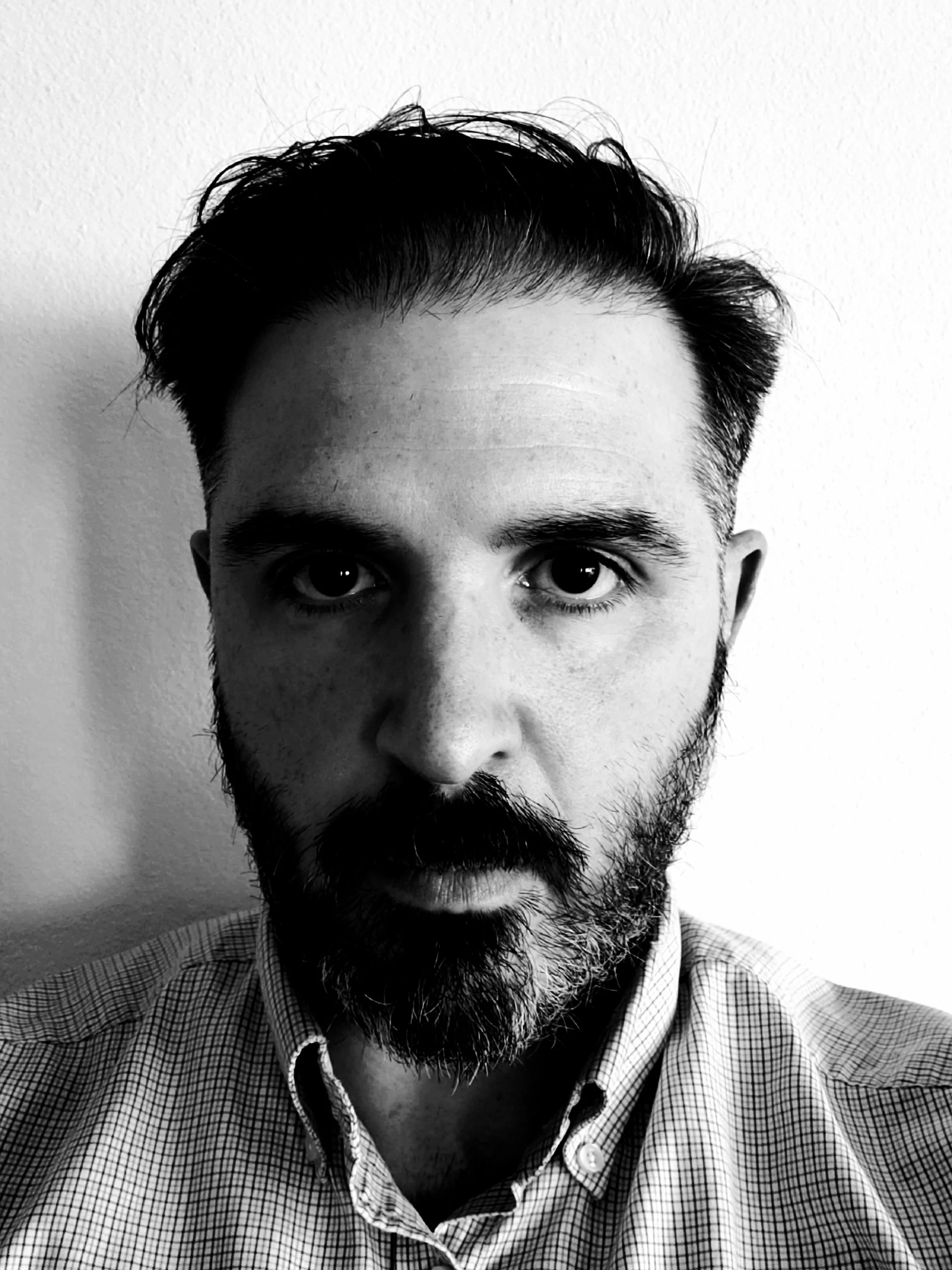
Justin Rawlins, Ph.D., is an associate professor of media studies and film studies, and the author of “Imagining the Method” (University of Texas Press, 2024). His research peels back the layers of film/media cultures to elucidate the ideological work that screen texts (e.g., films, TV programs, performers, stars, influencers) do as they radiate out of the culture industries and circulate through our everyday lives. Rawlins new research examines how our ideas of screen acting and actors are becoming part of discussions around, promotions of, and experiments with “AI” and performers both living and deceased.

Craig Bruce Smith is Professor of History at National Defense University in the Joint Advanced Warfighting School (JAWS) in Norfolk, VA. He authored American Honor: The Creation of the Nation’s Ideals during the Revolutionary Era and co-authored George Washington’s Lessons in Ethical Leadership.
Smith earned his PhD in American history from Brandeis University. Previously, he was an associate professor of military history at the U.S. Army School of Advanced Military Studies (SAMS), an assistant professor of history, and the director of the history program at William Woods University, and he has taught at additional colleges, including Tufts University. He specializes in American Revolutionary and early American history, specifically focusing on George Washington, honor, ethics, war, the founders, transnational ideas, and national identity. In addition, he has broader interests in colonial America, the early republic, leadership, and early American cultural, intellectual, and political history.
Episode 132: Conversations with Women Filmmakers with Kevin Smokler
Writer and filmmaker Kevin Smokler returns to the pod to talk about his discussions with 25 different women filmmakers.

Kevin Smokler is a writer, documentary filmmaker and event host focused on our relationship as human beings with pop culture. His most recent book BREAK THE FRAME: CONVERSATIONS WITH WOMEN FILMMAKERS contains 24 career-retrospective conversations with directors behind box office phenomenon like Captain Marvel, Oscar winners like Free Solo and the filmmakers who launched actors such as America Ferrera, Paul Rudd, Ryan Gosling and Jennifer Lawrence. His previous books, BRAT PACK AMERICA is a love letter to teen movies of the 1980s. His 2013 essay collection PRACTICAL CLASSICS is a 50 book attempt to reread one’s high school reading list as an adult.
His feature length documentary film VINYL NATION on the American renaissance of the vinyl record, won ten awards and screened at 50 film festivals worldwide. His new documentary MIDDLE GROUNDS, about coffee shops and civic dialogue will be released this year.
Episode 131: The history of axe murder with Rachel McCarthy James
Today Rachel McCarthy James drops in to talk about the development of the axe and the myriad of ways it has been used to dispatch people and empires over the years.
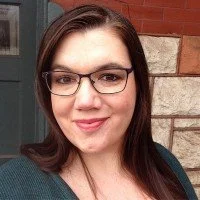
Rachel McCarthy James was born and raised in Kansas, the daughter of baseball’s Bill James and artist Susan McCarthy. She graduated from Hollins University in Roanoke, VA, where she studied writing and politics. Her first nonfiction book, The Man from the Train, was written in collaboration with her father and published in 2017. She lives with her husband Jason and pets in Lawrence, KS.
Welcome to Reckoning with Jason Herbert
It's a new day here at the podcast. Historians At The Movies Podcast is now Reckoning with Jason Herbert. We're opening up our focus and the things we talk about here.