Emergency Pod: The Majesty of Andor with Dr. Alan Malfavon
Andor is the greatest Star Wars we've ever seen on any screen and it's not close. My close friend Alan Malfavon joins in to talk about the brilliance of this show, what it means to us, and what we hope to see next.
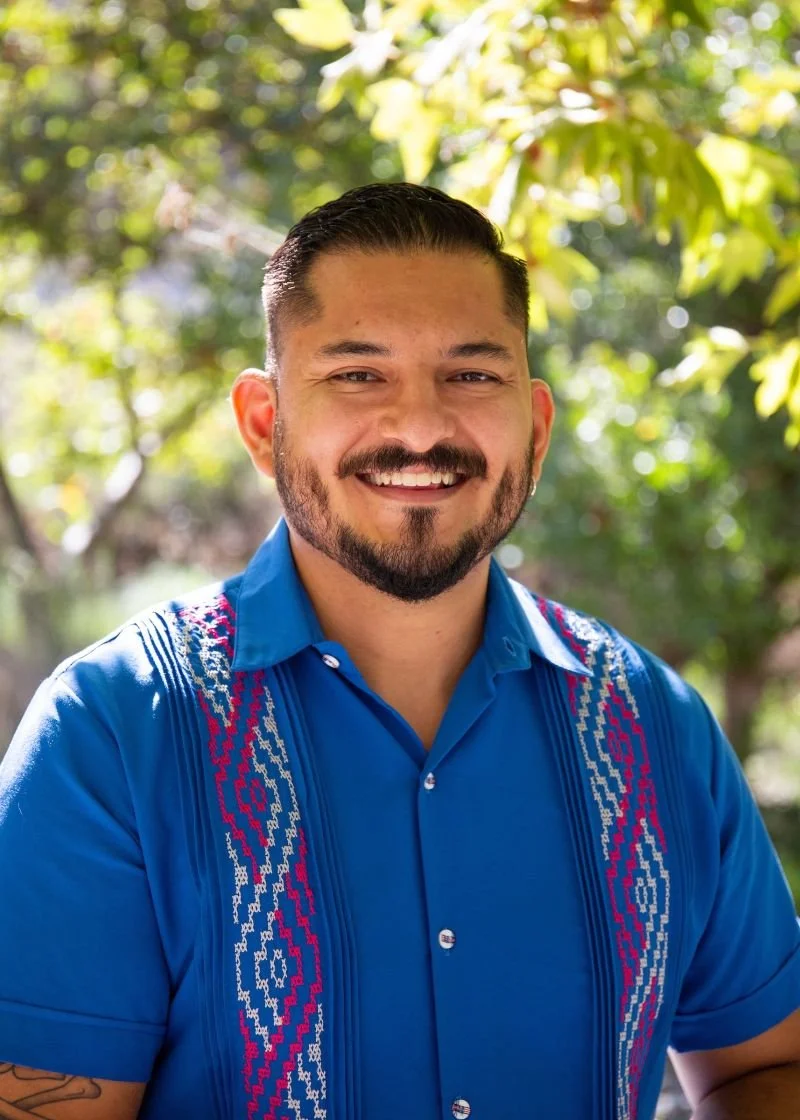
Alan Malfavon resituates Mexico’s socio-political, cultural, and economic networks with the Atlantic World and the Greater Caribbean, and it dissects and problematizes those networks by centering the Black and Afro-Mexican experience. His research interrogates and subverts archival silences that have erased Black and Afro-Mexican agency from narratives of Mexican identity and nation-state formation, seeking to diversify these narratives by foregrounding the voices, perspectives, and actions of Afro-descendants.
Episode 130: Robin Hood in film and history with Dr. Amy S. Kaufman
This week Dr. Amy S. Kaufman drops in to talk about our favorite representations of Robin Hood, how he has changed through history, and her new novel, The Traitor of Sherwood Forest.
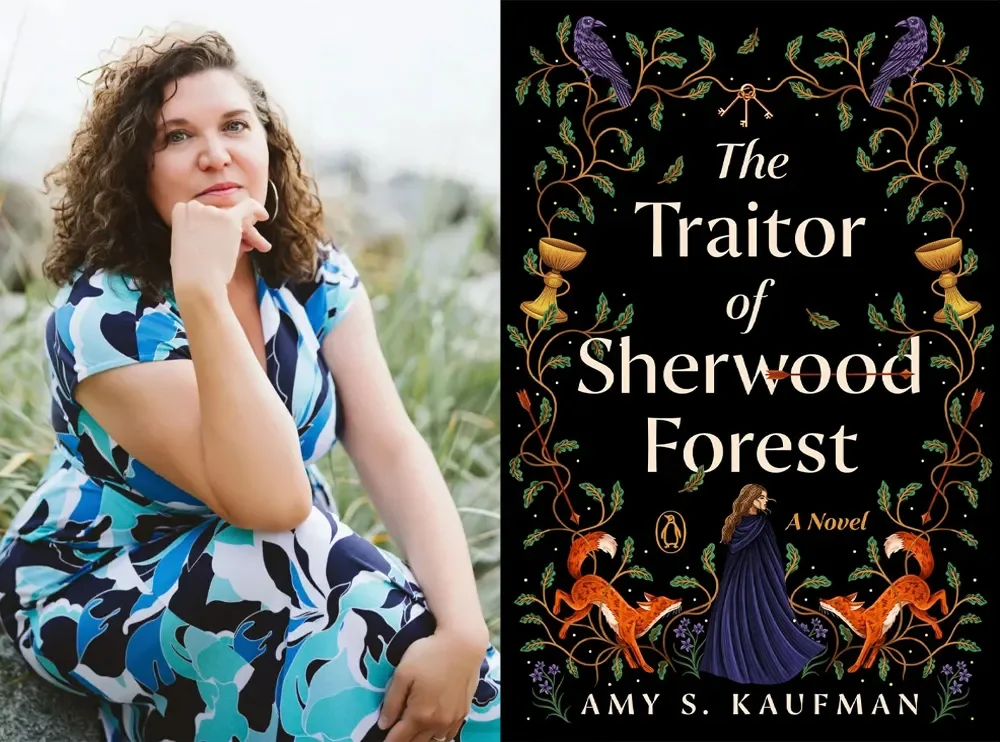
Amy S. Kaufman is the author of The Traitor of Sherwood Forest, a Robin Hood retelling based on the medieval ballads (Penguin Books, 2025). Amy holds a PhD in medieval literature and has written about the Middle Ages for both academic journals and popular websites, including The Washington Post. She is co-author of The Devil’s Historians: How Modern Extremists Abuse the Medieval Past (University of Toronto Press, 2020).
A former English professor, Amy now writes full time from Vancouver, where she can’t stop taking pictures of the mountains. The Traitor of Sherwood Forest is her debut novel.
Episode 129: Defiance and the Holocaust in Belarus and Ukraine with Dr. Waitman Beorn
This week Dr. Waitman Beorn drops in to talk about Defiance (2008) and his work researching the Holocaust in Europe during World War II.
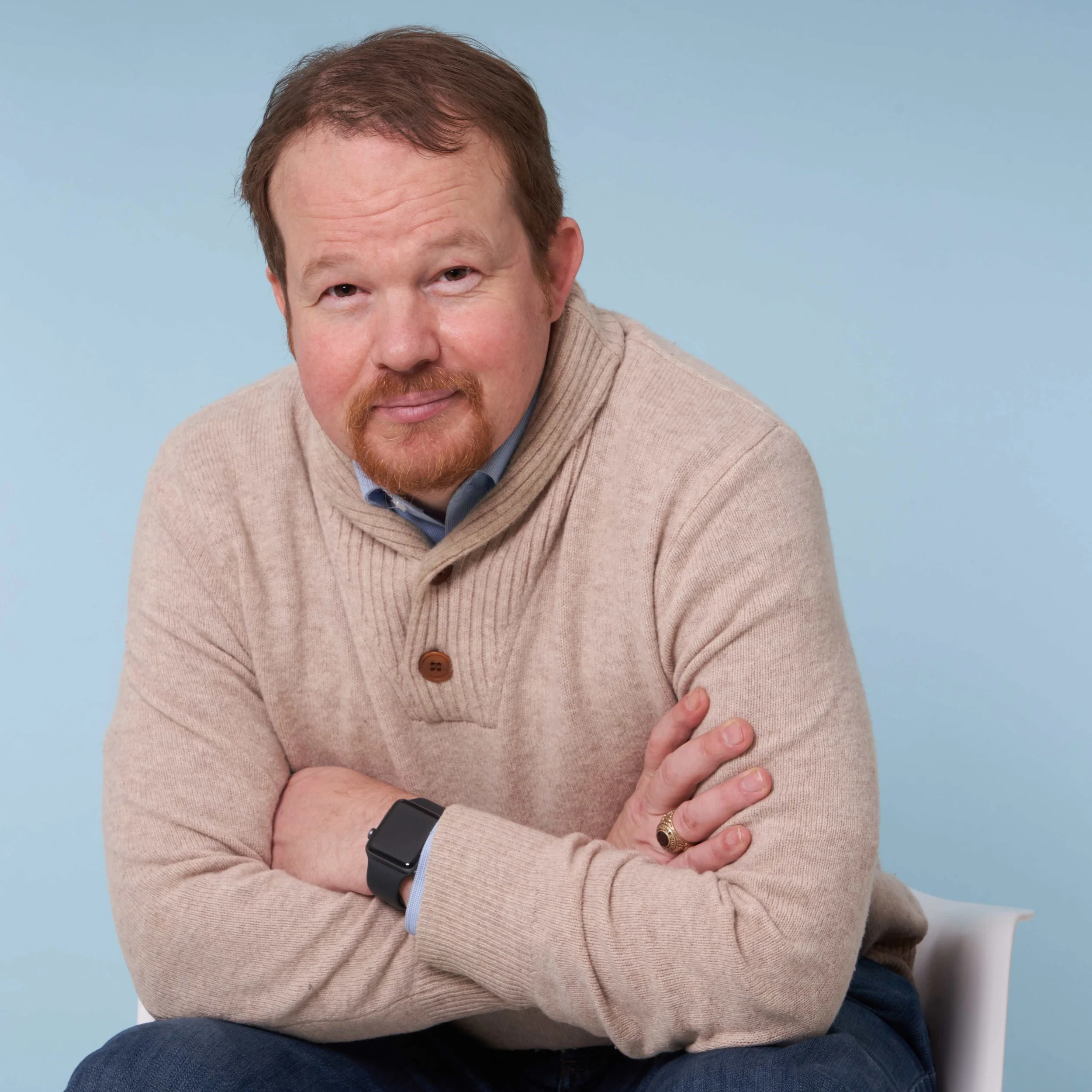
Dr. Waitman Wade Beorn is an associate professor in History at Northumbria University in Newcastle-upon-Tyne, UK. Dr. Beorn was previously the Director of the Virginia Holocaust Museum in Richmond, VA and the inaugural Blumkin Professor of Holocaust and Genocide Studies at the University of Nebraska-Omaha. His first book, Marching Into Darkness: The Wehrmacht and the Holocaust in Belarus (Harvard University Press) Dr. Beorn is also the author of The Holocaust in Eastern Europe: At the Epicenter of the Final Solution (Bloomsbury Press, 2018) and has recently finished a book on the Janowska concentration camp outside of Lviv, Ukraine. That book Between the Wires: The Janowska Camp and the Holocaust in Lviv was released in August 2024 from Nebraska University Press. Between the Wires was recognised as a Finalist for the National Jewish Book Award in the United States.
Episode 128: Dogma and What People Get Right (and Wrong) about the Bible with Dr. Dan McClellan
This week Bible scholar and TikTok superstar Dr. Dan McClellan drops in to talk about Ken Smith's 1999 thought piece on Catholicism and Dan's new book, The Bible Says So: What We Get Right (and Wrong) about Scripture's Most Controversial Issues.
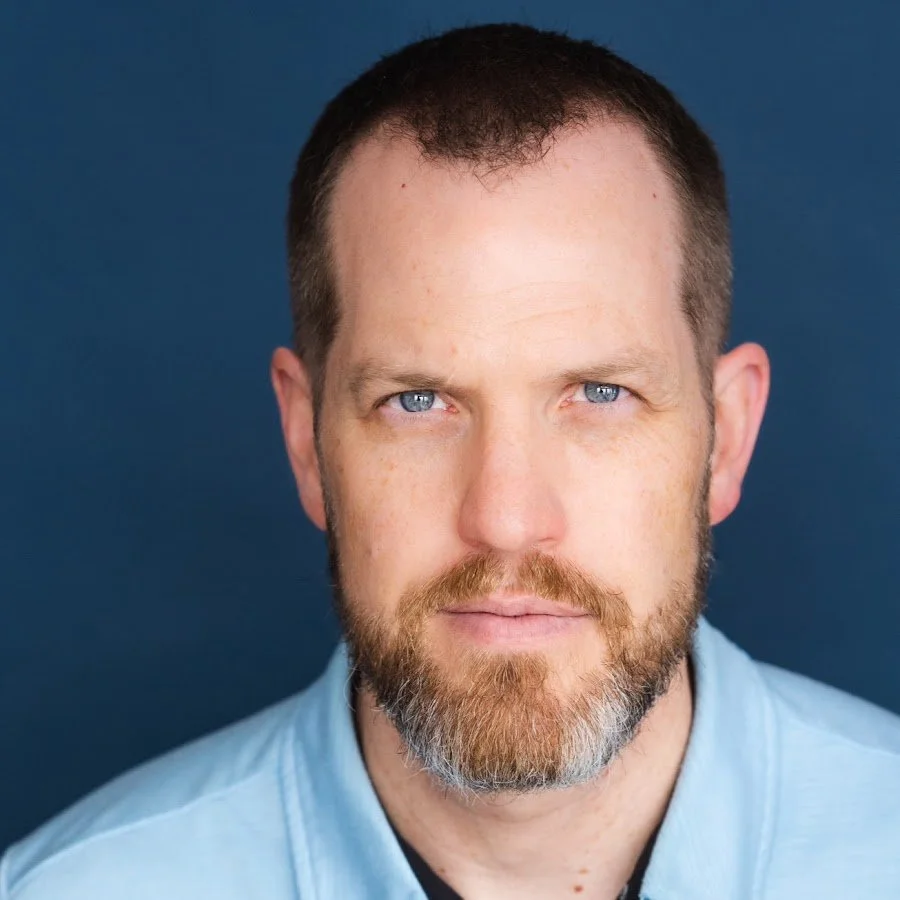
Dan McClellan is a scholar of the Bible and religion from the United States who shares his perspective on religious topics on social media.
Reckoning: Making Sense of Slavery with Dr. Scott Spillman
Today Dr. Scott Spillman joins in to talk about how historians have conceptualized slavery and its role in the development of the United States. Get ready for a history of the history of slavery.
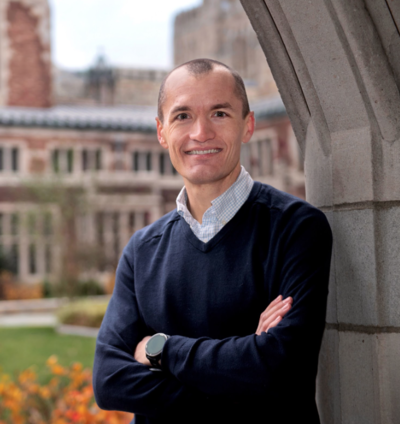
Scott Spillman is an American historian and the author of the book Making Sense of Slavery: America’s Long Reckoning, from the Founding Era to Today (2025). His essays and reviews have appeared in The Point, Liberties, The New Yorker, The New Republic, n+1, the Chronicle Review, and the Los Angeles Review of Books, and he has published academic articles in Reviews in American History, History of Education Quarterly, and North Carolina Historical Review.
Scott has a PhD in history from Stanford University, and before that he studied history, English, and political philosophy at the University of North Carolina (and Duke University) as a Robertson Scholar. Originally from Atlanta, he now lives in Denver with his partner and their twin daughters. He also spends part of his time in Leadville, where he serves as chair of the city’s historic preservation commission. When he is not reading and writing, he enjoys running in the mountains.
Episode 127: Is Sinners the Best Film of the 21st Century with Dr. Zandria Robinson
Today Dr. Zandria Robinson drops in to talk about Sinners and why it might be the best movie of the 21st century. We have a spoiler free introduction, a pause, and then a spoiler filled conversation about the Jim Crow South, the Great Migration, WWI, Chicago, Mississippi, the Ku Klux Klan, sex, music, and of course THAT SCENE. This conversation is almost as amazing as this film. Share it widely.

Dr. Zandria F. Robinson is a writer and ethnographer working on race, gender, sound, and spirit at the crossroads of the living and the dead. A native Memphian and classically-trained violinist, Robinson earned the Bachelor of Arts in Literature and African American Studies and the Master of Arts in Sociology from the University of Memphis and the Doctor of Philosophy in Sociology from Northwestern University. Dr. Robinson’s first book, This Ain’t Chicago: Race, Class, and Regional Identity in the Post-Soul South (University of North Carolina Press, 2014) won the Eduardo Bonilla-Silva Outstanding Book Award from the Division of Racial and Ethnic Minorities of the Society for the Study of Social Problems. Her second monograph, Chocolate Cities: The Black Map of American Life (University of California Press, 2018), co-authored with long-time collaborator Marcus Anthony Hunter (UCLA), won the 2018 CHOICE Award for Outstanding Academic Title and the Robert E. Park Book Award from the Community and Urban Sociology Section of the American Sociological Association.
Robinson is currently at work on an ancestral memoir, Surely You'll Begin the World (Farrar, Straus, & Giroux), a life-affirming exploration of grief, afterlife connections, and how deep listening to the stories of the dead can inform how we move through the world after experiencing loss. Her 2016 memoir essay, “Listening for the Country,” was nominated for a National Magazine Award for Essay.
Dr. Robinson’s teaching interests include Black feminist theory, Black popular culture, memoir, urban sociology, and Afro-futurism. She is Past President of the Association of Black Sociologists, a member of the editorial board of Southern Cultures, and a contributing editor at Oxford American. Her work has appeared in Issues in Race and Society, The New Encyclopedia of Southern Culture, the Annual Review of Sociology (with Marcus Anthony Hunter), Contexts, Rolling Stone, Scalawag, Hyperallergic, Believer, Oxford American, NPR, Glamour, MLK50.com and The New York Times Magazine.
Reckoning: Pope Francis and the History of the Papacy with Dr. Matthew Gabriele
News broke yesterday of Pope Francis' death at the age of 88. Matt Gabriele joins in to talk about the man, the history of the papacy, and what comes next.
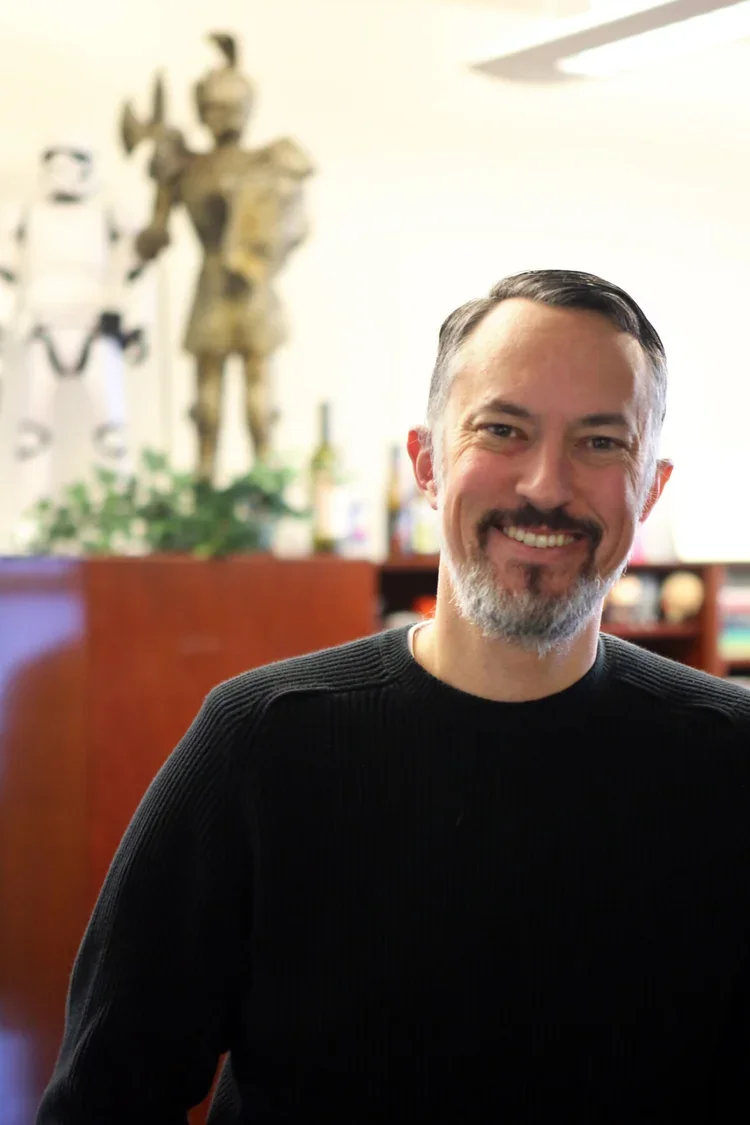
Matthew Gabriele is a professor of medieval studies in the Department of Religion and Culture at Virginia Tech. His research and teaching generally explore religion, violence, nostalgia, and apocalypse, whether manifested in the Middle Ages or the modern world. This includes events and ideas such as the Crusades, the so-called “Terrors of the Year 1000,” and medieval religious and political life. He has also presented and published on modern medievalism, such as recent white supremacist appropriations of the Middle Ages and pop culture phenomena like Game of Thrones and the video game Dragon Age.
Gabriele has published numerous academic articles and several books, including An Empire of Memory: The Legend of Charlemagne, the Franks, and Jerusalem before the First Crusade, which received the Southeastern Medieval Association’s Best First Book in 2013. He has also presented at dozens of national and international conferences and has given invited talks at Harvard, Princeton, Georgetown, the University of California-Berkeley, the University of Wisconsin-Madison, the University of Virginia, the University of Tennessee-Knoxville, and Westfälische Wilhelms Üniversität-Münster.
Gabriele is a regular contributor to Forbes.com; his public writing has appeared in such places as The Washington Post, The Guardian, The Daily Beast, Slate, and The Roanoke Times; and interviews with him have aired locally, nationally, and internationally. He completed a bachelor’s degree in history at the University of Delaware and a master’s degree and a doctorate in medieval history at the University of California, Berkeley.
Reckoning: The Search for Extraterrestrial Life with Dr. Mario Livio and Dr. Jack Szostak
Today astrophysicist Dr. Mario Livio and Nobel-winning chemist Dr. Jack Szostak drop in to talk about the search for extraterrestrial life.

Dr. Mario Livio is an internationally known astrophysicist, best-selling author, and popular speaker. He is a Fellow of the American Association for the Advancement of Science. Dr. Livio has published more than 500 scientific articles. He has made significant theoretical contributions to topics ranging from cosmology, supernova explosions, and black holes to extrasolar planets and the emergence of life in the universe. He has received numerous awards and recognitions for his research, including having been selected as the “Carnegie Centenary Professor” by the universities of Scotland in 2003, and as the “Danz Distinguished Lecturer” by the University of Washington in 2006.
Dr. Livio is also the author of eight popular science books, the most recent in collaboration with Nobel laureate Jack Szostak. His bestselling book The Golden Ratio won him the Peano Prize in 2003 and the International Pythagoras Prize in 2004, as the best popular book on mathematics. His book Is God A Mathematician? inspired the NOVA program “The Great Math Mystery,” which was nominated for an EMMY in 2016. His book Brilliant Blunders was selected by The Washington Post as one of the Notable Books of 2013. His book Galileo and the Science Deniers appeared in May 2020, and was one of the finalists for the Phi Beta Kappa Award in Science.
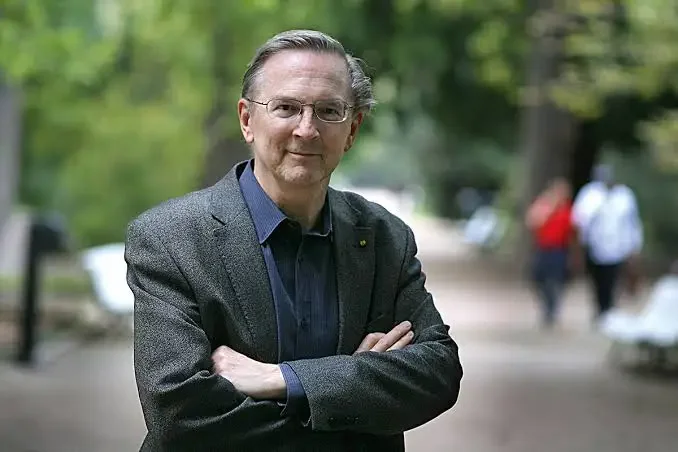
Dr. Jack Szostak is a biologist, Nobel Prize laureate, university professor at the University of Chicago, former professor of genetics at Harvard Medical School, and Alexander Rich Distinguished Investigator at Massachusetts General Hospital, Boston. Szostak has made significant contributions to the field of genetics. His achievement helped scientists to map the location of genes in mammals and to develop techniques for manipulating genes. His research findings in this area are also instrumental to the Human Genome Project. He was awarded the 2009 Nobel Prize for Physiology or Medicine, along with Elizabeth Blackburn and Carol W. Greider, for the discovery of how chromosomes are protected by telomeres.
Reckoning : Gun Violence in America with Sasha Abramsky and Dr. Cari Babitzke
We're a couple days removed from yet another on campus shooting. Sasha, Cari, and I ask what the hell is wrong with America and how did we get here.
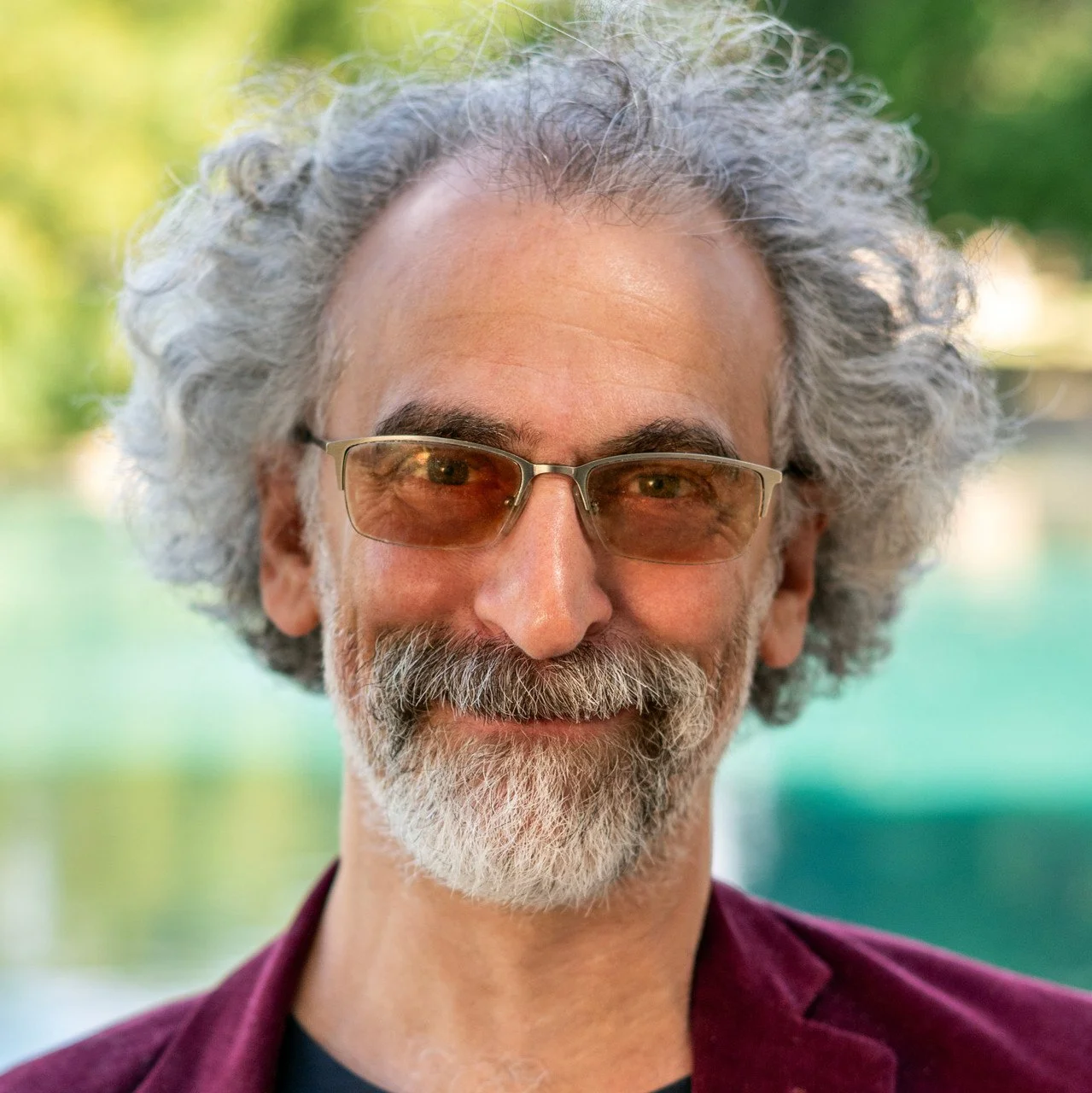
Sasha Abramsky is The Nation's Western correspondent. He is the author of several books, including The American Way of Poverty, The House of Twenty Thousand Books, Little Wonder: The Fabulous Story of Lottie Dod, the World's First Female Sports Superstar, and most recently Chaos Comes Calling: The Battle Against the Far-Right Takeover of Small-Town America. Follow him on Bluesky at @sashaabramsky.bsky.social.
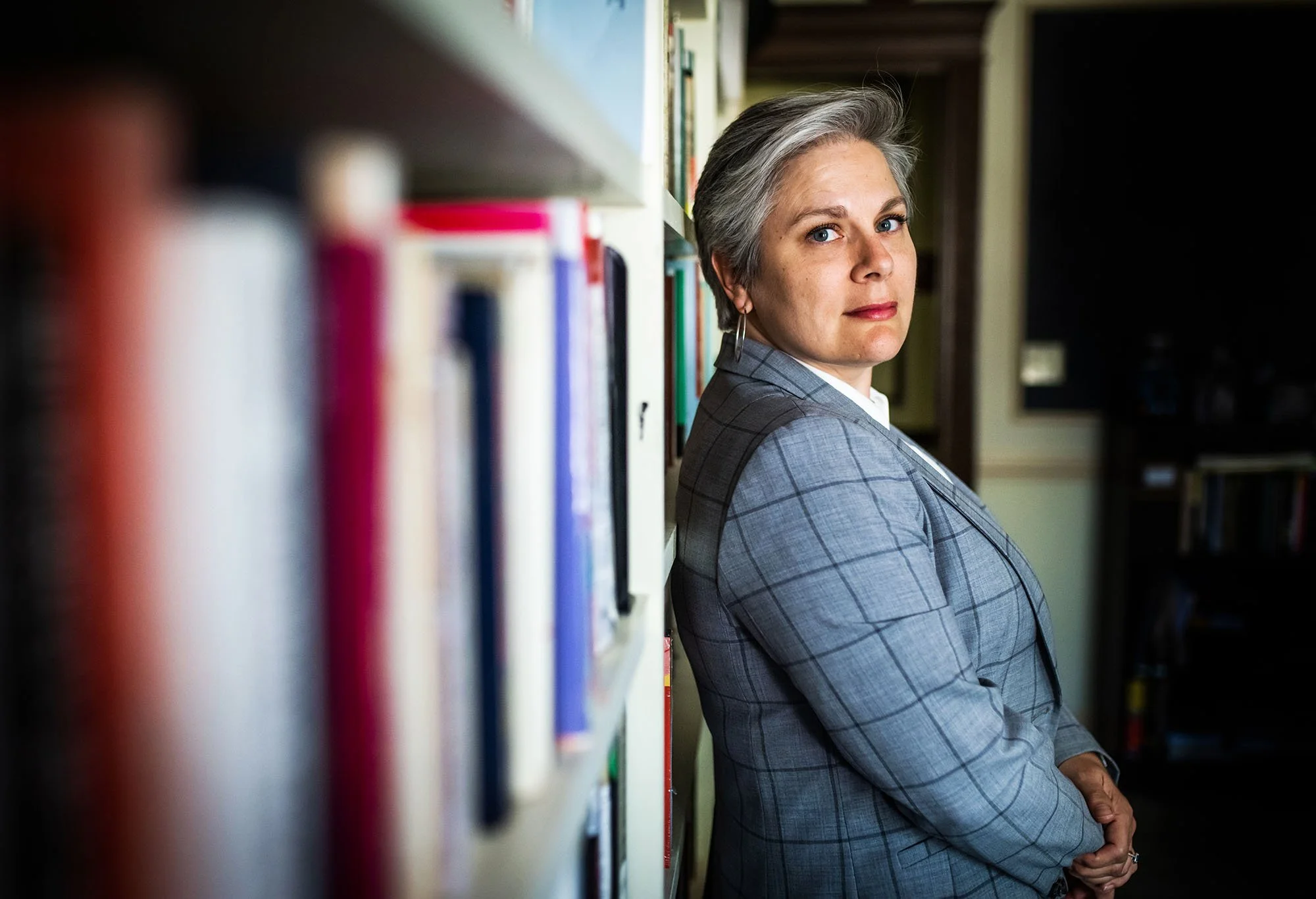
Dr. Cari Babitzke is a historian focusing on gun politics in the latter half of the 20th century.
Episode 126: Hunger, Bobby Sands, Irish Nationalism, and the Good Friday Agreement with John M. Burney and Andrew Auge
Talking about Bobby Sands, the Troubles, the Irish Republican Army, and the Good Friday Agreement with John M. Burney and Andrew J. Auge.
Reckoning: The Far Right's Takeover of Small Town America with Sasha Abramsky
Today Sasha Abramsky joins in for the first time to talk about why small towns are so susceptible to far right rhetoric and if there is hope for the future.
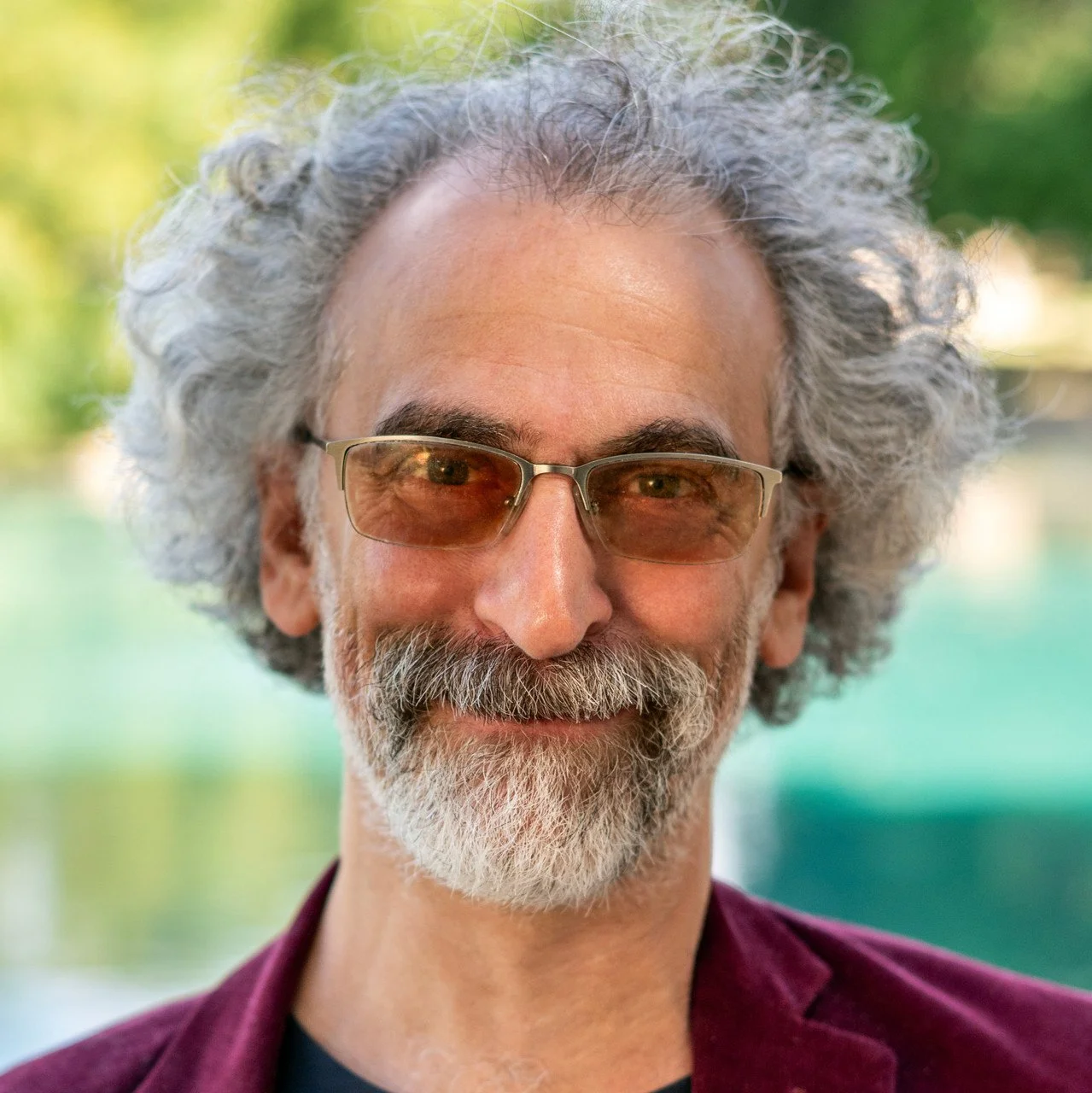
Sasha Abramsky is The Nation's Western correspondent. He is the author of several books, including The American Way of Poverty, The House of Twenty Thousand Books, Little Wonder: The Fabulous Story of Lottie Dod, the World's First Female Sports Superstar, and most recently Chaos Comes Calling: The Battle Against the Far-Right Takeover of Small-Town America. Follow him on Bluesky at @sashaabramsky.bsky.social.
Episode 125: Indiana Jones and the Temple of Doom with Dr. Kate Sheppard, Dr. Julia Troche, and Leah Packard-Grams
The gang is back together as we return to Indiana Jones franchise to talk about archaeology, British imperialism, representation of India on film, and why Harrison Ford never looked cooler than he did on the bridge.
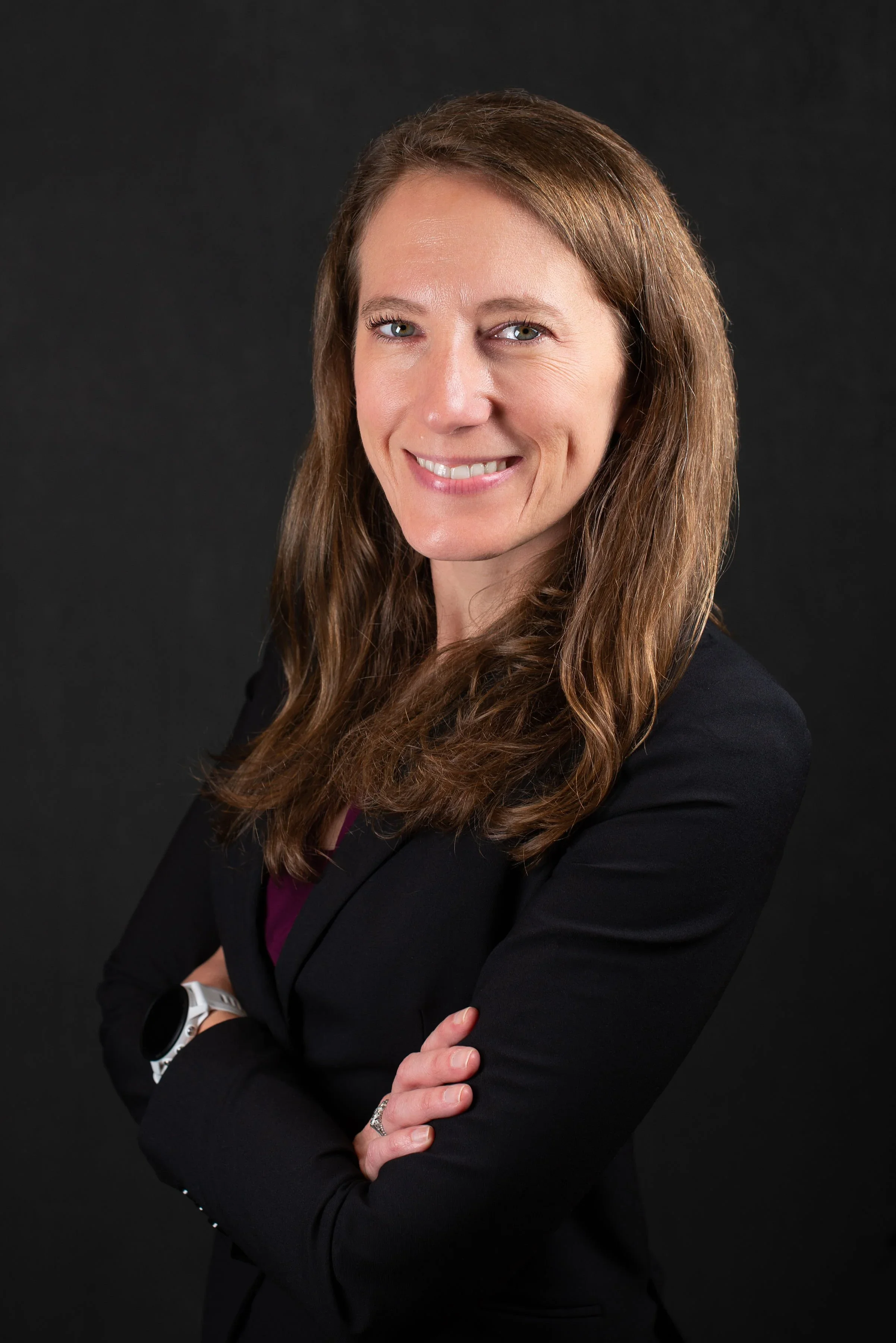
Dr. Kathleen Sheppard earned her PhD in History of Science from the University of Oklahoma in 2010. After a post-doctoral teaching fellowship at the American University in Cairo, she arrived at Missouri S&T in the fall of 2011. She teaches mainly survey courses on modern Western Civilizations, which is arguably one of the most important courses students in 21st century America can take. Her main focus is on the history of science from the ancient Near East to present day Europe, United States, and Latin America. She has taught courses on the history of European science and Latin American science, as well as a seminar on women in the history of science.
Sheppard’s research focuses on 19th and 20th century Egyptology and women in the field. Her first book was a scientific biography of Margaret Alice Murray, the first woman to become a university-trained Egyptologist in Britain (Lexington, 2013). Murray’s career spanned 70 years and over 40 publications. Sheppard is also the editor of a collection of letters between Caroline Ransom Williams, the first university-trained American Egyptologist, and James Breasted from the University of Chicago (Archaeopress, 2018). Sheppard’s monograph, Tea on the Terrace, is about hotels in Egypt as sites of knowledge creation in Egyptology during the discipline’s “Golden Age,” around 1880 to 1930.
Women in the Valley of the Kings: The Untold Story of Women Egyptologists in the Gilded Age was published in July 2024. It has been reviewed in the New York Times, the Wall Street Journal, and was a top 6 Reader’s Choice non-fiction book on Goodreads.
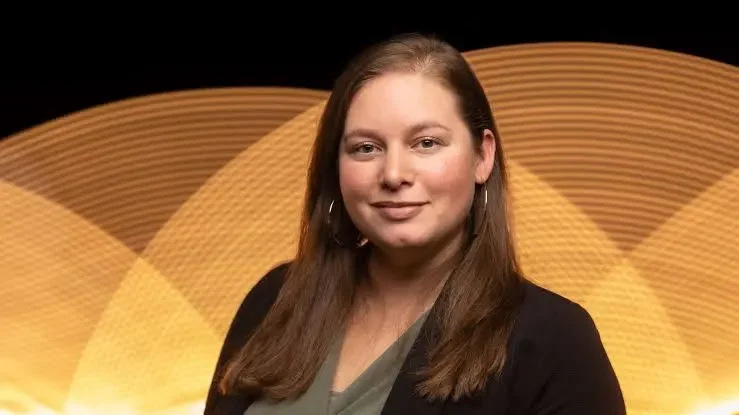
Dr. Julia Troche is and Egyptologist and Associate Professor of History. In 2022 she was awarded her university's highest teaching award followed by the Missouri Governor's Award for Education Excellence. She is committed to advocating for students, early career scholars, and contingent faculty, and fostering inclusive spaces for learning about the ancient world. She is dedicated to the university Public Affairs mission, evinced by her numerous Service-Learning courses, public lectures, and community engagements, such as co-curating with Bryan Brinkman and student input an exhibition of antiquities at the Springfield Art Museum (Ancient Artifacts Abroad, spring 2024).
Julia's areas of instruction and research include social history, religion, archaeology, digital humanities, and reception studies of antiquity. Julia received her PhD from Brown University's Department of in Egyptology & Assyriology in 2015, and her BA in History from UCLA in 2008. She serves as Committee Chair (2024-2027) for her field’s annual, international conference (the American Research Center in Egypt Annual Meeting) and as co-chair (2023-2026) for the Archaeology of Egypt sessions at the Annual Meeting of the American Society of Overseas Research.
Julia is an active member of her field, sitting on numerous international, national, and regional Boards and committees. Since 2022, she is a membership-elected Governor on the American Research Center in Egypt’s Board of Governors (a 501c3 non-profit, cultural institution in Egypt; www.arce.org). She co-founded both the ARCE, Missouri Chapter (Past President and Vice President, current Director focusing on Finance) and the annual Missouri Egyptological Symposium. She attended the HERS Leadership Institute in 2024 for women leaders in higher education (hersnetwork.org). She has served her campus community since arriving here in 2017 as a Bear Bridge mentor (2023, Outstanding Bear Bridge Faculty Mentor award), Safe-Zone Faculty Advisor, Advisor for the Ancient Worlds Club, Co-Advisor for History Club, and supporting her department through extensive service, including—at various times—chairing Undergraduate Committee and Personnel Committee, sitting on about three-dozen MA committees, serving on five search committees (chairing two), and serving as a past Faculty Senate and College Council department representative.
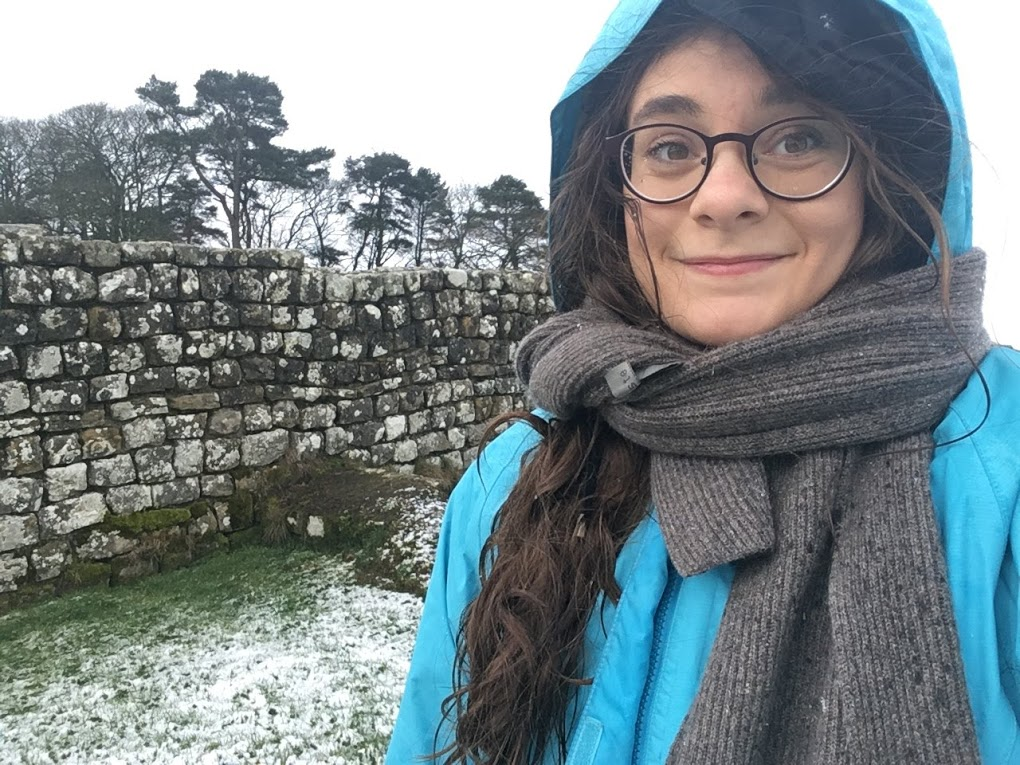
Leah Packard-Grams is a doctoral candidate at the University of California-Berkeley. As an interdisciplinary scholar, she is both a papyrologist and an archaeologist! She excavates at two sites in Egypt (NYU's Amheida excavations and UC Berkeley's el Hibeh excavations), and she works regularly with the archives and collections in the Hearst Museum at UC Berkeley. Her primary interests include Greek and Demotic papyrology, the archaeology of Greco-Roman Egypt, and the materiality of ancient textual artifacts. Sheis passionate about diversifying the fields of Egyptology and Archaeology to include those accounts of people who have been historically oppressed.
Reckoning: Exploring the Origins of the Universe with Dr. Matt Strassler
Physicist Matt Strassler drops in to talk about the origins of the universe and how we how what we know.
Dr. Matt Strassler is a theoretical physicist and writer. His research over the past thirty years has mainly been related mainly to the Large Hadron Collider, though he has written many papers on a wide variety of topics in string theory, quantum field theory and particle physics. He has recently completed a new book, called “Waves in an Impossible Sea“, in which, without assuming readers know any science or math, he explains modern physics and its centrality in human experience.
Episode 124: Don’t You Forget About Me: The Breakfast Club and Brat Pack America with Kevin Smokler
This week Kevin Smokler drops in to talk about The Breakfast Club, the Brat Pack, John Hughes, and the legacy of 80s teen movies.
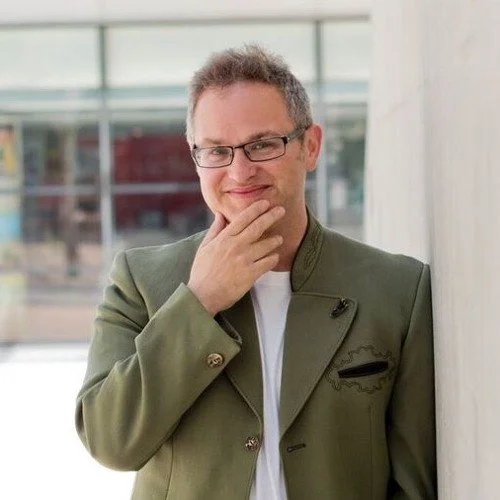
Kevin Smokler is a writer, documentary filmmaker and event host focused on our relationship as human beings with pop culture. His most recent book BREAK THE FRAME: CONVERSATIONS WITH WOMEN FILMMAKERS contains 24 career-retrospective conversations with directors behind box office phenomenon like Captain Marvel, Oscar winners like Free Solo and the filmmakers who launched actors such as America Ferrera, Paul Rudd, Ryan Gosling and Jennifer Lawrence. His previous books, BRAT PACK AMERICA is a love letter to teen movies of the 1980s. His 2013 essay collection PRACTICAL CLASSICS is a 50 book attempt to reread one’s high school reading list as an adult.
Reckoning: How the Science of Autism Has Failed Women and Girls with Dr. Gina Rippon
April 1 marks the beginning of Autism Awareness Month in the U.S. and the U.K. so I invited neuroscientist Dr. Gina Rippon on the pod to talk about what autism is, the history of its diagnosis, and how women and girls have been overlooked in autism research.

Professor Gina Rippon is Professor Emeritus of Cognitive NeuroImaging at Aston University in the UK. Her research involves the use of state-of-the-art brain imaging techniques to investigate developmental disorders such as autism, profiling different patterns of brain activity in autistic children and adults.
Her current research explores the under-recognition of autism in women and girls, especially in neuroscience research. Her new book on this topic: The Lost Girls of Autism (UK)/Off the Spectrum (US) is released in April 2025.
Reckoning: What Is the Point of All of This?
Talking today about why we have to keep fighting and why we must move forward. Because it's not about us.
Reckoning: Before We Were Trans: A New History of Gender with Dr. Kit Heyam
This week Dr. Kit Heyem visits from across the Pond to talk about their new book, Before We Were Trans: A New History of Gender. This was an awesome conversation to talk nonbinary histories through time and why that is relevant today.
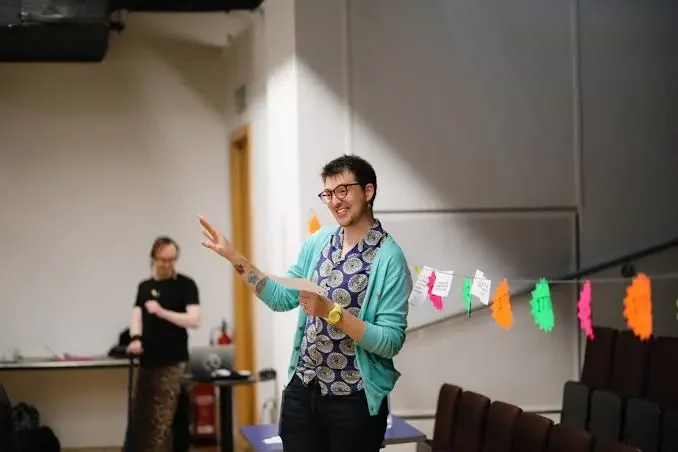
Dr Kit Heyam (they/them or he/him) is a Leeds-based freelance writer, heritage practitioner, trans awareness trainer and academic.
Episode 123: Deep Cover with Dr. Walter Greason and Tim Fielder
In 1992 Bill Duke teamed up with Laurence Fishburne and Jeff Goldblum to create one of the best film noirs ever made and a masterpiece of Black cinema. Walter Greason and Tim Fielder join in to talk about it, the rise of hip hop, and the early 90s.
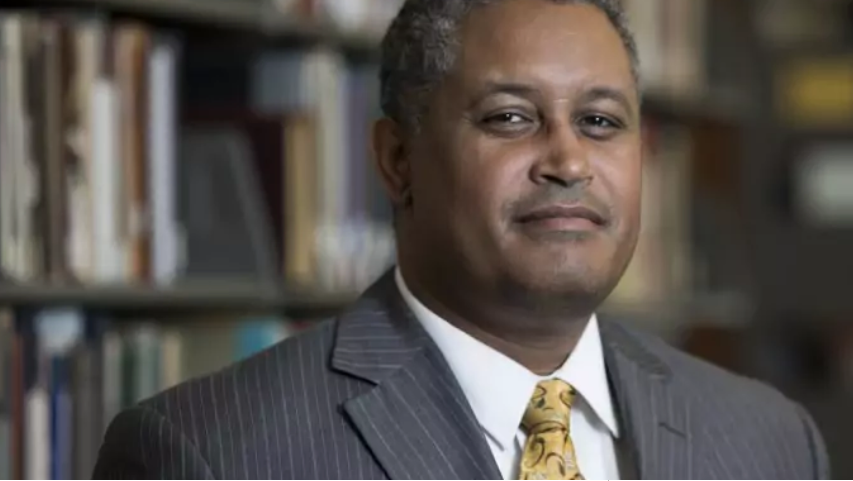
Walter Greason is the founding scholar and historian of Afrofuturist Design. He is an author, editor, and contributor to more than twenty books, mostly notably the award-winning books Suburban Erasure, Illmatic Consequences, The Black Reparations Project, and The Graphic History of Hip Hop. His work on the Timothy Thomas Fortune Cultural Center has garnered international acclaim for the innovative use of digital technology, leading to multiple urban revitalization projects in Minnesota, Florida, New Jersey, and Louisiana. He appeared on dozens of mass media outlets in the United States and around the world.
He was a Future Faculty Fellow at Temple University where he completed his Ph.D. in History and contributed to President William J. Clinton’s National Dialogue on Race. As a Presidential Scholar at Villanova University where he studied History, English, Philosophy, Peace and Justice Studies, and Africana Studies, he organized a social justice campaign that established the first Strategic Plan for Cultural Diversity in American history. The principles of the plan were adopted by the Board of Trustees in 2006 and led to a massive capital expansion of the university, culminating in the Vatican’s election of Pope Leo XIV in 2025.
His most recent project, The Graphic History of Hip Hop, with Afrofuturist illustrator Tim Fielder, has been featured at the United Nations, the Smithsonian Institution’s National Museum for African American History and Culture, the Metropolitan Museum of Art in New York City, the Schomburg Center in the New York Public Library system, and San Diego Comic-Con in 2024.
He is the Wallace Endowed Chair of History in the Department of History at Macalester College in Saint Paul, Minnesota, and holds research affiliate positions with Brandeis University’s Institute for Economic and Racial Equity, Rutgers University’s Institute for the Study of Global Racial Justice, the Center for New American History at the University of Richmond, and the University of Minnesota’s College of Design.
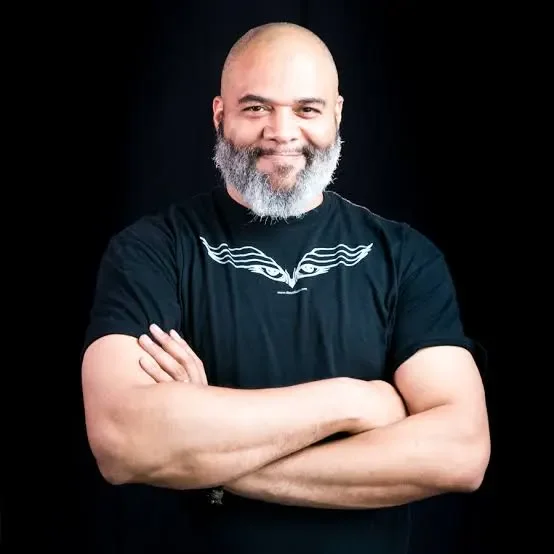
Tim Fielder is an Illustrator, concept designer, cartoonist, and animator born in Tupelo, Mississippi, and raised in Clarksdale, Mississippi. He has a lifelong love of Visual Afrofutuism, Pulp entertainment, and action films. He holds other Afrofuturists such as Samuel R Delany, Octavia Butler, Pedro Bell, and Overton Lloyd as major influences.
Reckoning: "The Most Dangerous Man in the World" with Dr. Emily Herring
In the early 20th century, the New York Times dubbed French philosopher Henri Bergson as "the most dangerous man in the world." Bergson scared a lot of people in how he brought philosophy to the masses but he also won critical acclaim, receiving the Nobel Prize in Literature and France's highest honor, the Grand-Croix de la Legion d'honneur. Surprisingly, no English language biography exists of him. Until now. This week, Dr. Emily Herring joins in to talk about Bergson's rise to fame, his influence on 20th century thought, and the mysteries behind why he died in relative obscurity.
Dr. Emily Herring received her PhD from the University of Leeds and is now working as a freelance writer and editor. She is the author of the first biography of Henri Bergson in English, Herald of a Restless World. How Henri Bergson Brought Philosophy to the People (2024 Basic Books).
Episode 122: John Wick in Ireland: Black '47 and a New History of the Irish Famine with Dr. Padraic Scanlan
Imagine John Wick. Only instead of losing his puppy, he's lost his entire family because the British let them freeze to death. And imagine now that they're all in Ireland and it's the middle of the Famine. Ladies and Gentlemen, I give you Black '47. Joining us to talk about this film and the misconceptions around the Irish Potato Famine is Padraic Scanlan, author of the new book Rot: An Imperial History of the Irish Famine. This movie is bonkers and actually has a lot to say on Irish history. And this conversation won't leave you hungry.
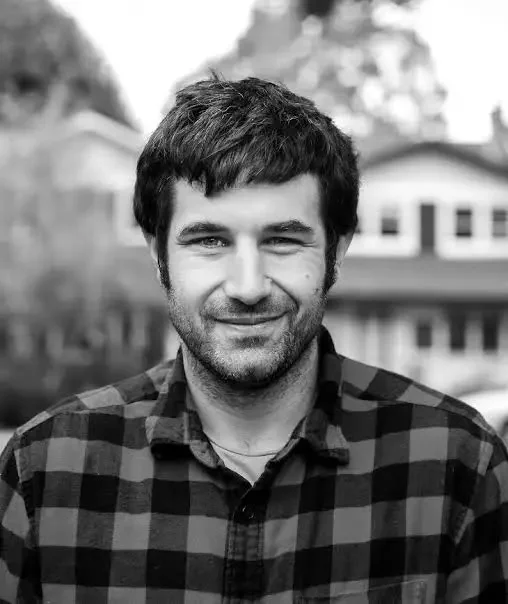
Padraic Scanlan is an Associate Professor at the Centre for Industrial Relations and Human Resources, cross-appointed to the Centre for Diaspora & Transnational Studies. He is also a Research Associate at the Center for History and Economics at Harvard University and the University of Cambridge, and a Fellow of St. Michael's College.
His research focuses on the history of labour, enslaved and free, in Britain and the British empire during the eighteenth and nineteenth centuries. He is currently in the early stages of research on a new project, on the transformation of the line between ‘home’ and ‘work’ in the industrial era.
His most recent book, Rot: An Imperial History of the Irish Famine, out now from Robinson Books and Basic Books, reinterprets the history of the Irish Great Famine (1845-1851). In the first half of the nineteenth century, nowhere in Europe – or the world – did the working poor depend as completely on potatoes as in Ireland. To many British observers, potatoes were evidence of a lack of modernity and ‘civilization’ among the Irish. Ireland before the Famine, however, more closely resembled capitalism’s future than its past. Irish labourers were paid some of the lowest wages in the British empire, and relied on the abundance of the potato to survive. He shows how the staggering inequality, pervasive debt, outrageous rent-gouging, precarious employment, and vulnerability to changes in commodity prices that torment so many in the twenty-first century were rehearsed in the Irish countryside before the potatoes failed.