Episode 74: Inside Out with Dr. Agnes Arnold-Forster
This week Agnes Arnold-Forster jumps in to talk about the emotional roller coaster that is Pixar's Inside Out. We talk about how historians have conceptualized emotions, their role in the human experience, and Agnes' new book which charts the history of nostalgia. This is such a cool pod because we go places we rarely get to visit. I hope you dig it.

Agnes Arnold-Forster is a writer; researcher; and historian. She has written, researched, and presented on everything from women's health in today's Britain to the history of cancer; from the 1918 flu pandemic to the well-being of surgeons in twenty-first-century America. She is an expert in the history of Europe, the USA, and Canada, and my research spans the eighteenth century to the present day. She explores societies, cultures, medicine, science, technology, emotions, and the world of work. She is currently writing a book about the history of nostalgia, due to be published by Picador in April 2024.
Episode 73: Gidget and the Rise of California Beach Culture with Dr. Elsa Devienne
This week Elsa Devienne drops in to talk about Gidget and the history and transformation of the California beach. We get into the fascination with the US and the environment, as well as the influence of Hawaii on California beach culture. We also jump into issues of body image, gender dynamics, and queer representation in beach movies and the global trasnformation of surf culture post Gidget. This is a fun talk.
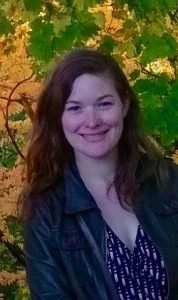
Elsa Devienne joined Northumbria University in 2019, having previously taught at Princeton University, Université Paris Nanterre, and the Ecole des Hautes Etudes en Sciences Sociales. Her research lies at the intersection of urban history, environmental history, and the history of gender, body, and sexuality, with a focus on the 20th century. She is particularly interested in the history of Americans’ intense engagement with their coastlines, from the 19th-century beach-bathing boom until today’s climate crisis and its catastrophic consequences for coastal communities.
Her first book, La ruée vers le sable: une histoire environnementale des plages de Los Angeles (Sorbonne Editions, 2020), won the 2021 Willi Paul Adams Award awarded by the Organization of American Historians for the best book on American history published in a language other than English. A translated and updated version with a new epilogue is coming out with Oxford University Press in 2024 under the title Sand Rush: The Revival of the Beach in Twentieth-Century Los Angeles. She is also the author of several articles published in academic journals in the US and Europe, including in The Journal of Urban History, The European Journal of American Studies, California History, Vingtième Siècle. Revue d'histoire and Actes de la recherche en sciences sociales.
Episode 72: Robocop and Guns in America with Dr. Drew McKevitt
This week Drew McKevitt returns to talk about Robocop (1987). We get into depictions of Detroit as a failed city and of Robocop as both the commercial answer to the Terminator and maybe the antithesis of Dirty Harry. And we dive deep into Drew’s new book to talk about the rise of the gun culture in the United States. Hanging with Drew is always a blast- he’s one of the smartest and funniest historians you’re gonna meet.
Dr. Drew McKevitt is an associate professor of history at Louisiana Tech University. He recently published a book called Consuming Japan: Popular Culture and the Globalizing of 1980s America. His new book is Gun Country: Gun Capitalism, Culture, and Control in Cold War America. His next project examines U.S. workers in foreign-owned manufacturing facilities in the United States since the 1970s.
Episode 71: A Knight’s Tale with Thomas Lecaque, John Wyatt Greenlee, and Anna Waymack
This week the pod welcomes back Thomas Lecaque and John Wyatt Greenlee along with #HATM newcomer Anna Waymack to talk about maybe the best medieval movie ever made: A Knight's Tale. We talk Chaucer, romance, Heath Ledger, the Black Prince, and that fucking soundtrack. Let's go.
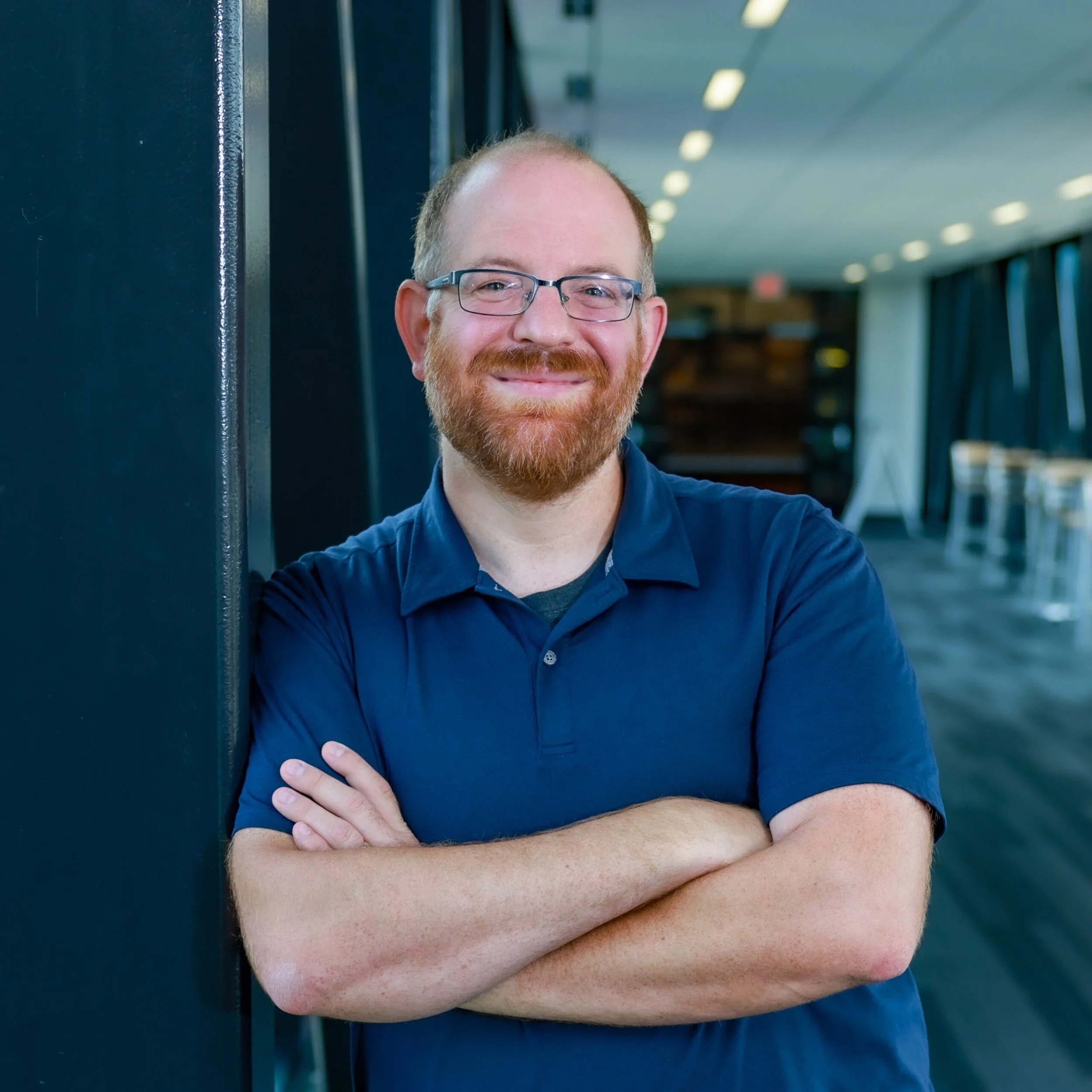
Thomas Lecaque is an associate professor of History at Grand View University in Des Moines, Iowa. He specializes in the nexus of apocalyptic religion and political violence. He has written for the Washington Post, Religion Dispatches, Foreign Policy and The Bulwark, among others.
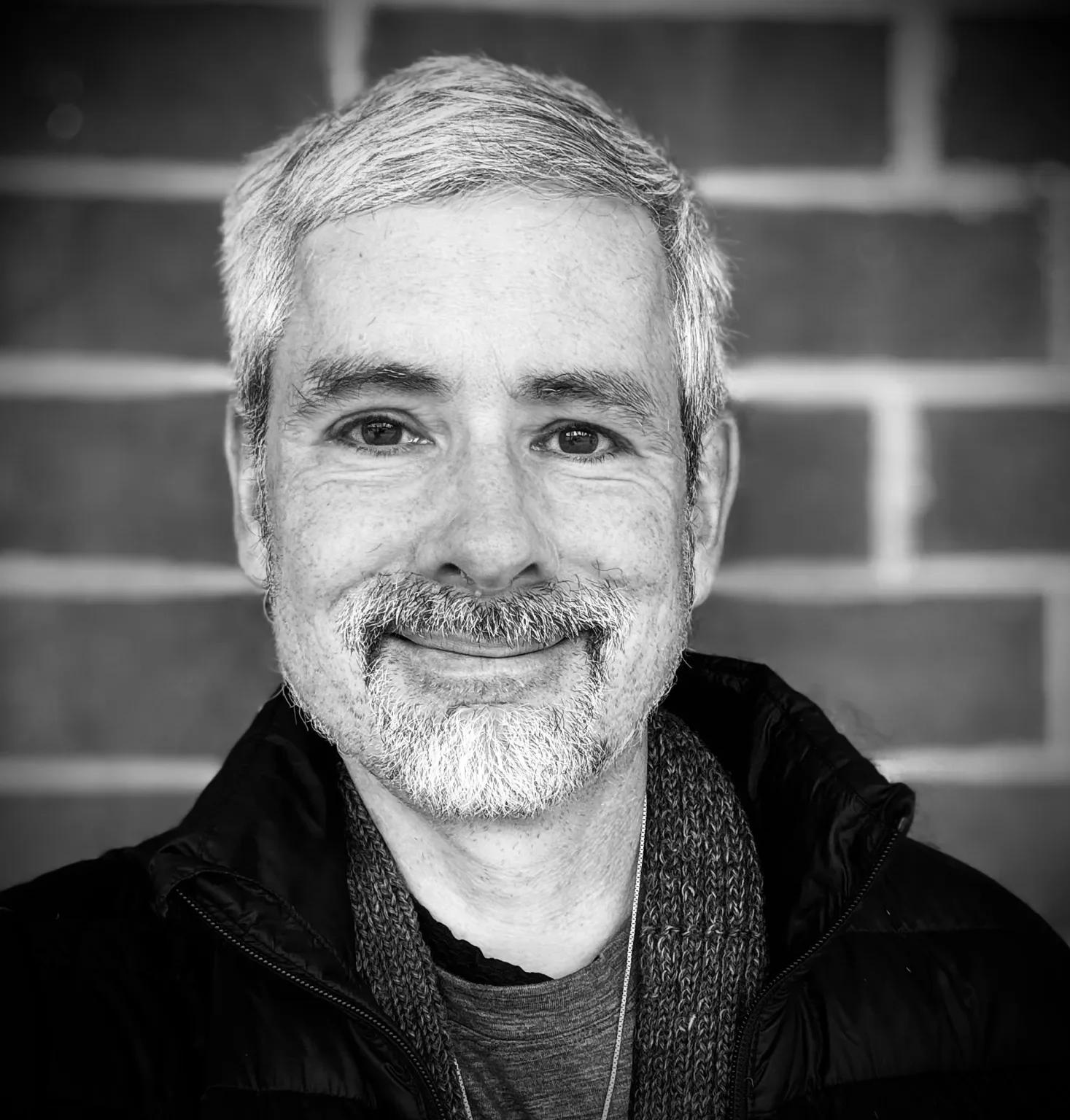
John Wyatt Greenlee is a medievalist and a cartographic historian.His academic research is primarily driven by questions of how people perceive and reproduce their spaces: how movement through the world — both experiential and imagined — becomes codified in visual and written maps.

Anna Waymack, is a Ph.D. candidate in Cornell's Medieval Studies Program, and was selected as a fellow in Olin Library's Summer Graduate Fellowship for Digital Humanities in 2016. As part of that fellowship, Anna developed digital humanities expertise and produced a public website focused on an aspect of her research, Geoffrey Chaucer and the charge of raptus brought forth by Cecily Chaumpaigne.
Episode 70: Munich with Dr. Jeffrey Melnick and Dr. Erik M. Baker
This week Jeff Melnick and Erik Baker jump in to talk about Steven Spielberg's Munich. We talk about the history behind the attacks in 1972, why they were relevant in 2005, and why they remain relevant today. And yes, we absolutely discuss the warfare and attempted genocide in Palestine today. This is a really important conversation and I hope that it helps to illustrate how movies can be part of historical dialogue. I learned a lot from these guys and I hope you will too.
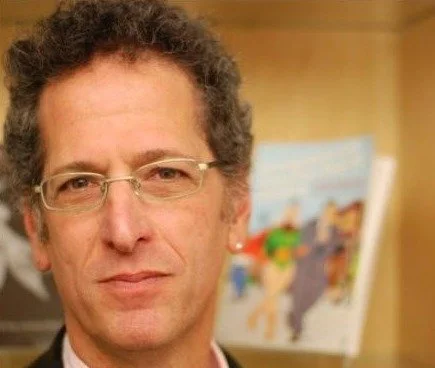
Jeffrey Melnick is a professor at University of Massachusetts Boston and the author of 9/11 Culture: America Under Construction (Wiley-Blackwell, 2009), Black-Jewish Relations on Trial (University Press of Mississippi, 2000), and A Right to Sing the Blues (Harvard University Press, 1999).

Dr. Erik M. Baker is currently a lecturer in the History of Science department at Harvard University and oversee the senior thesis program for undergraduates. He is also a senior editor at The Drift, where he has been involved since its inception. He earned his Ph.D. from Harvard in May 2022, and his dissertation won the 2023 Leo P. Ribuffo Prize from the Society for U.S. Intellectual History as well as the 2024 Forum for History of Human Science Biennial Dissertation Prize.
His research explores the culture of work in the modern United States. In his new book, Make Your Own Job: How the Entrepreneurial Work Ethic Exhausted America, he explores how social scientists and management intellectuals reshaped the American work ethic during the turbulence of twentieth-century U.S. capitalism. He has contributed articles on labor, politics, and American history to publications such as The New Yorker, Harper’s, n+1, The Nation, and more.
Episode 69: The Mambo Kings and the History of Cuban Music in America with Dr. Christina Abreu
This week Christina Abreu drops in to discuss Cuban-American history, Cuban music, and the representation of Cubans in film. We explore the origins and characteristics of Cuban music, as well as the migration of Cubans to the United States in the 1950s. We also discuss the relationship between Cuban-Americans and other Latino groups, as well as the integration and segregation within Cuban-American communities. This is a fun podcast and deep dive into Cuban American history. I hope you dig it.

Dr. Christina Abreu is associate professor of history and director of the Center for Latino/Latin American Studies at Northern Illinois University. Her research focuses on the role of race, nationalism, and migration in the Cuban and Spanish Caribbean diasporic communities of the United States with a particular emphasis on popular culture. Her first book, Rhythms of Race: Cuban Musicians and the Making of Cuban New York City and Miami, 1940-1960, examined the relationship between black and white Cuban musicians and the Cuban and broader Latinx communities of New York City and Miami in the 1940s and 1950s. In her second book, Patria over Profits: The Story of Afro-Cuban Boxing Champion Teófilo Stevenson, she offers a cultural history of the life and times of Afro-Cuban boxing champion Teófilo Stevenson, winner of three heavyweight boxing Olympic gold medals in 1972, 1976, and 1980. In detailing Stevenson’s triumphs in the ring, another more complex and interconnected story emerges about revolutionary Cuba and the island’s Afro-Caribbean connections, race and black athletic activism, Cuban exile culture and politics, and international sports celebrity. Patria over Profits is under contract with the Sport and Society series at the University of Illinois Press.
Episode 68: Smokey and the Bandit with Dr. Karen Cox
This week Karen L. Cox swings by to talk about the South, the 70s, and why Burt Reynolds was so damn cool. This is probably the first time you’ve heard Smokey and the Bandit on a history podcast, but that’s what we are here for. This one is fun.
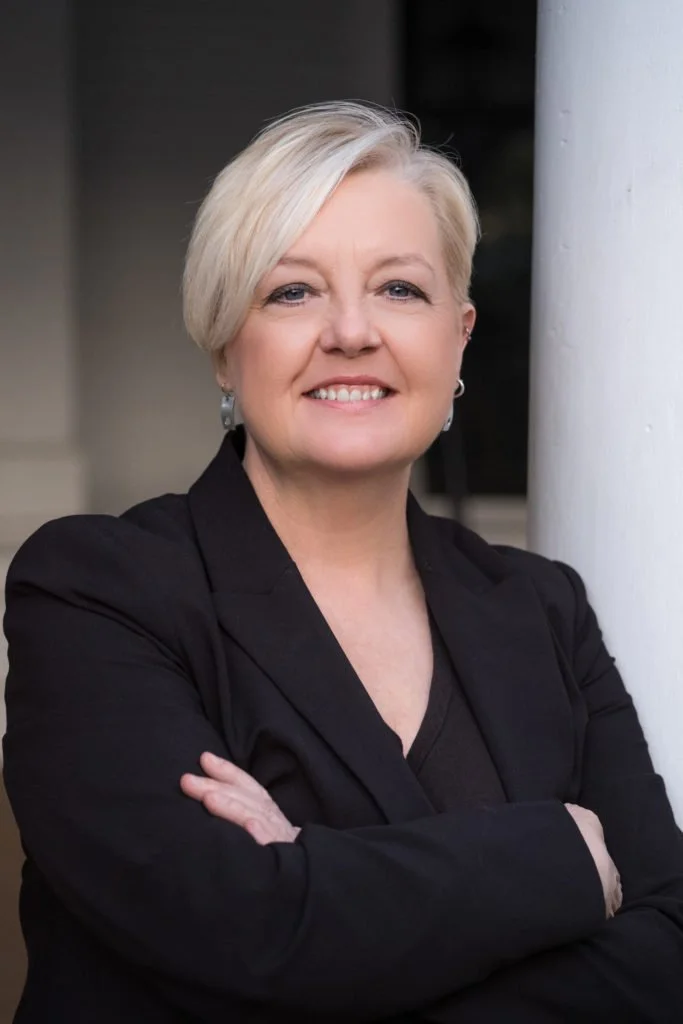
Dr. Karen L. Cox is Professor Emerita of History at the University of North Carolina at Charlotte and the founding director of the graduate public history program. During her tenure from 2002-2024, she offered a variety of courses in southern history and culture, as well as graduate electives in public history.
Dr. Cox received her BA and MA in history from the University of North Carolina at Greensboro, and her Ph.D. in 1997 from the University of Southern Mississippi. She is the author of four books, the editor or co-editor of two volumes of southern history, and she has written numerous essays and articles on the subject of southern history and culture. Her first book, Dixie’s Daughters: The United Daughters of the Confederacy and the Preservation of Confederate Culture, won the 2004 Julia Cherry Spruill Prize from the Southern Association for Women Historians for the Best Book in Southern Women’s History. Her second book, published by UNC Press in 2011, is Dreaming of Dixie: How the South Was Created in American Popular Culture. She is the editor of Destination Dixie: Tourism and Southern History (University Press of Florida, 2012), which won the 2013 Allen G. Noble Award for the best edited collection in North American material culture from the Pioneer America Society and the co-editor of Reassessing the 1930s South (LSU Press, 2018)Her latest book, entitled Goat Castle: A True Story of Murder, Race, and the Gothic South, was published by UNC Press in October 2017. Her most recent book, No Common Ground: Confederate Monuments and the Ongoing Fight for Racial Justice (UNC Press, 2021), examines the long history of Confederate monument from the end of the Civil War to the summer of 2020 following the George Floyd murder.
Dr. Cox has written op-eds for the New York Times, The Washington Post, CNN, TIME magazine, Publishers Weekly, and Smithsonian Magazine. Her expertise on the American South has led to interviews with the Los Angeles Times, Newsweek, The Daily Beast, Mic, The Atlantic, the Wall Street Journal, Slate (France), the Atlanta-Journal Constitution, the Houston Chronicle, and the Charlotte Observer, as well as international newspapers in Germany, Denmark, Ireland, and Japan. She has also appeared on CNN with Brooke Baldwin, MSNBC with Stephanie Ruhle, BBC Newshour, Indus News, Black Politics Today, The Mike Smerconish Show (Sirius XM), C-SPAN, Canadian Public Broadcasting, Minnesota Public Radio, Georgia Public Radio, and Charlotte Talks.
She frequently gives public talks to both community and academic audiences, and is an OAH Distinguished Lecturer.
Cox is originally from Huntington, West Virginia.
Episode 67: Dune Part 2 with Dr. Mary Hicks and Margari Hill
This week Mary Hicks and Margari Hill drop in to talk all things DUNE. We focus on Dune Part 2 but also talk about the historical influences on Frank Herbert as he wrote Dune, along with how Dune influenced the science fiction and fantasy that came afterward. We talk about the parallels between the fictional universe and historical events, such as the Ottoman Empire and the interactions between European powers and Indigenous communities. We also get into the portrayal of whiteness in the film and the complexities of women's roles and agency within the narrative. We dive into the egalitarianism in the Fremen world and the infiltration of outside values. The depiction of female spirituality and the complexity of women characters are discussed. The casting and representation in the film, particularly in relation to Middle Eastern culture, are examined. Mary and Margari also touch on the historical resonances and sensitivity in the film. The difference between a cautionary tale and a hopeful vision is explored. This conversation is one of the best we've ever had on this podcast and I hope you like it.

Dr. Mary Hicks is a historian of the Black Atlantic, with a focus on transnational histories of race, slavery, capitalism, migration and the making of the early modern world. Her first book, Captive Cosmopolitans: Black Mariners and the World of South Atlantic Slavery, 1721-1835, reimagines the history of Portuguese exploration, colonization and oceanic commerce from the perspective of enslaved and freed black seamen laboring in the transatlantic slave trade. As the Atlantic world’s first subaltern cosmopolitans, black mariners, she argues, were integral in forging a unique commercial culture that linked the politics, economies and people of Salvador da Bahia with those of the Bight of Benin.
More broadly, she seeks to interrogate the multiplicity of connections between West Africa and Brazil through the lens of mutual cultural, technological, commercial, intellectual and environmental influences and redefine how historians understand experiences of enslavement and the middle passage. In addition to investigating the lives of African sailors, she also explores the cultural and religious sensibilities of enslaved and freed African women in living in 19th century Salvador da Bahia. Along these lines, her second book will detail the emergence and elaboration of new gendered and racialized subjectivities in the wake of Portugal’s initiation of trade with West Africa in the fifteenth century.
Prof. Hicks received her B.A. from the University of Iowa and her Ph.D. from the University of Virginia, where she was a recipient of the Jefferson Fellowship. She has also received the Ford Foundation Dissertation Fellowship and the Mamolen Fellowship at the Hutchins Center at Harvard University. She is the winner of the Southern Historical Association’s Latin American & Caribbean Section Dissertation Prize and been a finalist for the CGS/Proquest Distinguished Dissertation Award for the Humanities and Fine Arts.

Margari Hill is the co-founder and Executive Director of Muslim Anti-Racism Collaborative (MuslimARC), a human rights education organization. She is also a freelance writer published in How We Fight White Supremacy (2018) Time, Huffington Post, and Al Jazeera English. She earned her master’s degree in History of the Middle East and Islamic Africa from Stanford University in 2006. Her research includes transformations in Islamic education, colonial surveillance in Northern Nigeria, anti-colonial resistance among West Africans in Sudan during the early 20th century, interethnic relations in Muslim communities, anti-bias K-12 education, and the criminalization of Black Muslims. She is on the Advisory Council of Islam, Social Justice & Interreligious Engagement Program at the Union Theological Seminary. For her work, she has received numerous awards including the Council of American Islamic Relation’s (CAIR) 2020 Muslim of the Year award, Khadija bint Khuwaylid Relief Foundation Lifetime Humanitarian award in 2019, the Big Heart Award in 2017, and MPAC’s 2015 Change Maker Award. She has given talks and lectures in various universities and community centers throughout the country.
Episode 66: Minority Report with Dr. Matthew Guariglia
This week Matt Guariglia drops in to talk about Steven Spielberg and Tom Cruises's Minority Report. We also discuss the history of policing in New York City and its impact on other cities. We jump into as eugenics, race and ethnicity in policing, gender dynamics, and the influence of World War I on the evolution of criminality in New York City and the rest of the United States as well as the Italian-American experience and the assassination of Joseph Petrosino. This is a fun talk about a somewhat overlooked Spielberg/Cruise collaboration. I hope you like it.

Dr. Matthew Guariglia is a historian and inter-disciplinary scholar serving as senior policy analyst for surveillance and technology policy at the Electronic Frontier Foundation (EFF) where he focuses on policy and advocacy related to how local & federal law enforcement, intelligence agencies, and private corporations use technology. He currently holds academic affiliations in the Emory University Department of History and at Indiana University and the Institute of American Thought in support of research into the long history of how the U.S. government collects information on individuals and the relationship between information technologies and punitive state power and activism.
His first book Police and the Empire City: Race and the Origins of Modern Policing in New York is out now from Duke University Press. He is also the co-editor of the Essential Kerner Commission Report (Liveright, 2021). He has a PhD in History from the University of Connecticut where my dissertation was awarded the 2020 Outstanding Dissertation Award by the Immigration and Ethnic History Society.
He is also a researcher with years of experience with Freedom of Information Act (FOIA) requesting. His writing can also be found in the Washington Post, NBC News, TIME, Slate, VICE, MuckRock, and the Urban History Association's blog, The Metropole.
Episode 65: Harriet with Dr. Edda Fields-Black
This week Edda Fields-Black joins in to talk about her book on Harriet Tubman and the film Harriet. We talk about the importance of accurate terminology in black history, the role of religion in enslaved people's lives, the challenges of escaping from South Carolina, and the emotional impact of historical research. We also get into the need for more biopics on historical figures and recommend books and scholars for further reading. Edda's new book is gonna CHANGE THINGS, y'all. I hope you like the pod.
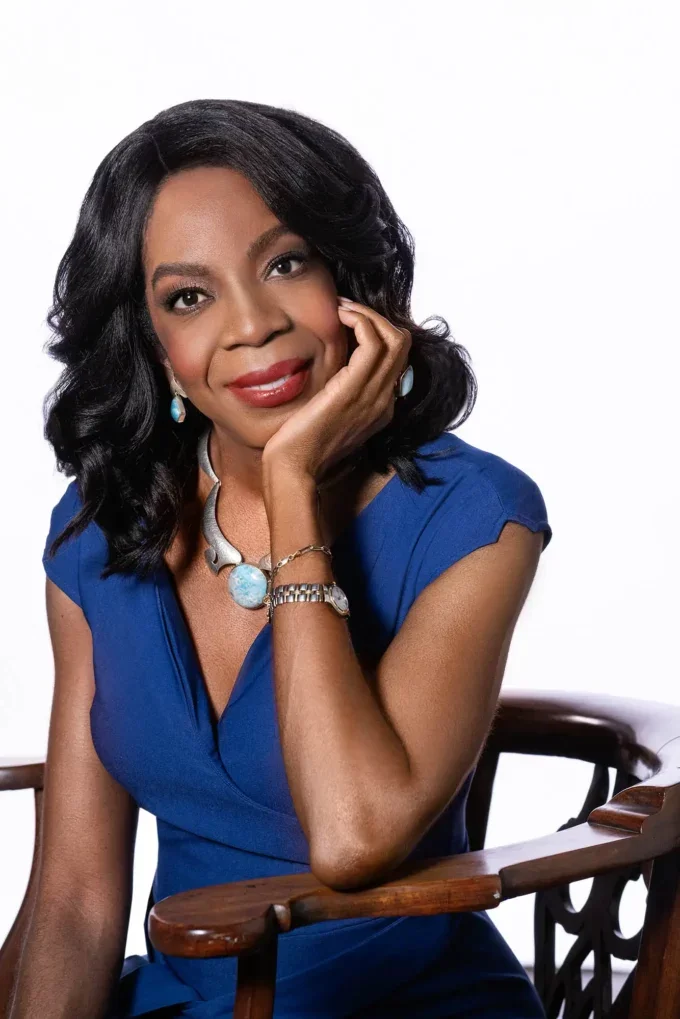
Dr. Edda Fields-Black is a specialist in the trans-national history of West African rice farmers, peasant farmers in pre-colonial Upper Guinea Coast and enslaved laborers on rice plantations in the South Carolina and Georgia Lowcountry during the antebellum period.
Fields-Black’s new book, COMBEE: Harriet Tubman, the Combahee River Raid, and Black Freedom during the Civil War (Oxford University Press, trade list, February 2024) offers the fullest account to date of Tubman’s Civil War service. This narrative history tells the untold story of the Combahee River Raid from the perspective of Tubman and the enslaved people she helped to free based on new sources not previously used by historians, as well as new interpretations of sources familiar to Tubman’s biographers. It is the story of Harriet Tubman’s Civil War service during which she worked as a cook and nurse in Beaufort, SC, and gathered intelligence among freed people and enslaved Blacks. It is the story of enslaved people who labored against their wills on seven rice plantations, ran for their lives, boarded the US gunboats, and sailed to freedom.
Episode 64: There Will Be Blood with Dr. Brian DeLay
This week Dr. Brian DeLay drops in to share a milkshake about There Will Be Blood and the performance of Daniel Day-Lewis. We explore the complexity of the protagonist, Daniel Plainview, and his lack of change throughout the film as well as the historical context of oil barons and the era of titans in American history. The conversation delves into the relationship between Plainview and capitalism, highlighting his refusal to let the big guys win, even at the cost of his own success. The conversation touches on the violent ending, the absence of Native peoples in the narrative, and Brian DeLay's work on the West including the differences between writing for trade presses and academic presses. Brian is a titan in the field so I hope you enjoy this conversation.

Dr. Brian DeLay is a scholar of 18th- and 19th-century North America, specializing in transnational, borderlands, and Native American histories. Most of his writing explores connections between U.S., Latin American, and Indigenous histories in order to better understand power and inequality in the Western Hemisphere.
His first book, War of a Thousand Deserts: Indian Raids and the U.S.-Mexican War
recovers the forgotten, transnational story of how Comanches, Kiowas, Apaches, Navajos and other Indigenous peoples shaped the transformative era of the U.S.-Mexican War. He is now working on three interconnected projects about the history of the international arms trade. The first is a book called Aim at Empire: American Revolutions through the Barrel of a Gun, 1750-1825. The book explains how the international arms trade made anticolonial rebellion a practical possibility in British North America; how arms dealers from the newly-independent United States equipped the Haitian Revolution and the Spanish American Wars for Independence; and how privileged control over war material empowered U.S. empire in the trans-Appalachian West. Aim at Empire will be published by W.W. Norton in 2024. The second project is another book under contract with W.W. Norton: Means of Destruction: Guns, Freedom, and Domination in the Americas before World War II.
Episode 63: Ferrari with Dr. Colin Colbourn
This week Dr.Colin Colbourn buckles in to talk about Formula 1 racing, the Mille Miglia, how Ferrari recovered from WWII, and Colin’s work to find and repatriate American missing in action with Project Recover.
Colin Colbourn, Ph.D., is Project Recover’s Lead Historian and a Postdoctoral Researcher with the University of Delaware. Since 2016, he has managed historical operations including archival research, data management, case analysis, and field investigations. Through these efforts, Project Recover has developed a massive internal archive comprised of thousands of historical reports, maps, and images.
As a Postdoctoral Researcher, Colin Colbourn works closely with Mark Moline, Ph.D., co-founder of Project Recover. In this capacity, he develops MIA cases with the team of oceanographers and AUV/ROV experts at the University of Delaware. It is a collaboration that, like Project Recover, relies on mutli-disciplinary expertise to approach the MIA mission from different angles.
Emergency Pod: Remembering Carl Weathers with Dr. Craig Bruce Smith and Dr. Robert Greene II
If you're like me, Carl Weathers was everywhere in your life from the late 70s until today, when we learned of his passing. I asked two friends, Craig Bruce Smith and Robert Greene II, to join in and talk about what he meant to Generation X and the Millenials, his role as THE Black action star of the 1980s, and how he changed his performances over time to new audiences. We refuse to be sad today because Carl Weathers was amazing. We hope you enjoy.
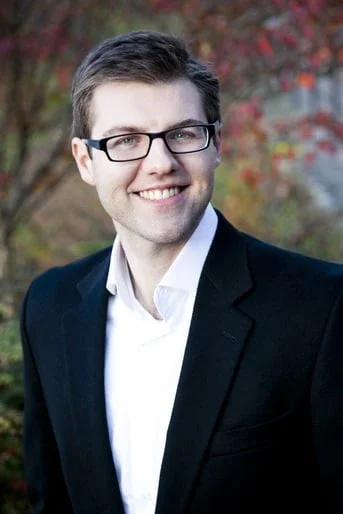
Dr. Craig Bruce Smith is Professor of History at National Defense University in the Joint Advanced Warfighting School (JAWS) in Norfolk, VA. He authored American Honor: The Creation of the Nation’s Ideals during the Revolutionary Era and co-authored George Washington’s Lessons in Ethical Leadership.
Smith earned his PhD in American history from Brandeis University. Previously, he was an associate professor of military history at the U.S. Army School of Advanced Military Studies (SAMS), an assistant professor of history, and the director of the history program at William Woods University, and he has taught at additional colleges, including Tufts University. He specializes in American Revolutionary and early American history, specifically focusing on George Washington, honor, ethics, war, the founders, transnational ideas, and national identity. In addition, he has broader interests in colonial America, the early republic, leadership, and early American cultural, intellectual, and political history.
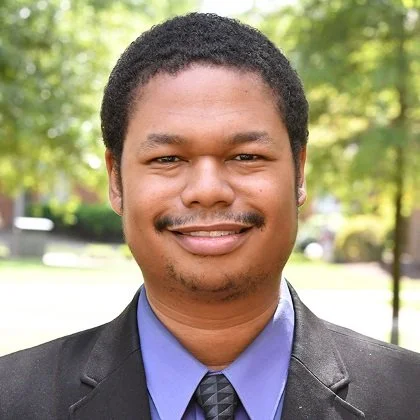
Assistant Professor of History Dr. Robert Greene II received his Bachelor of Arts in Writing and Linguistics with a concentration in Creative Writing from Georgia Southern University; his Master of Arts in History from Georgia Southern University; and earned his Ph.D. in History from the University of South Carolina, Columbia. Dr. Greene recently completed his dissertation at the University of South Carolina, about the ways in which Democratic Party leaders in the South from 1964 to 1994 vied for the African American vote via appeals to Southern identity and memory of the Civil Rights Movement. Mr. Greene has published a book chapter in the collection Navigating Souths, and has published a scholarly article in Patterns of Prejudice. He has also published at several popular magazines and websites, including The Nation, Jacobin, Dissent, Scalawag, Current Affairs, and Jacobin.His research interests include African American history, American intellectual history since 1945, and Southern history since 1945. Dr. Greene is also a blogger and book review editor for the Society of U.S. Intellectual Historians, and has just begun a six-post stint for the Teaching American History blog.
Episode 61: 1883 with Dr. Sarah Keyes and Dr. Josh Garrett-Davis
This week Sarah Keyes and Josh Garrett-Davis drop in to talk about settlers, Native Americans, the Overland Trail, and yes, dysentery via Taylor Sheridan's 1883. We also talk about the West on film, how the West has been portrayed in movies, books, tv, and video games, as well as question why the West is in a pop culture revival in current moment. This is a really fun conversation. Hope you dig it.
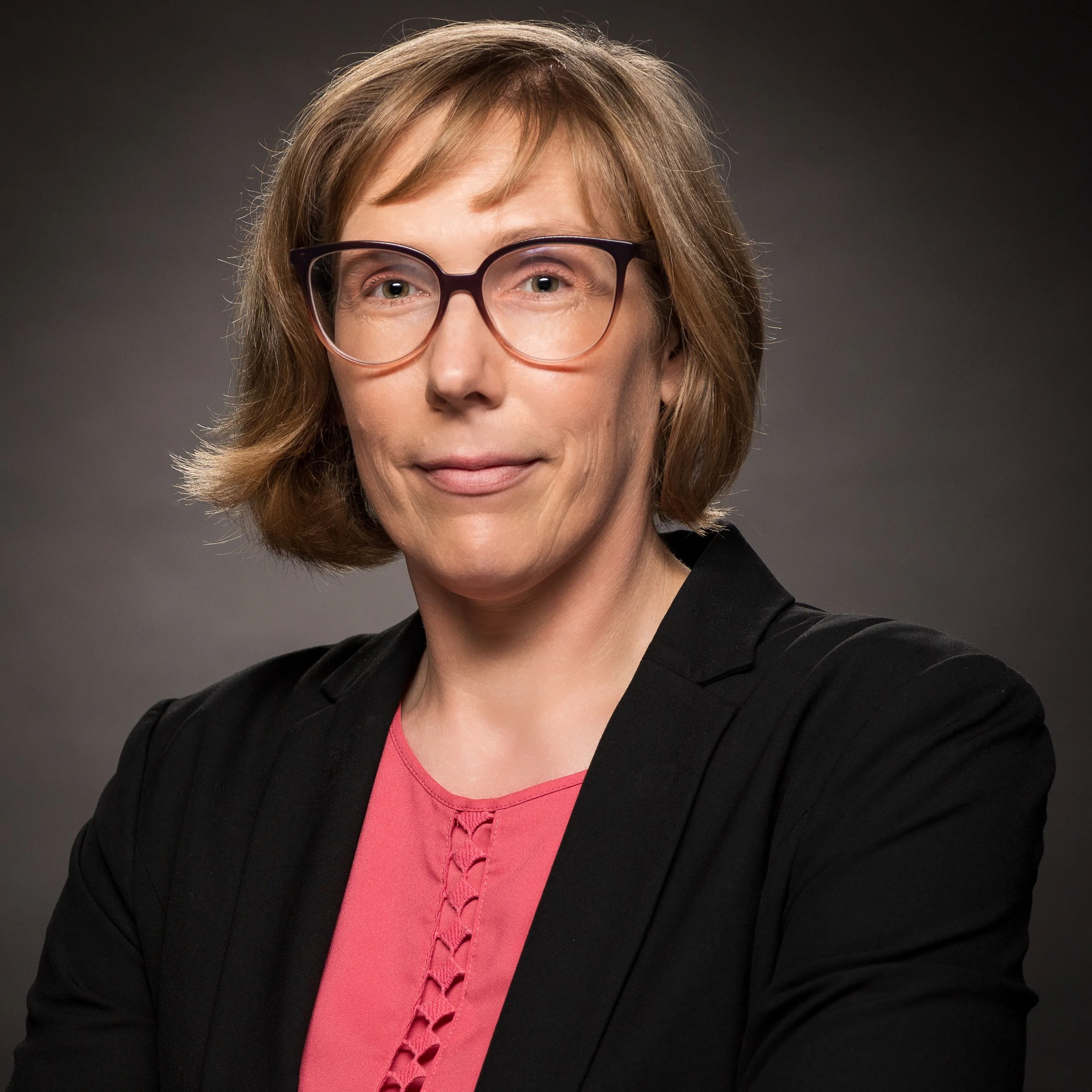
Dr. Sarah Keyes is a historian of the United States. She specializes in the 19th century and the history of the U.S. West with a focus on the environment and intercultural interactions between Indigenous peoples and non-Native settlers. Her current work explores these topics along the overland trails to Oregon and California in the mid-19th century. Her first book, American Burial Ground: A New History of the Overland Trail, was published by the University of Pennsylvania Press in October 2023. Keyes has also begun work on her second project, a regional and transnational study of suffrage in the U.S. West, for which she was recently awarded a Mellon-Schlesinger Summer Research Grant from the Schlesinger Library at Harvard University.
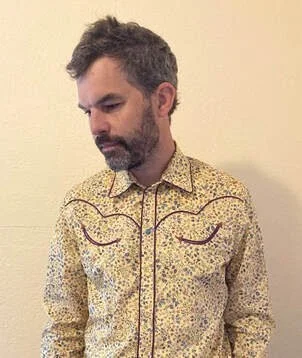
Dr. Josh Garrett-Davis oversees some 400 manuscript collections that pertain to the American West, along with hundreds of thousands of printed and graphic items, including photographs and maps, as well as rare books, ephemera, and other related materials.
Garrett-Davis is part of a curatorial team of 14 responsible for organizing, interpreting, and stewarding some 12 million items, and making them available to researchers, as well as developing exhibitions and other forms of public outreach showcasing their significance in history and relevance to current issues, events, and diverse communities.
Garrett-Davis earned a B.A. in American studies from Amherst College, an MFA in nonfiction writing from Columbia University, and an M.A. and Ph.D. in history from Princeton University.
He has written about the American West and Native America for scholarly and popular audiences. He is the author of two books: What Is a Western? Region, Genre, Imagination (The University of Oklahoma Press, 2019), which won the Outstanding Western Book award from the Center for the Study of the American West; and Ghost Dances: Proving Up on the Great Plains (Little, Brown, 2012), a personal geography of his home region (he was born and raised in South Dakota). Garrett-Davis is currently finishing his third book, Resounding Voices: A History of Native American Sound Media (under contract with Yale University Press), based on his doctoral dissertation.
Episode 60: 12 Monkeys and the History of Epidemic Diseases with Dr. George Dehner
This week George Dehner drops in to talk about 12 Monkeys (1995) and the history of epidemic diseases. We talk not only about the possibilities of a dystopian world caused by global contagion, but about how the fields of both environmental history and disease history evolved in the latter half of the 20th century. George is one of my former professors and it was awesome to sit down and talk to him. This is a cool conversation with one of the most influential scholars in my life. Hope you like it.

Professor Dehner is a world environmental historian who examines the intersection of humans and disease in the modern era. His first book Influenza: A Century of Science and Public Health was published in April 2012 by the University of Pittsburgh Press. His second book Global Flu and You: A History of Influenza was published in December 2012 by Reaktion Press. His article “WHO Knows Best? National and International Responses to Pandemic Threats and the ‘Lessons’ of 1976” published in the Journal of the History of Medicine and Allied Sciences received the 2011 Margaret T. Lane/Virginia F. Saunders Memorial Research Award by the American Library Association Government Documents Roundtable. He is currently beginning a research project on Legionnaires’ Disease. Check out his “Influenza pandemics since Russian Flu: Do they provide insight to COVID-19?” as part of a Fairmont College of Liberal Arts and Sciences series, Perspective on the Pandemic.
Episode 59: A Million Ways to Die in the West with Dr. Sara Dant
This week environmental historian Sara Dant drops in to talk about a new history of the West, wolf reintroduction in Colorado, public land management, and Seth MacFarlane's homage to classic western films. This is a fun conversation about a silly movie that actually has a lot to say. I hope you like it.
Dr. Sara Dant is Brady Presidential Distinguished Professor Emeritus and Professor Emeritus of History whose work focuses on environmental politics in the United States with a particular emphasis on the creation and development of consensus and bipartisanism. Dant’s latest book is Losing Eden: An Environmental History of the American West (2023) with a foreword by Tom S. Udall. She was also an advisor and interviewee for Ken Burns' The American Buffalo documentary film (2023), and is the author of several prize-winning articles on western environmental politics as well as a precedent-setting Expert Witness Report and Testimony on Stream Navigability upheld by the Utah Supreme Court (2017). Dant co-authored the two-volume Encyclopedia of American National Parks (2004) with Hal Rothman and has written chapters for two books on Utah: “The ‘Lion of the Lord’ and the Land: Brigham Young's Environmental Ethic,” in The Earth Will Appear as the Garden of Eden: Essays in Mormon Environmental History, ed. by Jedidiah Rogers and Matthew C. Godfrey (2019) and “Going with the Flow: Navigating to Stream Access Consensus,” in Desert Water: The Future of Utah’s Water Resources (2014). Dant was the 2024 H. Aldous Dixon Distinguished Faculty Award recipient at Weber State, the 2019-2020 John S. Hinckley Fellow at Weber State for excellence in scholarship, teaching, and service, and was recognized as a Brady Presidential Distinguished Professor in 2020. She retired in 2024 to pursue an independent writing career.
Episode 58: Point Break and the Political History of Surfing with Dr. Scott Laderman
This week we invite Scott Laderman to talk about Point Break (1991) and his book Empire in Waves: A Political History of Surfing. We talk about depictions of surfing in this film and others along with the origins of the pursuit, its commodification and commercialization, how surfers responded to genocide and apartheid in the 1960s, 70s, and 80s, the greatest surfing movies of all time, and greatest surfers of all time. This is a really fun and deep dive into surf and film history. I think you're gonna dig it.
Dr. Scott Laderman joined the Department of History at UMD in 2005. A specialist in the modern United States, his work broadly explores the various ways that Americans have encountered and ascribed meaning to the rest of the world.
Professor Laderman's first book, Tours of Vietnam: War, Travel Guides, and Memory (Duke University Press, 2009), examines issues of tourism and memory in postcolonial Vietnam. His second monograph, Empire in Waves: A Political History of Surfing (University of California Press, 2014), combines the passion for wave-riding he developed while growing up in California with his professional interest in the history of U.S. foreign relations. His most recent book, The “Silent Majority” Speech: Richard Nixon, the Vietnam War, and the Origins of the New Right (Routledge, 2019), uses Nixon’s most famous presidential address to probe the last years of the war in Vietnam and the rise of the modern right-wing political movement.
With Edwin Martini, he co-edits the Culture and Politics in the Cold War and Beyond book series for the University of Massachusetts Press, and he has written for numerous popular publications, including the New York Times, Washington Post, South China Morning Post, and Star Tribune.
Professor Laderman teaches courses in nineteenth- and twentieth-century U.S. history for the department, focusing especially on the global United States and the politics of popular culture.
Episode 57: Dungeons and Dragons: Honor Among Thieves with Dr. Emily Friedman and Trevor Valle
This week, I invited I invited on two absolute luminaries in the gaming world in Emily Friedman and Trevor Valle to talk not only about the film Dungeons & Dragons: Honor Among Thieves, but about the world around D&D complete with the history of the game and the politics surrounding table top gaming. And folks, this is such a cool deep dive into D&D. This is an appropriately dragon-sized episode; my gift to you for the final HATM Podcast of 2023.

Dr. Emily C. Friedman is an Associate Professor of English at Auburn University and teaches courses on British literature, book history, and game narratives. Trained as a book historian, narratologist, and digital humanist, her work examines the history of cultural production outside of commercial mass media from the eighteenth century to today, from never-published manuscript fiction to emerging media. Now one of the senior scholars and public intellectuals in the field of "Actual Play," a new media form where roleplaying games are performed for audiences, her research on the topic has appeared in multiple academic books and journals, The Los Angeles Review of Books, and she is a regular contributor to Polygon. She is at work on two book projects on Actual Play: a field-defining history of the form online, as well as a multiauthored critical companion to major Actual Play Dimension 20.

Trevor Valle is an American paleontologist and wildlife biologist. In addition to his extensive career in paleontology he has also served as personality on several notable paleontology and wildlife television programs and documentaries. He is also a professional TTRPG Dungeon Master. He has been a guest on numerous podcasts including Breaking Bio, the Science Enthusiast Podcast, and the Joe Rogan Experience.
Episode 56: A Christmas Story with Dr. Vaughn Joy
It's Christmas time and that means visiting an old classic. This week doctoral student Vaughn Joy joins in to talk about A Christmas Story and her work looking at how the American government exerted control over Christmas films as a way of influencing the national narrative. We talk about all we love and hate with this movie, the history of Christmas films, and yes, continue to debate whether on not Die Hard is a Christmas movie.

Dr. Vaughn Joy received her PhD in History in November 2024. Her research is primarily concerned with how popular culture constructs and responds to the world around it, such as in my thesis-turned-manuscript on mid-century media manipulations of the Christmas holiday for socially conservative ends in Hollywood films from 1946 to 1961. She has also written public scholarly pieces on contemporary issues in Hollywood such as the repeal of the Paramount Decrees and the 2023 WGA and SAG-AFTRA strikes. I maintain a newsletter entitled Review Roulette in which she promotes media literacy and critical analysis through fun reviews of familiar films with a film studies methodology.
Episode 55: High Fidelity and the History of College Radio with Dr. Kate Jewell
This week guest Kate Jewell stops by to talk about one of the more interesting John Cusack performances in the film High Fidelity. This movie features some phenomenal performances by Cusack, Jack Black, Todd Louiso, and one very weird Tim Robbins. We also talk about Kate's new book Live from the Underground: A History of College Radio. This might be in your Top 5 favorite episodes ever.
Dr. Katherine Rye Jewell is Professor of History at Fitchburg State University, where she teaches modern U.S. history. She is a historian of the business and politics of culture in the twentieth-century United States. Her book, Dollars for Dixie: Business and the Transformation of Conservatism in the Twentieth Century (Cambridge Studies on the American South) (Cambridge University Press, 2017), explored the intersection of southern culture and politics through industrialists’ responses to the New Deal.
She turns attention to another kind of business in her new book, Live from the Underground: A History of College Radio, from the University of North Carolina Press. Taking aim at the informal spaces that shaped the music industry since the 1970s, Jewell uncovers how college DJs confronted the politics of culture, higher education, and identity.