Episode 54: Godzilla Minus One with Dr. Bill Tsutsui and Dr. Akiko Takenaka
With Godzilla Minus One tearing up the American and global box office, it's time for another EMERGENCY PODCAST. This week we are joined by two amazing scholars of Japanese social and cultural history in Bill Tsutsui and Akiki Takenaka. We talk about our first impressions of the film, where it fits into Godzilla and WWII lore, and the history of Godzilla himself. This is such a cool conversation and I'm so excited to bring it to you.
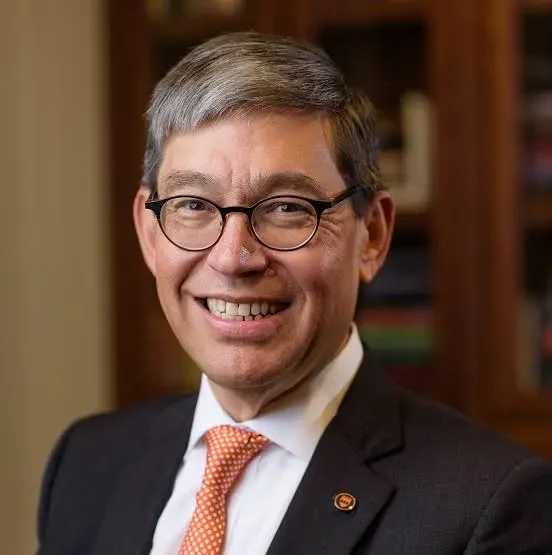
Dr. Bill Tsutsui is an award-winning scholar and teacher, an experienced academic leader, and an outspoken supporter of the public humanities, international education, and more inclusive, accessible colleges and universities. He researches, writes, and speaks widely on Japanese economic and environmental history, Japanese popular culture (especially the Godzilla movies), Japanese-American identity, and issues in higher education. He is highly opinionated about BBQ, proud to have once driven the Zamboni at an NHL game, and slightly embarrassed to be Level 40 in Pokemon Go. Find him at https://www.billtsutsui.com/

Dr. Akiko Takenaka specializes in social and cultural history of modern Japan. Her research involves memory and historiography of the Asia-Pacific War, gender and peace activism, and history museums. Her teaching interests include gender, war and society, nationalism, memory studies, and visual culture. Prior to coming to UK, she has taught as a postdoctoral fellow at the University of Chicago and the University of Michigan.
Professor Takenaka's first book, entitled Yasukuni Shrine: History, Memory, and Japan's Unending Postwar (University of Hawai'i Press, Studies of the Weatherhead East Asian Institute, Columbia University), explores Yasukuni Shrine as a physical space, object of visual and spatial representation, and site of spatial practice in order to highlight the complexity of Yasukuni’s past and critique the official narratives that postwar debates have responded to. Her second book project Mothers Against War: Gender, Motherhood, and Peace Activism in Postwar Japan is under advance contract with the University of Hawai'i Press. Her research has been funded by long-term research fellowships by Fulbright and the Japan Foundation.
Episode 53: The Last Duel with Dr. Patrick Wyman
Ready for a deep dive on the Middle Ages? This week Patrick Wyman, host of Tides of History and The Pursuit of Dadliness and author of The Verge: Reformation, Renaissance, and Forty Years that Shook the World stops by to talk about Ridley Scott's The Last Duel, the 2021 epic that closely follows one of the last judicial duels of the Middle Ages. The film, starring Matt Damon, Adam Driver, and Jodie Comer has picked up a following since its release. Our conversation talks about why Patrick thinks is one of the most accurate films he has seen, along with questions over social status, chivalry, warfare, religion, the Plague, and even the Ottoman Empire.

Patrick Wyman holds a PhD in history from the University of Southern California. He previously worked as a sports journalist, covering mixed martial arts and boxing from 2013 to 2018. His work has been featured in Deadspin, The Washington Post, Bleacher Report, and others. He is currently host of the podcast, Tides of History, and previously the host of Fall of Rome.
Episode 52: The American President with Dr. Lindsay Chervinsky
This week we welcome Lindsay Chervinsky back to the pod to talk about 1995's The American President. We talk about just how revolutionary was the idea of a president, the history of presidential relationships, scandals in the White House, and even presidential pets. This was a lot of fun. I hope you like it.
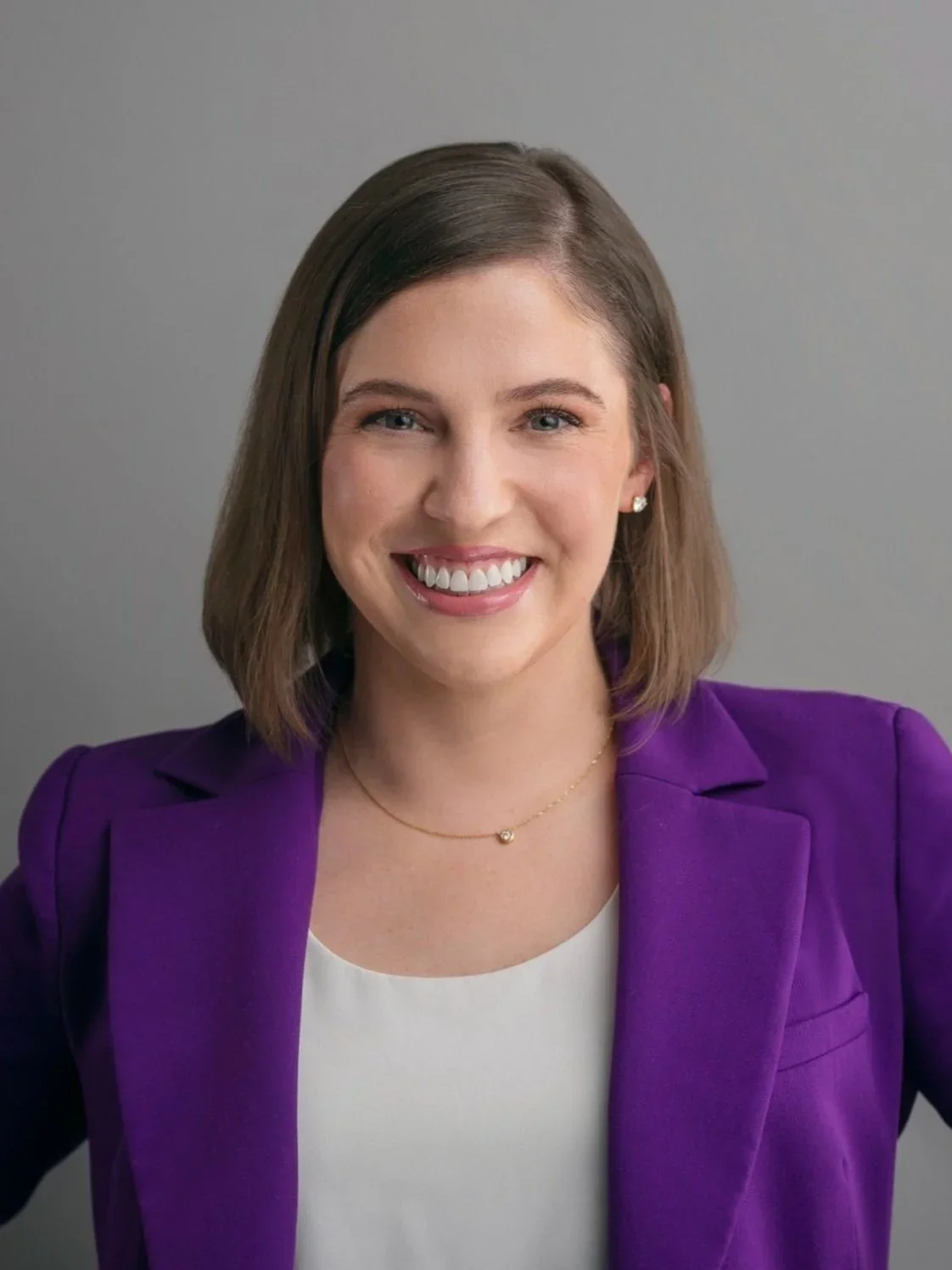
Dr. Lindsay M. Chervinsky is a presidential historian and the Executive Director of the George Washington Presidential Library. She is the author of the award-winning books, The Cabinet: George Washington and the Creation of an American Institution and Making the Presidency: John Adams and the Precedents That Forged the Republic, and co-editor of Mourning the Presidents: Loss and Legacy in American Culture. She regularly writes for public audiences in the Wall Street Journal, The Bulwark, Time Magazine, USA Today, CNN, and the Washington Post.
Episode 51: Napoleon with Dr. Corinne Gressang and Dr. Laura O’Brien
With Napoleon hitting the big screen this past week, we decided it was time for our first emergency podcast. This week we recruited French history scholars Corinne Gressang and Laura O'Brien onboard to talk about what the film did right, what it did wrong, and why exactly can't we seem to get Bonaparte right onscreen.
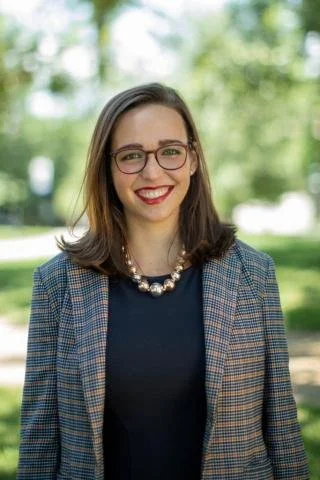
Dr. Corinne Gressang began as an Assistant Professor of History at Slippery Rock University in the Fall of 2023. She specializes in the history of the French Revolution, but she teaches various courses on Early Modern and Modern European History. She grew up in Western Pennsylvania and received her undergraduate degree in History with a minor in Legal Studies from Grove City College in 2013. From there, she received her MA and Ph.D. from the University of Kentucky in 2015 and 2020, respectively. She spent three years teaching at Erskine College in Due West, SC as an Assistant Professor before moving back home to Western Pennsylvania to teach at Slippery Rock.
Her dissertation topic developed after reading an editorial in a short-lived Catholic newspaper called L’Ange Gabriel (1799). The editor argued that the French nuns had suffered expulsion from their convents, and they were the most unfortunate victims of the Revolutionary decade. Dr. Gressang’s curiosity about what became of these women became the focus of her dissertation which she is currently revising for publication.
She is a member of the American Historical Association, the Western Society for French History, the Society for French Historical Studies, Phi Alpha Theta, and the American Catholic Historical Association. Dr. Gressang currently serves as an Assistant Digital Coordinator for the Society for French Historical Studies and is a member of the executive council for the Western Society for French History. She has won numerous teaching awards including the Outstanding Teaching Assistant Award from the University of Kentucky in 2018-2019 and the Younts Excellence in Teaching Award in 2021-2022 from Erskine College.

Dr. Laura O'Brien joined Northumbria University in September 2015, having previously taught at University College Dublin, Trinity College Dublin, Université Paris 1 (Panthéon-Sorbonne) and the University of Sunderland. She completed her PhD at University College Dublin, where she held an Irish Research Council ‘Government of Ireland’ Postgraduate Scholarship, and was a doctoral fellow at the UCD Humanities Institute. Between 2010 and 2013 Laura was an Irish Research Council/Marie Curie Actions COFUND Fellow, based at Trinity College Dublin and the Centre de recherches en histoire du XIXe siècle, Université Paris 1 (Panthéon-Sorbonne).
Episode 50: The Last of the Mohicans with Dr. Wayne E. Lee
This is HATM's 50th episode and I wanted to do something special. This week we are joined by military historian Wayne E. Lee from the University of North Carolina to talk about The Last of the Mohicans and his new book, The Cutting-Off Way: Indigenous Warfare in Eastern North America, 1500-1800. We talk about historical misconceptions of Indigenous warfare, how warfare in the Americas compares to conflict in other parts of the globe, the beauty of North Carolina, and that waterfall scene.

Dr. Wayne Lee specializes in early modern military history, with a particular focus on North America and the Atlantic World, but he teaches military history from a full global perspective at the undergraduate and graduate level. He also teaches courses on violence as well as on the early English exploration of the Atlantic. As a kind of additional career, he works with archaeology projects in the Balkans and has numerous publications in that field.
Episode 49: Flatliners with Dr. N.J. Gallegos
It's spooky season and that means I have something a little different planned for you. This week HATM is joined by emergency physician Dr. N.J. Gallegos to talk about Flatliners (1990). We also talk about her new book The Broken Heart, med school, her work as a physician, and because we are both nerds, Star Wars. It's a rolling and fun episode with one of my favorite people on the planet.
N.J. Gallegos is an Emergency Medicine Physician who enjoys horror, medicine, and wicked women looking for revenge. Put all three together? Now we're talking! She lives in Illinois with her wife and two cats. In her spare time, she enjoys binging reality trash tv, brewing beer, and running while listening to EDM so she can drink said brewed beer.
Episode 48: Robin Hood: Prince of Thieves with Dr. Thomas Lecaque and Dr. John Wyatt Greenlee
This week Thomas Lecaque and John Wyatt Greenlee drop in to talk about the most historically accurate film of all-time: Robin Hood: Prince of Thieves. Ok, it's nowhere near accurate but that doesn't mean we can't love it all the same. We talk about when and where the myth of Robin Hood emerges, our favorite portrayals of the character, the score and the soundtrack, and yes, the accent. This one is fun. Jump in.
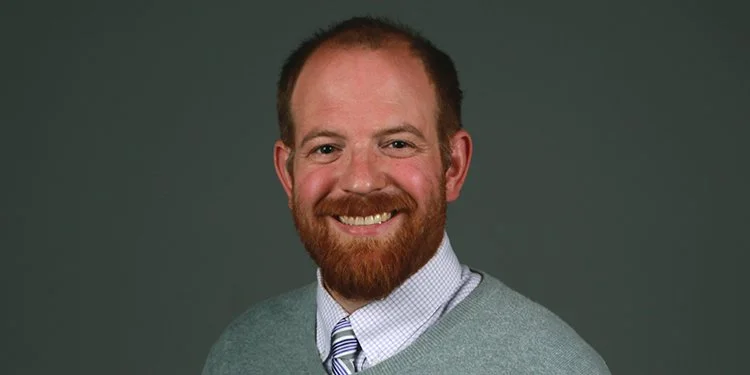
Dr. Thomas Lecaque is an Associate Professor of History at Grand View University. He has a Ph.D. in Pre-Modern European History from the University of Tennessee, an M.A. in English with a focus on Old English and Anglo-Norman literature from Truman State University, and a B.A. (also from Truman) in History with minors in Philosophy & Religion and English.He also spent two years of my undergraduate life at Tulane University in New Orleans, where hewas a theater & history major.
His research has moved on to looking at the same language of religious violence and apocalypticism and its impact on other time periods and events. His current project looks at the rhetoric of holy war across languages and denominations in the wars of empire between England and France and numerous Native polities in the northeastern section of the United States. I also work on expressions of these sentiments in contemporary America, largely via public essays in places like The Washington Post, Foreign Policy, The Bulwark, Religious Dispatches, and the History News Network.
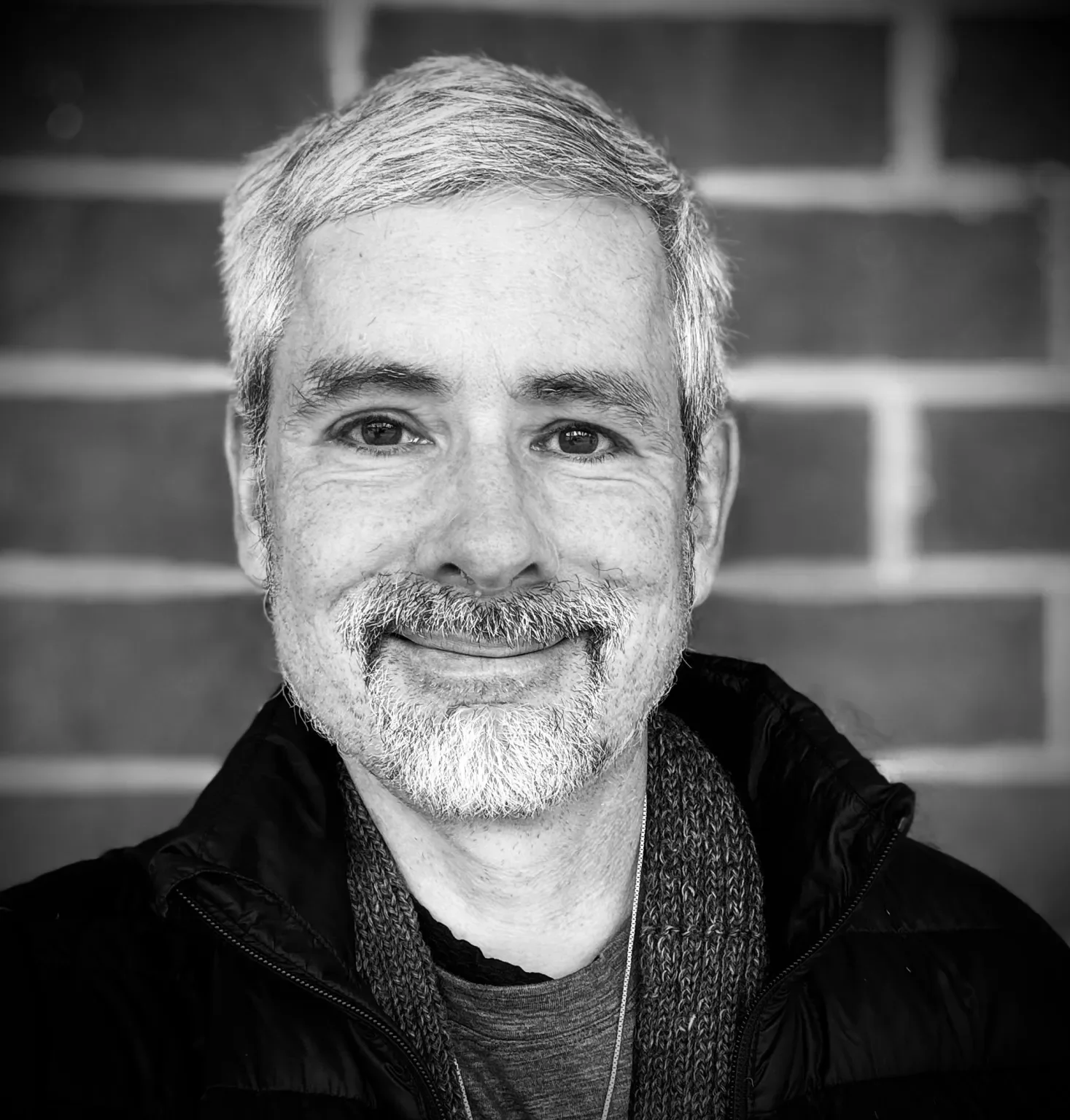
Dr. John Wyatt Greenlee is a medievalist and a cartographic historian, as well as a historian of roads and pathways and pilgrimage. But he is best well known for my work on the role of eels in pre-modern England from the tenth through the seventeenth centuries. He is heavily engaged in outreach and public engagement to make the eel history more widely known, and to raise awareness for the role of eels as an endangered species. His work with eels and eel history has been profiled in TIME, The Guardian, Atlas Obscura, Hakai Magazine, and The New Yorker.
Episode 47: Dirty Dancing with Leah Lagrone, Lauren MacIvor Thompson, and Lauren Lassabe Shepherd
This week Reckoning dives into one of the sharpest historical films of the 1980s- Dirty Dancing. No, we're not kidding either. Guests Leah Lagrone, Lauren MacIvor Thompson, and Lauren Lassabe Shepherd tackle the memory of the 60s from the 80s, young love, issues of labor and class, dancing, AIDS, the Reagan era, abortion, whether or not Baby and Johnny are still together, and of course, that soundtrack. Prepare for the time of your lives.

Dr. Leah LaGrone is an assistant professor of history and public history director. She graduated from Texas Christian University in Fort Worth, Texas, with a PhD in history focused on borderlands, labor, and gender studies in early 20th century. Her research examines state legislation and the discourse on minimum wages for women, specifically the connections of sex work with low wages. Her current book project, “A Woman’s Worth: How Race and Respectability Politics Influenced Minimum Wage Policies,” demonstrates that the politics around race and the minimum wage for women drove conversations among labor, politicians, and progressive reformers about the future of white supremacy in Texas.
She has contributed an essay to the anthology "Impeached: The Removal of Texas Governor James E. Ferguson" as well as articles to The Washington Post and NursingClio. She has worked on several public history projects, including "The Civil War Documentary," "Civil Rights in Black and Brown," and the Texas State Historical Association's "Handbook of Texas Women." Dr. LaGrone will teach the public history classes and supervise the public history internships.
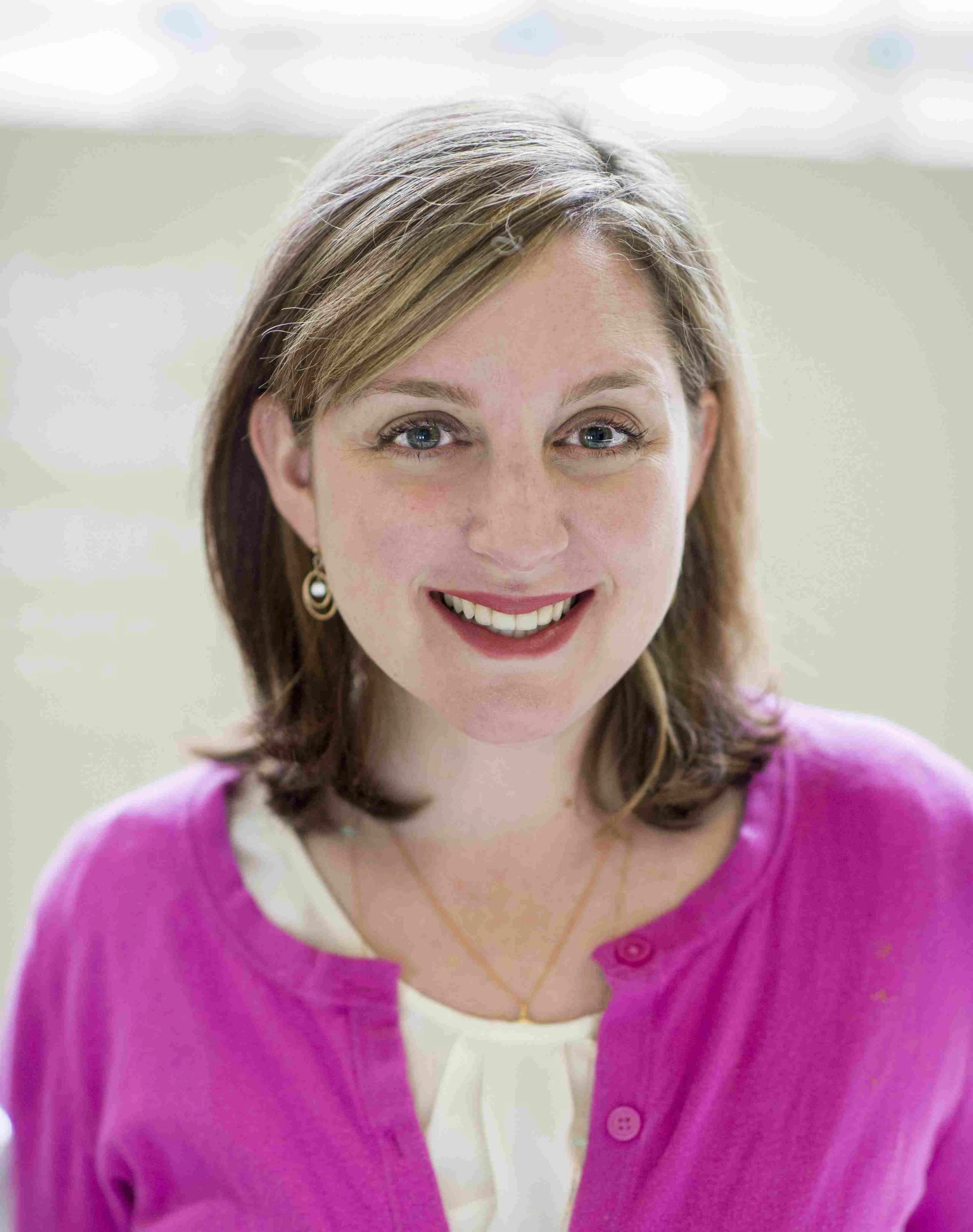
Lauren MacIvor Thompson (Ph.D. '16) is a historian of early-twentieth-century women’s rights and public health. She serves as the faculty research fellow at the Georgia State University College of Law’s Center for Law, Health & Society. She is also part of the faculty at Kennesaw State University as a jointly-appointed Assistant Professor of History and Interdisciplinary Studies. Thompson’s current research focuses on the intersections of medical authority and expertise, women’s health, and public health policy in the birth control and reproductive health movements. She is working on a book manuscript, Battle for Birth Control: Mary Dennett, Margaret Sanger, and the Rivalry That Shaped a Movement, forthcoming with Rutgers University Press. She has published numerous articles and op-eds including work in Law and History Review, The Journal of the Gilded Age and Progressive Era, the Washington Post and the New York Times. Her research has been supported by fellowships from the American Philosophical Society, the New York Academy of Medicine, and the Society for the Gilded Age and Progressive Era, among others. Thompson is also a frequent public speaker including presentations at the American Historical Association, the Organization of American Historians, the American Society for Legal History, and the American Association for the History of Medicine, as well as national and international symposiums on suffrage and legal rights, reproduction, health, and medicine. She is a member of the national Scholars Strategy Network.
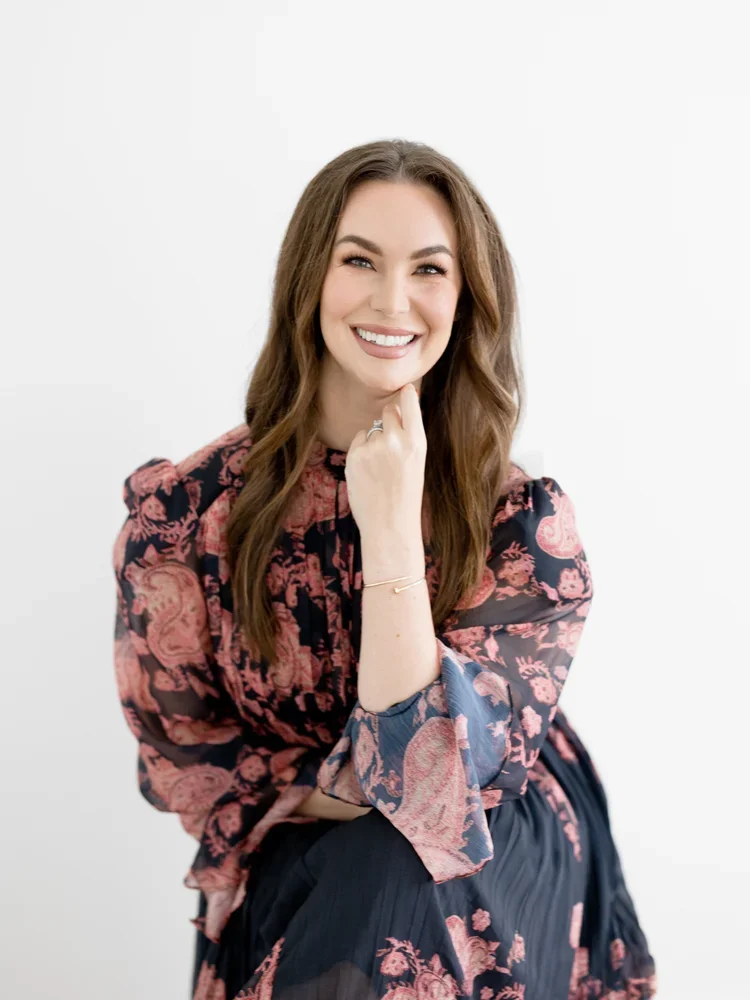
Dr. Lauren Lassabe Shepherd’s expertise is in the history of United States higher education from the 20th century to present, especially on the topic of conservatism in the academy. She is an instructor in the Department of Education and Human Development at the University of New Orleans and an IUPUI-Society for US Intellectual History Community Scholar.
Shepherd’s first book, Resistance from the Right: Conservatives and the Campus Wars, is out now from the University of North Carolina Press. Her second book manuscript is a historical survey of colleges and universities in the United States since the 1960s.
Episode 46: Sherlock Holmes with Tim Johnson
Did you know where the largest collection of Sherlock Holmes ephemera is located? This answer is elementary, my dear listeners--or maybe not. It's actually the University of Minnesota Special Collections. And this week's guest is one of the foremost experts in all things Sherlock Holmes, my good friend Tim Johnson. We jump in on Guy Ritchie's 2009 adaption as well as talk about other film adapations (including the Great Mouse Detective, natch) as well as talk about the process of collecting and archiving such a magnificent collection. This is a really cool conversation.
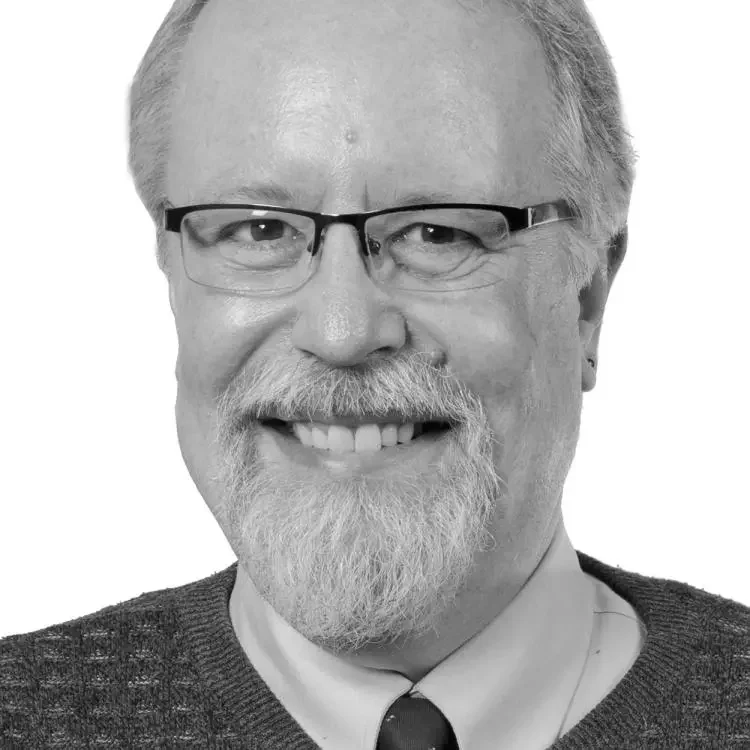
Tim is one of the curators in the Archives and Special Collections Department and responsible for the University of Minnesota Libraries' main rare book collection and dozens of special collections. Half of his time is spent as curator of the Sherlock Holmes Collections, the largest gathering of such material in the world. Tim began his career as an instructional services librarian and has also served as a library director, director of archives, medical librarian, assistant and associate professor. In addition to his curatorial responsibilities, he served for ten years as an adjunct faculty member in the MLIS program at St. Catherine University, where he taught a graduate level course in preservation management. Tim is happy to answer questions and help out with matters related to "old books" or any other question people might have about special collections or rare materials. He also writes a blog that often highlights new acquisitions or other matters related to special and rare items--"Special & Rare On A Stick."
Episode 45: Deadline U.S.A. with Charlie Pierce
When Charlie Pierce messages and asks to do a pod, you say yes. And that's exactly what happened. This week, one of the best and funniest political commentators in America drops by to talk about Deadline USA- the 1952 classic starring Humphrey Bogart as the editor of a newspaper trying to get out one last story before their lights are turned out for good. This is such a revealing film and Charlie is such a cool hang. I hope you like this pod.
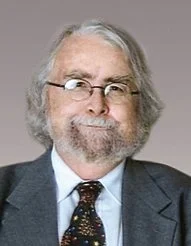
Charles P. Pierce is the author of four books, most recently Idiot America, and has been a working journalist since 1976. He's been the main political commentator for Esquire since 2011. He lives near Boston and has three children. He's awesome.
Episode 44: Dave with Alexis Coe
I don't usually shy away from asking guests to be on the podcast, but this week's guest is an exception. You know Alexis Coe from her two books, Alice+Freda Forever: A Murder in Memphis and You Never Forget Your First: A Biography of George of Washington. Or you've seen her on tv or on twitter or tiktok talking about presidential history. But today you get to hear her talk about Dave (1993) as we discuss the 90s, American presidencies, and a slew of other things. Alexis is awesome. So is this episode. Enjoy.
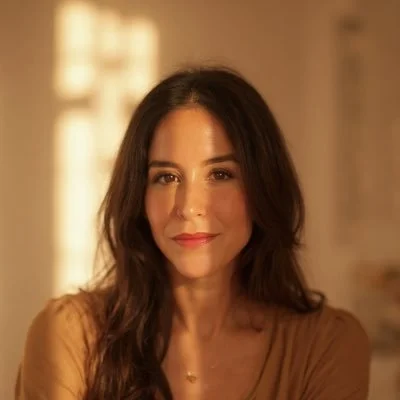
Alexis Coe is a presidential historian, an award-winning, New York Times bestselling presidential historian, and a senior fellow at New America, a bi-partisan think tank. In July 2025, Coe became the American History Columnist at the New York Times.
She is the leading presidential biographer of her generation, known for unique insights, engaging style, rigorous scholarship, and ability to reach larger diverse audiences in different mediums.
Her books have achieved critical and commercial success. She is the author of, most recently, You Never Forget Your First: A Biography of George of Washington. Her next book, Young Jack: A Biography of John F. Kennedy, 1917-1957, will be published in 2026, and her first book, Alice+Freda Forever: A Murder in Memphis, debuted in 2014.
In 2024, Coe went on a 13-stop cross-country discussion tour for New America. Her project, "How Should a President Be," is in anticipation of America's 250th anniversary in 2026.
Coe frequently appears on CNN, MSNBC, CBS, History, PBS, and other networks. She was a consulting producer on, and featured in, Doris Kearns Goodwin's Washington series on the History Channel. She is a frequent guest on NPR and hosted the podcasts No Man's Land and Presidents Are People Too!
She has been featured in and written for most major publications, including the New Yorker, the New York Times, the Washington Post, and Best American Essays.
Coe has given keynote lectures and appeared on and moderated panels at Georgetown, the Library of Congress, West Point, the New York Historical Society, the National Constitution Center, the Lyndon B. Johnson Presidential Library, and many more.
She curated the ACLU'S 100 exhibitions. While in grad school, she was a project-based oral historian at the Brooklyn Historical Society. She went on to be a Research Curator in the Exhibitions Department at the New York Public Library in Bryant Park.
Coe serves on the 2024 Honorary Committee of the Library of Congress Lavine/Ken Burns Prize for Film and has long served on the board of advisors for the University of Georgia's History in the Headlines series. She is a member of Biographer's International.
She is based in New York.
Episode 43: Tootsie with Dr. Justin Rawlins
We talk a lot on the podcast about film as historical artifacts- depictions of moments in time that can tell us as much about the audience as the topics themselves. This week is no exception as we dive into 1982's Tootsie, starring Dustin Hoffman. However, what makes this episode unique is that we are joined by Justin Rawlins to talk about the craft of filmmaking, particularly method acting. We get into Hoffman's performance (as well as his legendary battles with director Sydney Pollack) as well as talk about other famous method actors such as Daniel Day-Lewis, Robert DeNiro, Natalie Portman, Jared Leto, and Christian Bale. We also get into the controversy surrounding Bradley Cooper's upcoming performance as Leonard Bernstein, and question if Tootsie could even be made in 2023.
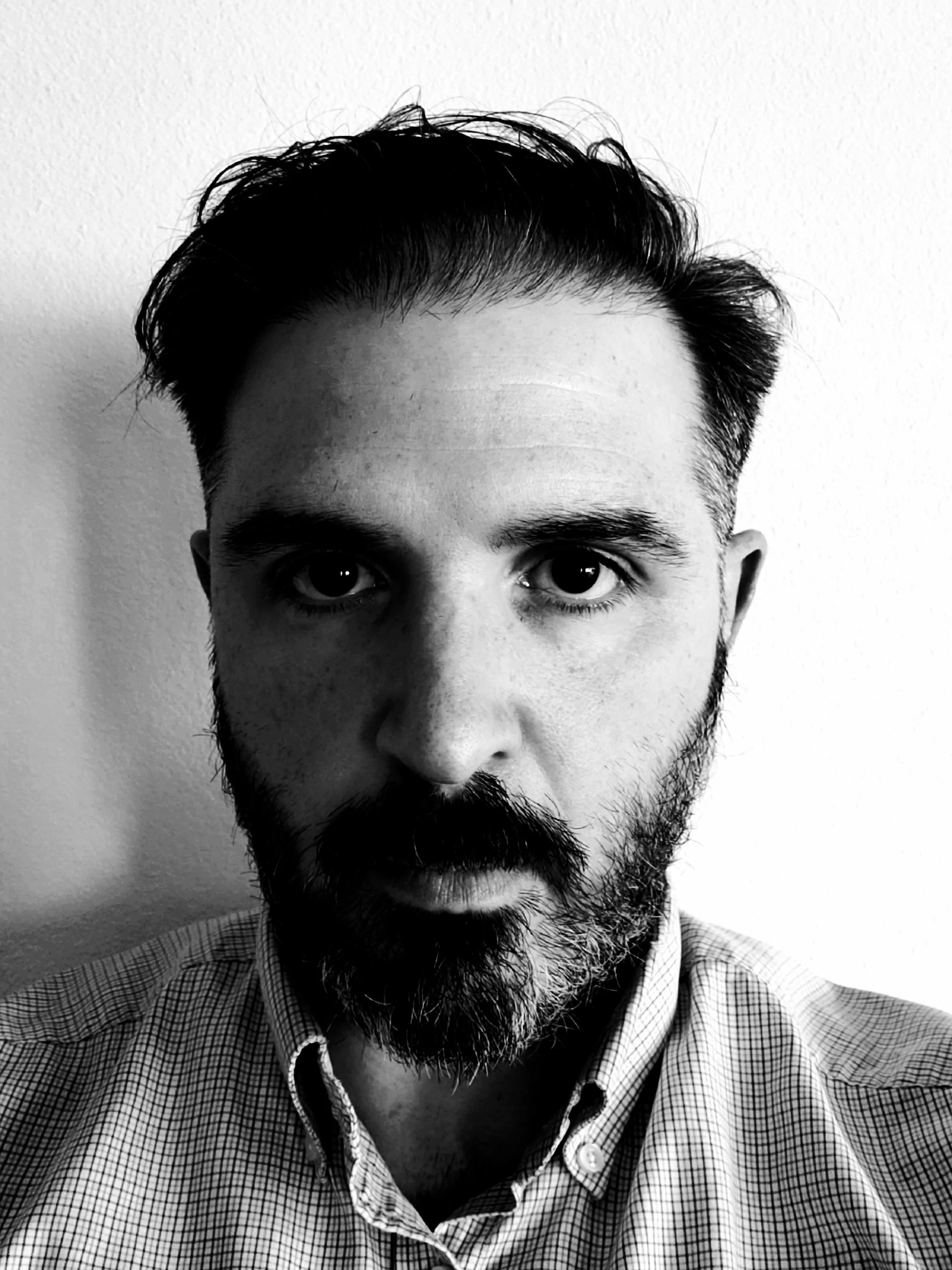
Justin Rawlins is Associate Professor of Media Studies and Film Studies at the University of Tulsa. He has an upcoming book from the University of Texas Press called Imagining the Method: Reception, Identity, and American Screen Performance, which you can find on preorder for 40% here: https://utpress.utexas.edu/9781477328507/imagining-the-method/
Episode Memphis Belle with Dr. Sarah Parry Meyers
I think a lot of us are familiar with stories of bomber pilots and fighter pilots during World War II. And we're probably familiar with the lives of many of the women who actually built those planes, made famous by Rosie the Riveter. But how many of us know about the Women's Air Service Pilots or about their fight for veteran recognition after the war was over? Sarah Myers joins in to talk about the film Memphis Belle and her new book, Earning Their Wings: The WASPs of World War II and the Fight for Veteran Recognition. I had never learned of the WASPs before knowing Sarah and this is such a cool talk. We get into Memphis Belle, her process of discovery, and what it was like to interview these intrepid women. Amazing stuff.
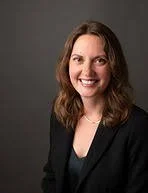
Dr. Sarah Parry Myers is a historian of 20th century U.S. history, gender, public history, oral history, and military history. In central Pennsylvania, she is an Associate Professor of History and Peace and Conflict Studies at Messiah University. She recently published Earning Their Wings: The WASPs of World War II and the Fight for Veteran Recognition (UNC Press, 2023). She is a former museum curator and NEH grant recipient.
Episode 41: Pretty Woman with Dr. Leah Lagrone
This week historian Leah Lagrone drops by the HATM studios to talk about 1990's Pretty Woman. We get into a ton of topics including the history of prostitution, sexual norms regarding its policing, the tropes behind books and films about the world's oldest profession, and whether or not Vivian and Richard are still together after all these years. We had a blast with this talk and I hope you dig the episode.

Dr. Leah LaGrone is an assistant professor of history and public history director.
She graduated from Texas Christian University in Fort Worth, Texas, with a PhD in history focused on borderlands, labor, and gender studies in early 20th century. Her research examines state legislation and the discourse on minimum wages for women, specifically the connections of sex work with low wages. Her current book project, “A Woman’s Worth: How Race and Respectability Politics Influenced Minimum Wage Policies,” demonstrates that the politics around race and the minimum wage for women drove conversations among labor, politicians, and progressive reformers about the future of white supremacy in Texas.
She has contributed an essay to the anthology "Impeached: The Removal of Texas Governor James E. Ferguson" as well as articles to The Washington Post and NursingClio. She has worked on several public history projects, including "The Civil War Documentary," "Civil Rights in Black and Brown," and the Texas State Historical Association's "Handbook of Texas Women." Dr. LaGrone will teach the public history classes and supervise the public history internships.
Episode 40: Black Robe with Dr. Michael Oberg
1991's Black Robe is probably a movie you've never heard of, but maybe you should. It's one of the rare films that travel back to 17th Century New France to allow us to witness interactions between Indigenous communities and Jesuit missionaries. I watched this film in college and it made an impression on me. So I asked Michael Oberg to come on the pod to talk not only about this film but about how to teach this film as well as point out the complicated relationships between people during the era. This is maybe a bit more cerebral episode than some of the others, and I hope you like it.
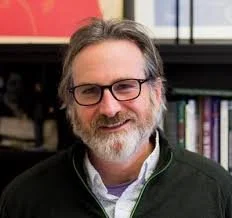
Dr. Michael Leroy Oberg, the author of Native America, is Distinguished Professor of History at SUNY-Geneseo and founder of the Geneseo Center for Local and Municipal History, which he directed from 2019 until 2022. In addition to this textbook, he has written the following works: Dominion and Civility: English Imperialism and Native America, 1585-1685 (Ithaca: Cornell University Press, 1999); Uncas: First of the Mohegans, (Ithaca: Cornell University Press, 2003); Samuel Wiseman’s Book of Record: The Official Account of Bacon’s Rebellion in Virginia, (Lanham: Lexington Books, 2005); The Head in Edward Nugent’s Hand: Roanoke’s Forgotten Indians, (Philadelphia: University of Pennsylvania Press, 2007); the first edition of Native America; Professional Indian: Eleazer Williams’s American Odyssey, (Philadelphia: University of Pennsylvania Press, 2015); and Peacemakers: The Iroquois, the United States, and the Treaty of Canandaigua, 1794, (New York: Oxford University Press, 2015). He has published, as well, articles and reviews, and has worked as a historical consultant for native communities in New York and North Carolina, as well as for the Indian Resources Section of the United States Department of Justice. He has won awards for his teaching and research in Montana and in New York, including the SUNY Chancellor’s Award for Excellence in Teaching.
Episode 39: Legally Blonde with Dr. Kristalyn Shefveland and Dr. Jennifer McCutchen
A lot of you love Legally Blonde. I mean really love Legally Blonde. So it was probably inevitable that two of my closest friends in the profession, Kristalyn Shefveland and Jennifer McCutchen, requested to do a pod on this film if only to torment me. This movie is so much more than I ever gave it credit for. We get into this film as a historical artifact, perhaps the last film of the 90s, it has so much to say about shattering glass ceilings, East Coast vs West Coast, fashion, performative perceptions, whether or not it's ok to be a fan of pop culture, and yes, why I seem to be drawn to attorneys. This pod is a blast and I hope you dig it.
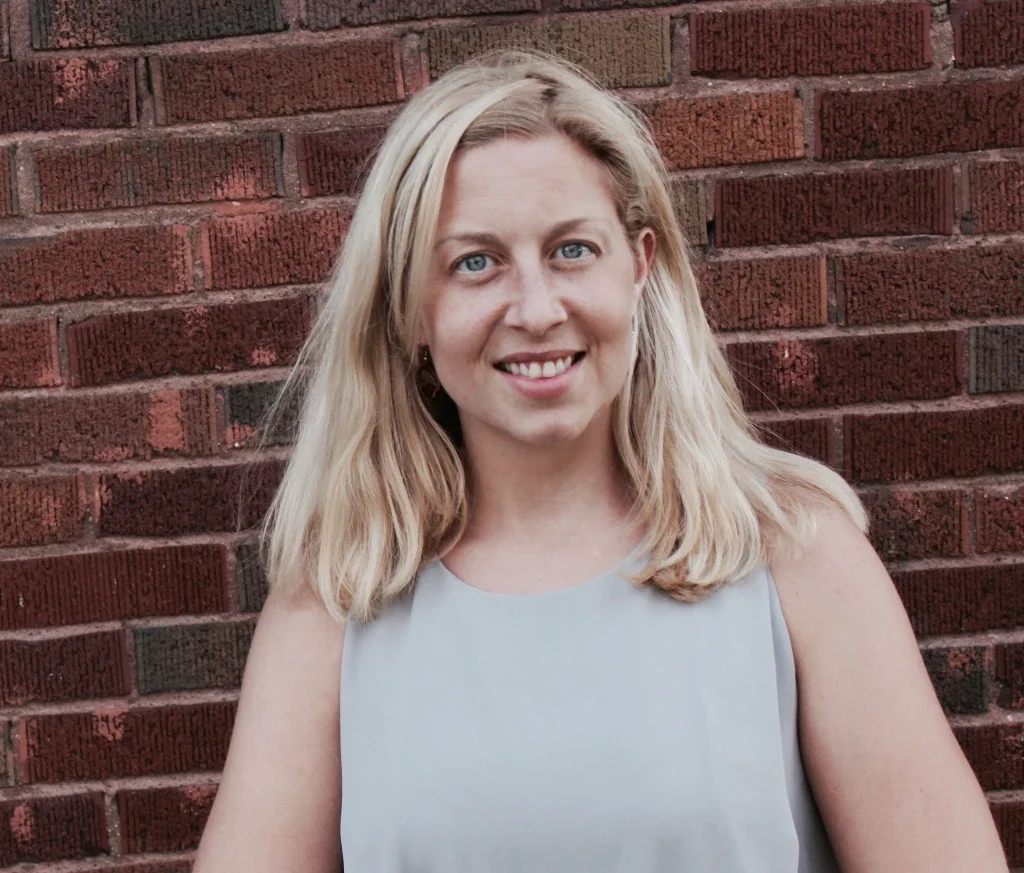
Dr. Kristalyn Shefveland is Professor of American History and an Assistant Dean of the College of Liberal Arts at the University of Southern Indiana where she is also the creator of the River Cities Oral History Project.

Dr. Jennifer McCutchen specializes in Early American History and Native History, with a focus on the themes of gender, power, exchange, and diplomacy. Her current project is an ethnohistorical study of gunpowder in the late eighteenth-century Creek Confederacy.
Episode 38: Fury with Dr. Waitman Beorn
Every now and then we get the chance to talk to a scholar with a little extra knowledge on a particular subject. In this case, Dr. Waitman Beorn drops in to talk about Brad Pitt's tank film, Fury. Waitman knows the film well, especially since he commanded a tank prior to becoming a historian. Listen in now to hear him talk not only about WWII, but his experiences serving in the Tank Corps and how the lessons learned transcended his time there. It's a fun and fascinating talk.
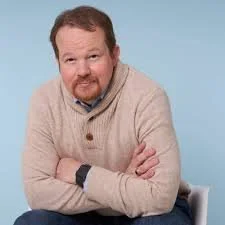
Dr. Waitman Wade Beorn is an associate professor in History at Northumbria University in Newcastle-upon-Tyne, UK. Dr. Beorn was previously the Director of the Virginia Holocaust Museum in Richmond, VA and the inaugural Blumkin Professor of Holocaust and Genocide Studies at the University of Nebraska-Omaha. His first book, Marching Into Darkness: The Wehrmacht and the Holocaust in Belarus (Harvard University Press) Dr. Beorn is also the author of The Holocaust in Eastern Europe: At the Epicenter of the Final Solution (Bloomsbury Press, 2018) and has recently finished a book on the Janowska concentration camp outside of Lviv, Ukraine. That book Between the Wires: The Janowska Camp and the Holocaust in Lviv was released in August 2024 from Nebraska University Press. Between the Wires was recognised as a Finalist for the National Jewish Book Award in the United States.
He is currently on research leave thanks to an AHRC Research, Development, and Engagement Fellowship. This fellowship supports his work on a project entitled Visualizing Janowska: Creating a Digital Architectural Model of a Nazi Concentration Camp. This interdisciplinary project will build a digital reconstruction of the Janowska concentration camp based on historical sources as most of the site is gone today. Dr. Beorn is managing a team of architects and digital modellers to accomplish this and is partnered with the Holocaust Education Trust, the Wiener Holocaust Library, the Lviv Center for Urban History, the Duke Digital Art History and Visual Culture Lab, and the Holocaust Center North.
Dr. Beorn has published work in Holocaust and Genocide Studies, Central European History, German Studies Review, Holocaust Studies: A Journal of Culture and History, Politics and Governance, and the Geographical Review in addition to chapters in several edited volumes. He has been awarded National Endowment for the Humanities, Fulbright Foundation, Harry Frank Guggenheim Foundation, and Claims Conference fellowships. He is also active in the digital humanities.
As a public-facing scholar, Dr. Beorn has published pieces in the Washington Post, The New Republic, and The Forward. He has also appeared on MSNBC, CNN, Richard French Live on WRNN, Australian Broadcasting Corporation, and TRT. He is an active contributor to public history and engagement on Twitter as well. Dr. Beorn teaches courses in Holocaust History, Comparative Genocide, German history, Eastern European history, Antisemitism, Modern European history, Public history, and Digital history.
Episode 37: Legends of the Fall with Dr. Edward O’Donnell
1994’s Legends of the Fall was one of a string of new age American western epics, featuring an ascendant Brad Pitt alongside Anthony Hopkins, Aidan Quinn, Henry Thomas, and a stunning Julia Ormond. It’s not a perfect film, but like a lot helmed by Edward Zwick, gives us a ton to talk about: American wars Indigenous people, the Gilded Age & Progressive Era, WWI, PTSD, Prohibition, and the West. There’s a lot to unpack and that’s why I invited Edward O’Donnell onboard to talk it all out.
Frequently appearing in historical documentaries on the History Channel, PBS, and Curiosity Stream. O’Donnell is also a podcaster and professor at Holy Cross College in Worcester, MA.
Episode 36: Ray with Dr. Michael Hattem
It is hard to find someone with a greater impact on American music and whose life demonstrates the complexities of the human experience than Ray Charles. This week we are joined by Michael Hattem to talk about one of the best biopics and performances I've ever seen with Ray (2004). This episode features candid discussions about the ups and downs of Ray Charles' life, how both his life and that of the United States have been shaped in memory, and a fascinating conversation about the history of African American musical traditions. I don't talk a lot in this episode, mostly because I was absolutely blown away by Michael's thoughts. I hope you like it.
Michael Hattem is an American historian, with interests in early America, the American Revolution, and historical memory. He received his PhD in History at Yale University and has taught at The New School and Knox College. He is the author of The Memory of ’76: The Revolution in American History (Yale University Press, 2024), which was a finalist for the 2025 George Washington Prize, and Past and Prologue: Politics and Memory in the American Revolution (Yale University Press, 2020). He is currently the Associate Director of the Yale-New Haven Teachers Institute.
Hattem’s work has been featured or mentioned in The New York Times, TIME magazine, The Smithsonian Magazine, the Washington Post, as well as many other mainstream media publications and outlets. He has served as a historical consultant or contributor for a number of projects and organizations, curated historical exhibitions, appeared in television documentaries, and authenticated and written catalogue essays for historical document auctions.
Episode 35: Gangs of New York with Dr. Tyler Anbinder
This week we have a guest with a keen understanding of a film: Dr. Tyler Anbinder joins us to talk about Gangs of New York, Martin Scorsese's 2002 epic that about the rise of the United States in the mid-nineteenth century. Tyler is not only an expert on the histories of New York City and of immigration, but served as an advisor for the film. He was, in this case, an actual historian at the movies. We talk about a range of topics: 19th century politics, immigration, nativism, race, the Civil War, New York, and of course, his experiences with the film itself. We also got a chance to touch on his upcoming book, and I hope to have him back on next year to talk about that. Really thrilled to have him on the podcast and I hope you dig the talk.
Tyler Anbinder is a specialist in nineteenth-century American politics and the history of immigration and ethnicity in American life. His most recent book, City of Dreams (2016), is a history of immigrant life in New York City from the early 1600s to the present. Before that, in 2001, he published Five Points, a history of nineteenth-century America's most infamous immigrant slum, focusing in particular on tenement life, inter-ethnic relations, and ethnic politics. His first book, Nativism and Slavery (1992), analyzed the role of the anti-immigrant, anti-Catholic Know Nothing party on the political crisis that led to the Civil War. Professor Anbinder has won fellowships from the National Endowment for the Humanities and held the Fulbright Thomas Jefferson Chair in American History at the University of Utrecht. He has won awards for his scholarship from the Organization of American Historians, the Columbia University School of Journalism, and the journal Civil War History. He also served as a historical consultant to Martin Scorsese for the making of The Gangs of New York. His forthcoming book, to be published in March 2024 by Little, Brown, is entitled Plentiful Country: The Great Potato Famine and the Making of Irish New York. That project's digital history component, created with research assistance from more than two dozen GW students, has already been completed and can be found at http://beyondragstoriches.org.