Episode 34: The Witch with Dr. Mikki Brock
2015's The Witch is in my mind about as scary as they come. It's also an incredible foray into the world of 17th century New England colonists and the chance to see how their fears manifested themselves in the world around them. Our guest, Mikki Brock, is no stranger to fear. She researches and teaches on the supernatural, plagues, and worst of all, the British (WOO HOO AMERICA). We talk all about this terrifying film and how Puritans conceptualized the worlds beyond, as well as exactly how one goes about talking about demon sex in class. This pod is a romp. I hope you enjoy it.
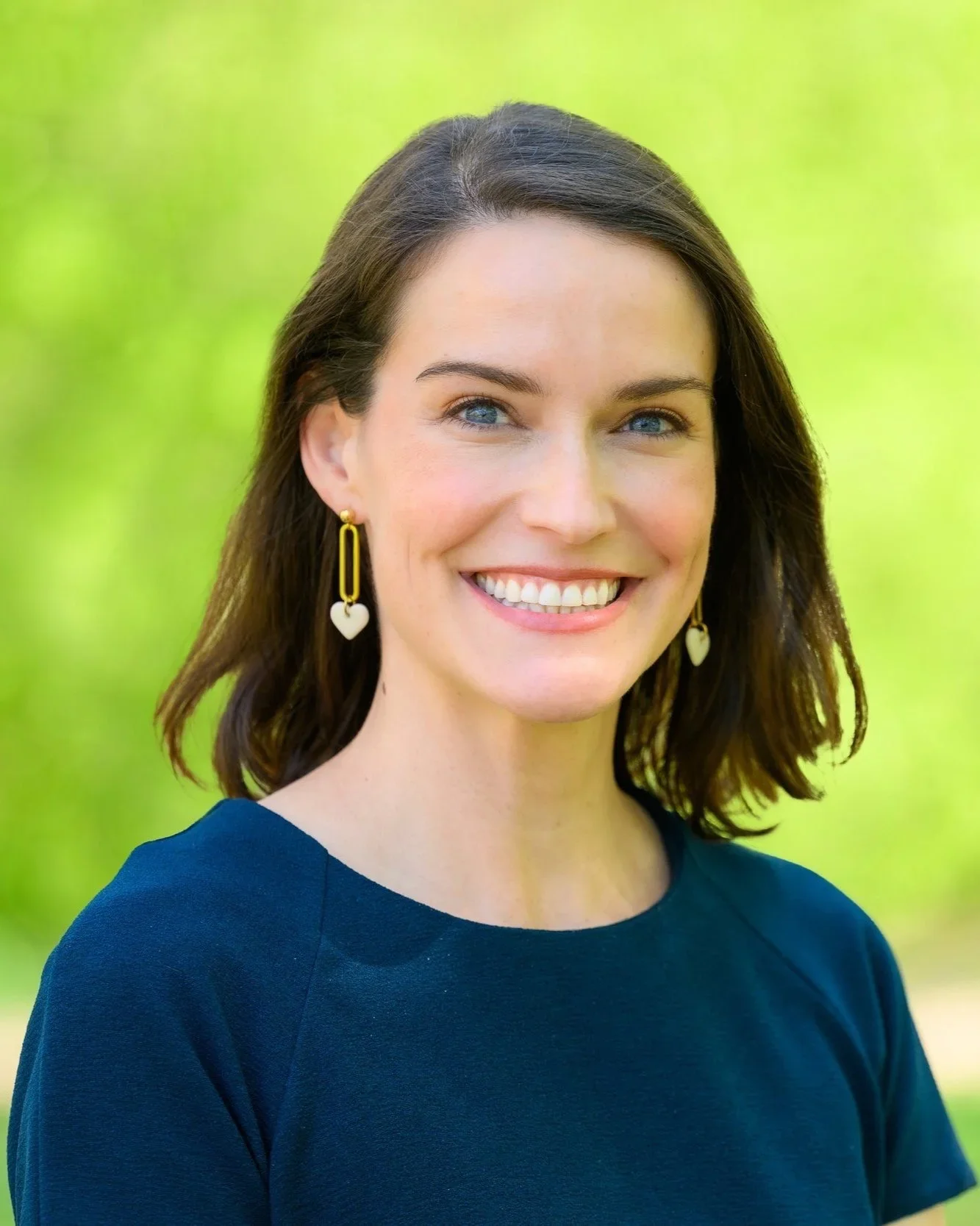
Dr. Mikki Brock is Professor of History at Washington and Lee University in Lexington, Virginia. Her research centers on questions of religious belief, gender, and identity in early modern Scotland, and sh is especially interested in
histories of the supernatural. She teaches and speaks widely on topics including demonology, witchcraft, and British history.
Episode 33: Live by Night with Dr. Sarah McNamara
2016's Live By Night was a rare miss by star and director Ben Affleck. On paper, it had everything you'd think it needed to be successful: great cast (Zoe Saldana, Chris Cooper, Chris Messina, Elle Fanning, Sienna Miller), a cool premise (mob sets up new scene during Prohibition), and a director in Affleck who has emerged as one of Hollywood's best. But it didn't quite hit.
But that doesn't mean it's not great for us. Live By Night offers the opportunity to talk about Ybor City, the "Harlem of Tampa," and a town many of you have never heard of. But you should know Ybor City. As guest Sarah McNamara shows in her new book, Ybor City: Crucible of the Latina South, the comunidad features a vibrant Cuban American culture and history all to its own, and understanding it is key to knowing both Florida and the United States. We talk about the history of Ybor City, the role of race in Cuban American communities during Jim Crow, the changing nature of womanhood in Ybor families during the early 20th century, and the differences between Tampa and Miami's Cuban communities. This is maybe the best episode we've ever done.
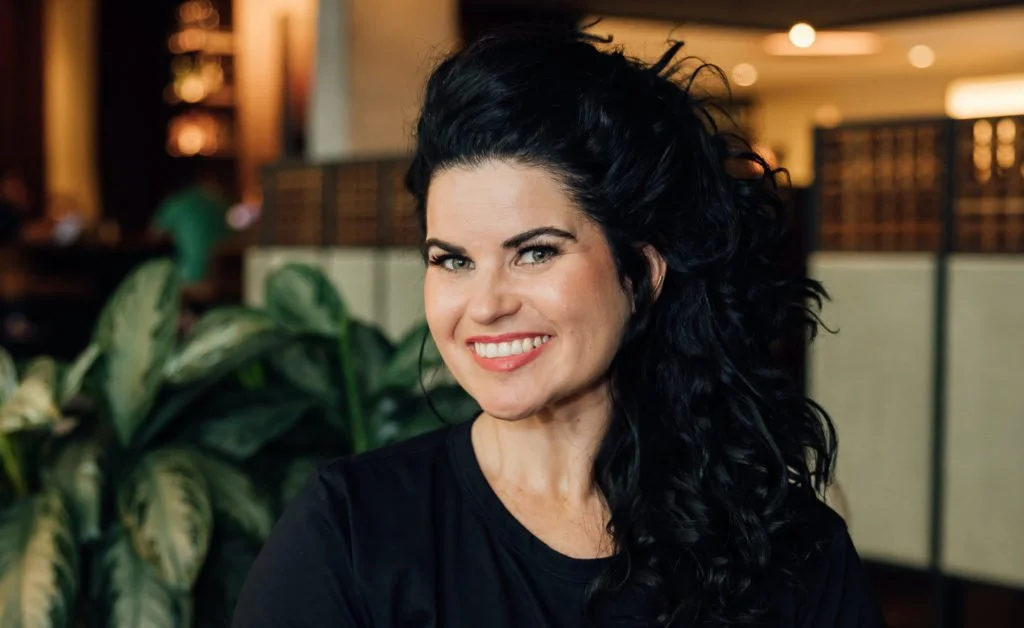
Dr. Sarah McNamara is Associate Professor of History and core faculty in the Latina/o/x & Mexican American Studies Program at Texas A&M University. McNamara’s research centers on Latinx, women and gender, immigration, and labor histories in the modern United States.
Her first book, Ybor City: Crucible of the Latina South, examines the U.S. South as a transnational, multi-racial borderland and argues that in this space gender and sexuality played a central role in the (re)making of race, community, region, and nation. Ybor City is the history of three generations of migrant, immigrant, and U.S. born Latinas and Latinos— predominantly from Cuba, the Caribbean, and the Americas—who collided in Tampa, Florida from the late nineteenth through the mid twentieth centuries. While popular narratives of the origins of Latina/o/x Florida focus on Cuban immigrants who fled the rise of Fidel Castro in the 1950s and 1960s, McNamara centers on earlier generations whose migration, labor, activism, and leftist politics established the foundation of latinidad in the sunshine state. This portrait of political shifts that defined Ybor City highlights the underexplored role of women’s leadership within movements for social and economic justice as it illustrates how people, places, and politics become who and what they are.
Episode 32: Kingdom of Heaven with Dr. David Perry, Dr. Matthew Gabriele, Dr. Thomas Lecaque, and Dr. John Wyatt Greenlee
You've been asking for this film ever since I announced there would be a podcast. Today we jump in head first to the Director's Cut of Ridley Scott's 2005 epic, Kingdom of Heaven. This is a beautiful and seriously flawed film, but it is fun to watch. I decided that a film this big needed an army of historians, so I invited back HATM Podcast alums David Perry, Matthew Gabriele, John Wyatt Greenlee to talk all things Crusades. We talk about the film's strengths and its flaws, and dive deep to discuss things that matter, such as how to see this film as a response to 9/11 and exactly how many orcas would it take to fight Liam Neeson.
David M. Perry is a journalist and historian. He is the co-author of Oathbreakers and The Bright Ages: A New History of Medieval Europe, both from HarperCollins. Publishers Weekly is calling Oathbreakers “An enlightening portrait of the medieval mindset” while The Boston Globe said The Bright Ages was “incandescent and ultimately intoxicating.”
Over the last few years, Perry’s work on history, parenting, disability, and politics has appeared in The New York Times, The Washington Post, The Nation, The Daily Beast, Smithsonian, Slate, CNN, and many others.
Perry was a professor of Medieval History at Dominican University from 2006-2017. His scholarly work focuses on Venice, the Crusades, and the Mediterranean World. He’s the author of Sacred Plunder: Venice and the Aftermath of the Fourth Crusade (Penn State University Press, 2015). Now he works for the University of Minnesota, convincing students that studying history is good for them and good for their careers (it is!).
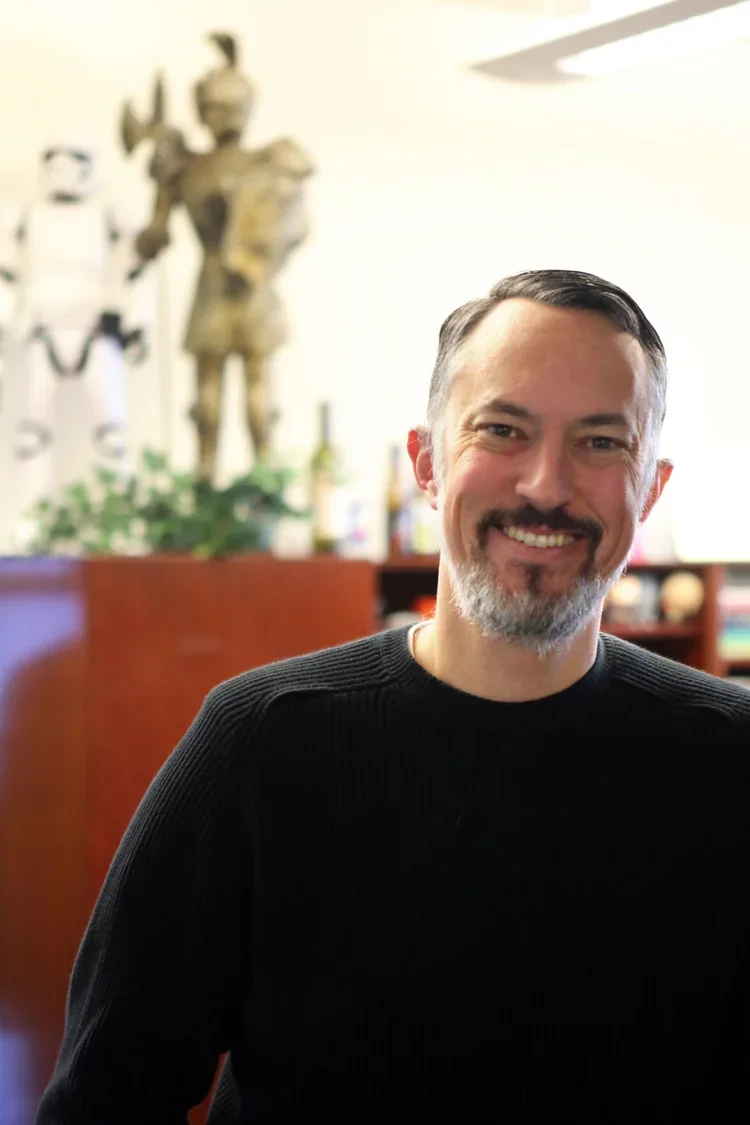
Dr. Matthew Gabriele is Professor of Medieval Studies at Virginia Tech University. His research and teaching focus on ideas of religion and violence, as well as nostalgia and apocalypse, focused on the European Middle Ages and how that period has been remembered by subsequent generations. He currently teaches at Virginia Tech.
He has published several scholarly books and numerous peer-reviewed articles, which have led to invited talks given to universities across the United States, and he has also presented his research at universities in England, Scotland, Germany, France, and the Netherlands. In 2010, he was a visiting researcher at Westfälische Wilhelms Üniversität-Münster, and in 2023 he was the Donald J. Bullough Fellow in Mediaeval History at the University of St. Andrews, UK.
His public writing has appeared in such places as The Washington Post, Time, CNN, Slate, and MSNBC. He was between 2018-19 a columnist for Forbes, and was a columnist for Smithsonian Magazine between 2020-21. He has appeared as an expert on the History Channel and NPR, and other interviews with him on radio, podcasts, and TV have aired locally, nationally, and internationally.

Dr. Thomas Lecaque is an Associate Professor of History at Grand View University. He has a Ph.D. in Pre-Modern European History from the University of Tennessee, an M.A. in English with a focus on Old English and Anglo-Norman literature from Truman State University, and a B.A. (also from Truman) in History with minors in Philosophy & Religion and English. His research has moved on to looking at the same language of religious violence and apocalypticism and its impact on other time periods and events. His current project looks at the rhetoric of holy war across languages and denominations in the wars of empire between England and France and numerous Native polities in the northeastern section of the United States. I also work on expressions of these sentiments in contemporary America, largely via public essays in places like The Washington Post, Foreign Policy, The Bulwark, Religious Dispatches, and the History News Network.
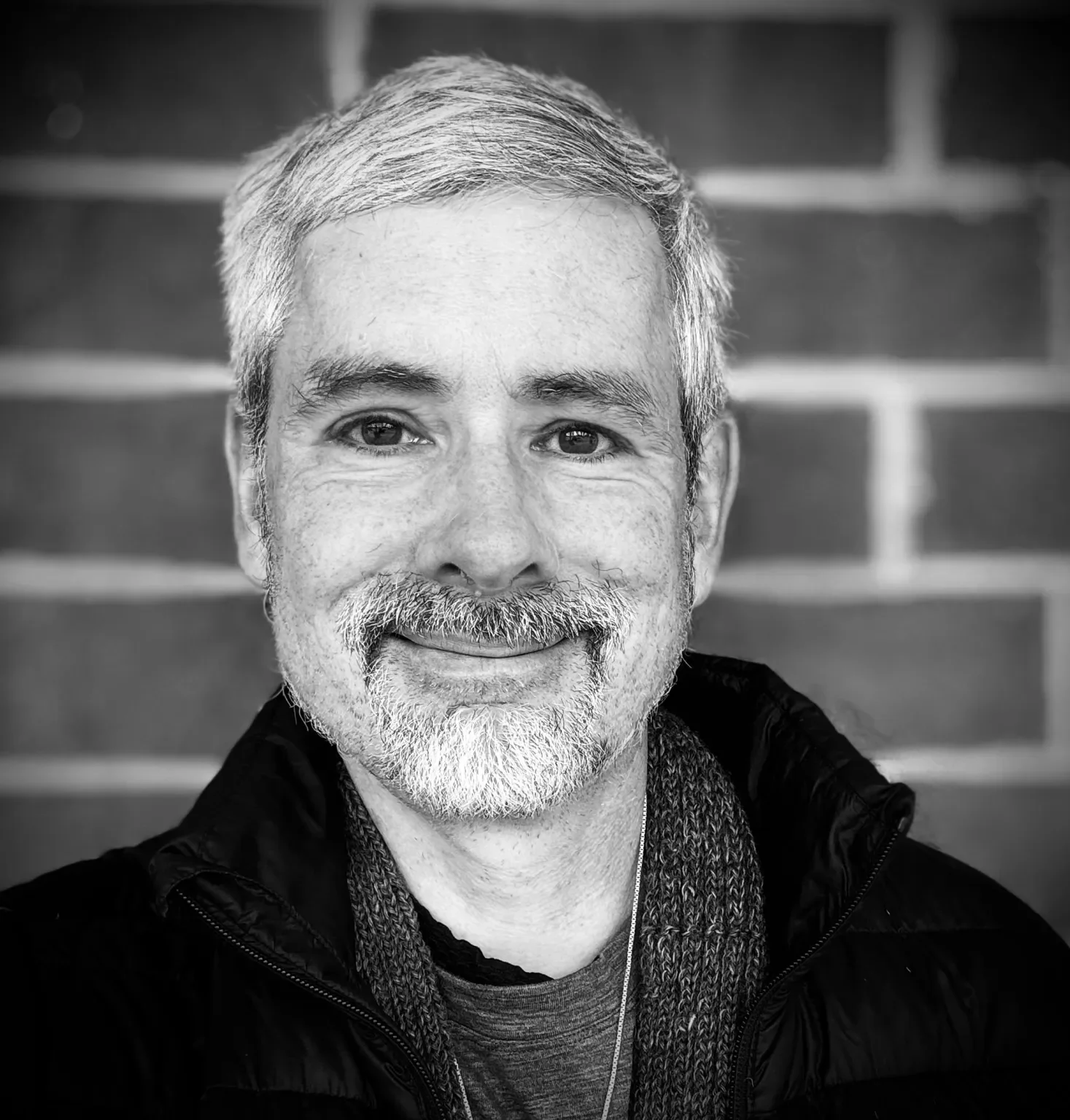
Dr. John Wyatt Greenlee is a medievalist and a cartographic historian, as well as a historian of roads and pathways and pilgrimage. But he is best well known for my work on the role of eels in pre-modern England from the tenth through the seventeenth centuries. He is heavily engaged in outreach and public engagement to make the eel history more widely known, and to raise awareness for the role of eels as an endangered species. His work with eels and eel history has been profiled in TIME, The Guardian, Atlas Obscura, Hakai Magazine, and The New Yorker.
Episode 31: Perfect with Natalia Mehlman Petrzela
It's summertime and that means busting out those beach bodies! This week Natalia Mehlman Petrzela drops in to talk about the creation of the modern fitness world beginning in the early 1980s and seen onscreen with the John Travolta and Jamie Lee Curtis film, Perfect (1985). Natalia and I talk about her new book FIT NATION: The Gains and Pains of America’s Exercise Obsession along with how social media continues to transform the way we look at bodies (and ourselves) and even how academics present their sexuality through fitness online. This is such a great conversation. I hope you like it.

Dr. Natalia Mehlman Petrzela is a historian of contemporary American politics and culture. She is the author of CLASSROOM WARS: Language, Sex, and the Making of Modern Political Culture (Oxford University Press, 2015), and FIT NATION: The Gains and Pains of America’s Exercise Obsession (University of Chicago Press, 2023). She is Executive Producer and host of the podcast EXTREME (BBC/Novel) and host of WELCOME TO YOUR FANTASY ( Pineapple Street Studios/Gimlet). She is a columnist for MSNBC, a frequent media guest expert, public speaker, and contributor to outlets including the New York Times, Wall Street Journal, Washington Post, and Atlantic.
Natalia is a Carnegie Corporation Fellow and a recipient of a National Endowment for the Humanities Public Scholars Grant. She is currently working on two new books, a short history of the school culture wars, and a history of the Hamptons, with historian Neil J. Young. She is executive producer of a documentary series based on FIT NATION, in development with TIME Studios. Natalia began her career as a public school teacher, and she is currently Lead Historian on the Jewish American Hidden Voices curriculum for the New York City Department of Education, forthcoming in 2025.
Natalia is Professor of History at The New School, co-founder of the wellness education program Healthclass 2.0, and a Premiere Leader of the mind-body practice intenSati. Her work has been supported by the Spencer, Whiting, Rockefeller, and Mellon Foundations, the Carnegie Corporation, and the National Endowment for the Humanities. She holds a B.A. from Columbia and a Ph.D. from Stanford and lives in New York City.
Episode 30: Far and Away with Dr.Lindsay Stallones Marshall
This week Lindsay Marshall jumps in to talk about the Tom Cruise and Nicole Kidman epic-that-wasn't: Far and Away (1992). This is an awesome talk. We talk about the process of interviewing and getting hired at a university, the myth of Irish slavery, the West on film. Lindsay is a former high school teacher so we get into the difficulties of teaching at that level and why AP US History is an absolute dumpster fire. This is a great episode.
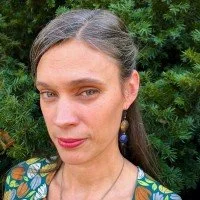
Dr. Lindsay Marshall is an Assistant Professor of History and affiliated faculty with Native American Studies. She earned her PhD in History at the University of Oklahoma and MA in Liberal Arts from Stanford University. Before coming to higher education, Dr. Marshall spent eleven years teaching high school history/social science in California.
Episode 29: Batman with Dr. Blake Scott Ball
This week marks the return of Michael Keaton to the big screen as Batman in The Flash. So I thought it was an opportune time to revisit Batman (1989) with Blake Scott Ball. This is a large episode--the longest we've released yet, and for good measure. We get into why Batman is a necessary addition to the superhero pantheon, what happens if Gotham is in Mississippi, and finally, we rank all of the Batmen. This episode is so much fun.
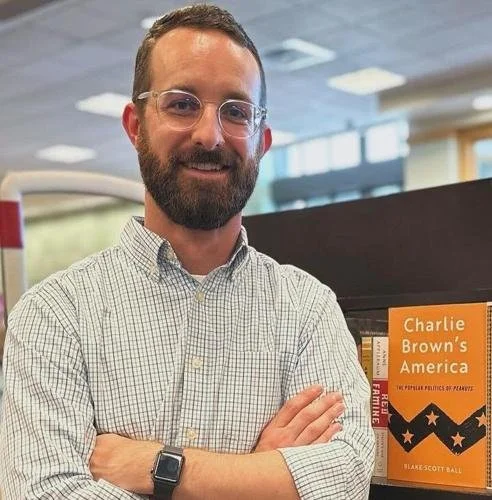
Blake Scott Ball is the author of the Amazon best-selling book Charlie Brown's America: The Popular Politics of Peanuts. He is Associate Professor of History at the University of North Alabama.
Episode 28: Jurassic Park with Dr. Elizabeth Jones
This week marks the 30th anniversary of the release of Jurassic Park, a movie that both plays with history and made history. Like Jaws and Star Wars before it, Jurassic Park changed what we thought was possible in movie theaters while commenting on our fascination with the pre-human past. I asked Dr. Elizabeth Jones, author of Ancient DNA: The Making of a Celebrity Science (on sale from Amazon right now) to come on the show to talk about how Jurassic Park changed the science of paleontology and just why that velociraptor scene in the kitchen is so damn good.
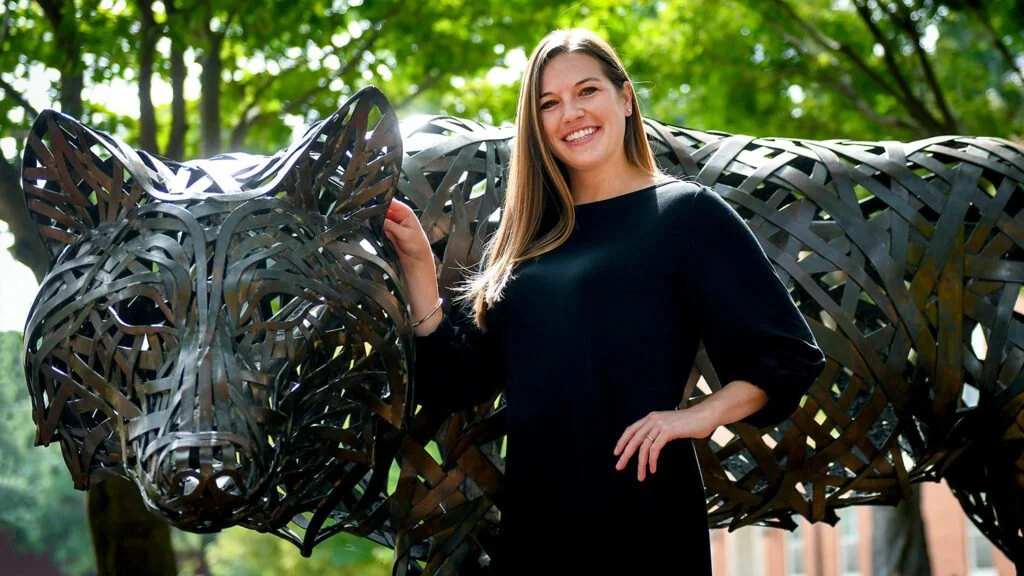
Dr. Elizabeth Jones is a science historian, researcher, educator, speaker, and author.
Currently, she is the Project Manager for Cretaceous Creatures in the Paleontology Research Lab at the NC Museum of Natural Sciences and a Postdoctoral Researcher in the Department of Biological Sciences at NC State University. Cretaceous Creatures is a new public science project that directly engages teachers and students in discovering and identifying fossils from the Hell Creek Formation in Montana. In partnership with Bank of America, Cretaceous Creatures is the largest paleontology public science project and is part of the Dueling Dinosaur research program.
Jones' first book, "Ancient DNA: The Making of a Celebrity Science," was published by Yale University Press in 2022. "Ancient DNA" reveals the untold story of the rise of a new scientific field, ancient DNA research, and how Jurassic Park and popular media influenced its development. Her next book, tentatively titled, "A Bone to Pick: Buying and Selling Dinosaur Fossils," seeks to understand the history and controversy of the commercial collection of dinosaur specimens across in the United States throughout the twentieth and early twenty-first centuries.
Jones has degrees in the History, Philosophy, and Sociology of Science from North Carolina State University, Florida State University, and University College London. Throughout her career, she has had first-hand experience working with paleontologists and geneticists in both the field and the lab. Her work in international and interdisciplinary institutions such as museums and universities has trained her as a researcher, writer, and speaker for both professional and public audiences.
Episode 27: Once Upon A Time in Hollywood with Dr. Jeffrey Melnick
This episode may be the very epitome of why I started this podcast. This week I'm joined by my friend Jeff Melnick to talk about an absolutely batshit film called Once Upon a Time in Hollywood. Jeff is the perfect guy to talk about this movie; he wrote a terrific book about the Manson murders called Charles Manson's Creepy Crawl: Inside the Lives of America's Most Infamous Family. But that only hints at what's inside this episode. Using this movie, Jeff and I get into all sorts of dialogue about pop culture, the conflicts in Florida, hip hop, course design, anti-fandom, and yes, Hootie and the Blowfish. I think you're gonna love this episode.

Dr. Jeffrey Melnick has been thinking about the Manson Family since first encountering the book and miniseries Helter Skelter in the 1970s. Melnick is a professor at University of Massachusetts Boston and the author of 9/11 Culture: America Under Construction (Wiley-Blackwell, 2009), Black-Jewish Relations on Trial (University Press of Mississippi, 2000), and A Right to Sing the Blues (Harvard University Press, 1999).
Episode 26: Con Air with Dr. Kathleen Belew
This week Dr. Kathleen Belew joins us to talk about maybe the most '90s action movie ever made, Con Air. We get into everything on this film, including Kathleen's work on white power and paramilitary movements in the United States, the cultural production of the South, Nicolas Cage as an action star, and yes, maybe the worst Southern accent in history. This movie has it all.
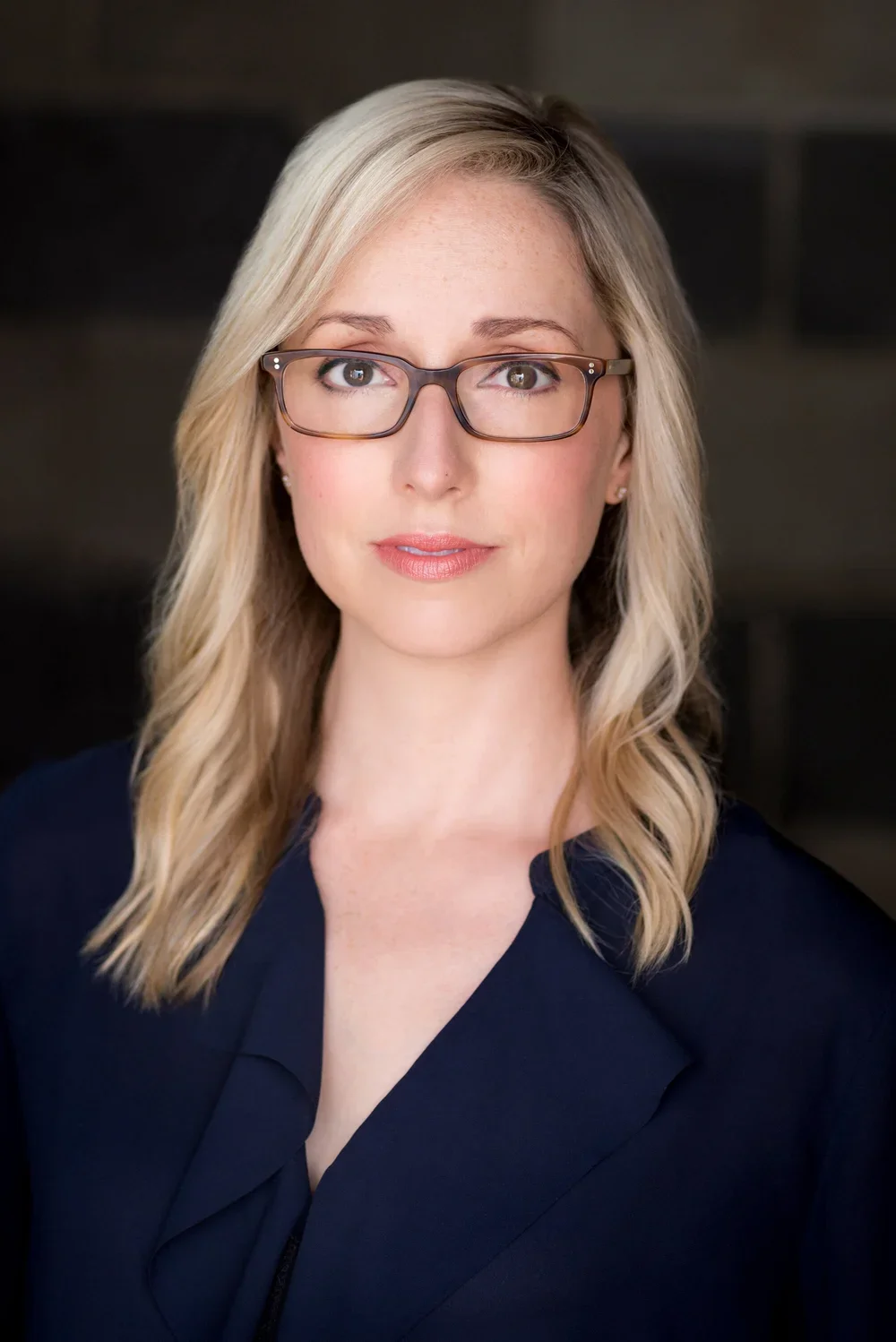
Dr. Kathleen Belew is an Associate Professor of History at Northwestern University. She earned tenure at the University of Chicago in 2021, where she spent seven years. Her research has received the support of the Chauncey and Marion Deering McCormick Foundation, the Andrew W. Mellon Foundation, and the Jacob K. Javits Foundation. Belew earned her BA in the Comparative History of Ideas from the University of Washington, where she was named Dean’s Medalist in the Humanities. She earned a doctorate in American Studies from Yale University. Belew has held postdoctoral fellowships from the Center for Advanced Study in the Behavioral Sciences at Stanford University (2019-20), Northwestern University, and Rutgers University. Her award-winning teaching centers on the broad themes of history of the present, conservatism, race, gender, violence, identity, and the meaning of war.
She specializes in the history of the present. She spent ten years researching and writing her first book, Bring the War Home: The White Power Movement and Paramilitary America (Harvard, 2018, paperback 2019). In it, she explores how white power activists created a social movement through a common story about betrayal by the government, war, and its weapons, uniforms, and technologies. By uniting Ku Klux Klan, neo-Nazi, skinhead, and other groups, the movement mobilized and carried out escalating acts of violence that reached a crescendo in the 1995 bombing of Oklahoma City. This movement was never adequately confronted, and remains a threat to American democracy.
Her next book, Home at the End of the World, illuminates our era of apocalypse through a history focused on her native Colorado where, in the 1990s, high-profile kidnappings and murders, right-wing religious ideology, and a mass shooting exposed rents in America’s social fabric, and dramatically changed our relationship with place, violence, and politics (Random House).
Belew has spoken about Bring the War Home in a wide variety of places, including The Rachel Maddow Show, The Last Word With Lawrence O’Donnell, AC 360 with Anderson Cooper, Frontline, Fresh Air, and All Things Considered. Her work has featured prominently in documentaries such as Homegrown Hate: The War Among Us (ABC) and Documenting Hate: New American Nazis (Frontline).
Episode 25: The Thirteenth Warrior with Dr. John Wyatt Greenlee and Dr. Thomas Lecaque
For our 25th episode, we have only one question: IS THERE A CAVE?
This week we are joined by two scholars ready to get medieval on us all: Thomas Lecaque and John Wyatt Greenlee. We're celebrating the great epic that wasn't: The 13th Warrior. This movie is so good and so bad at the same time that it's hard to quantify. But we're gonna do it anyway. We're talking Vikings, the Abassid Empire, man-bears, and maybe the greatest language scene in film history. Grab some mead, because it's made from honey, just like this podcast.
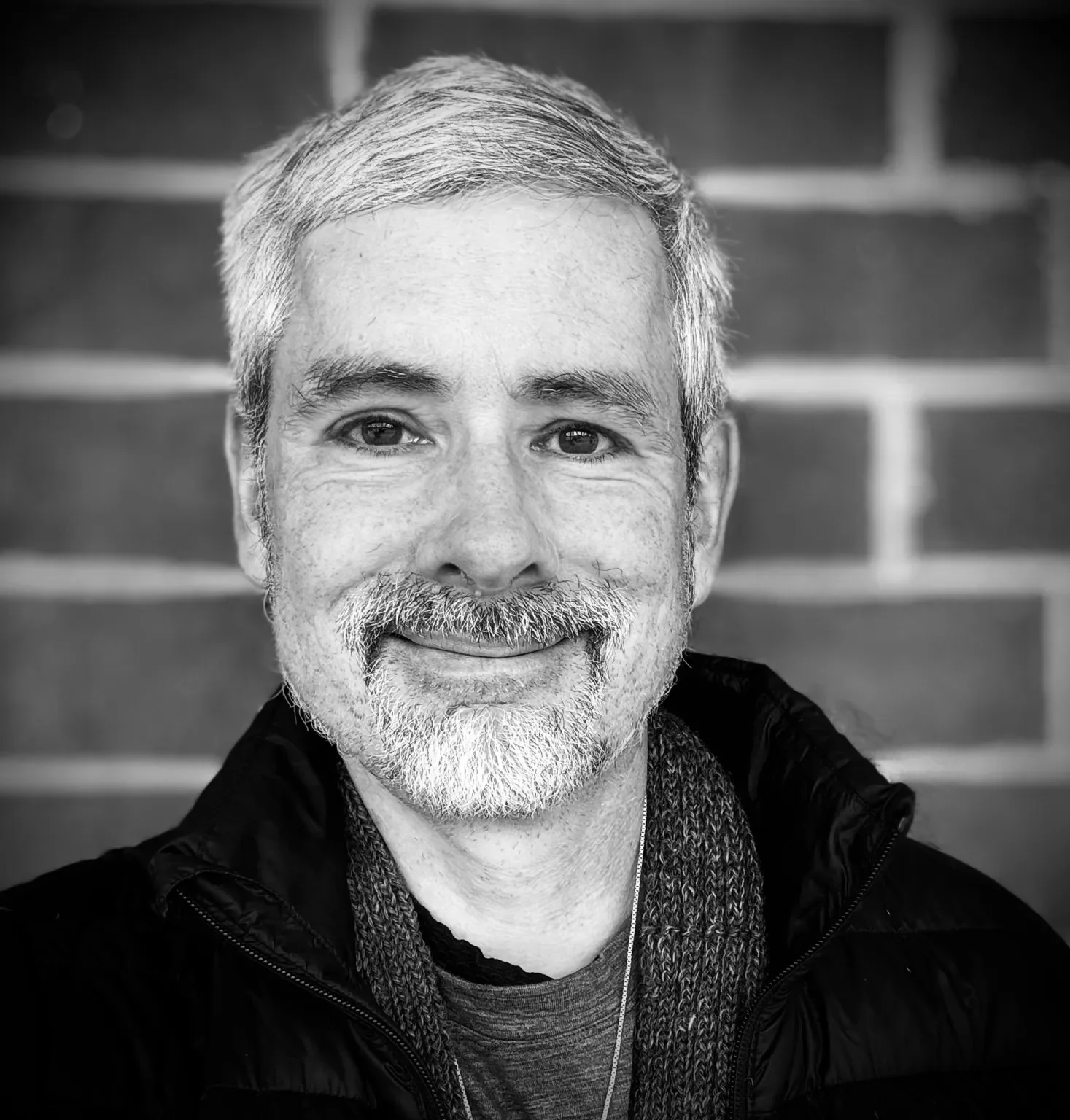
Dr. John Wyatt Greenlee is a medievalist and a cartographic historian, as well as a historian of roads and pathways and pilgrimage. But he is best well known for my work on the role of eels in pre-modern England from the tenth through the seventeenth centuries. He is heavily engaged in outreach and public engagement to make the eel history more widely known, and to raise awareness for the role of eels as an endangered species. His work with eels and eel history has been profiled in TIME, The Guardian, Atlas Obscura, Hakai Magazine, and The New Yorker.
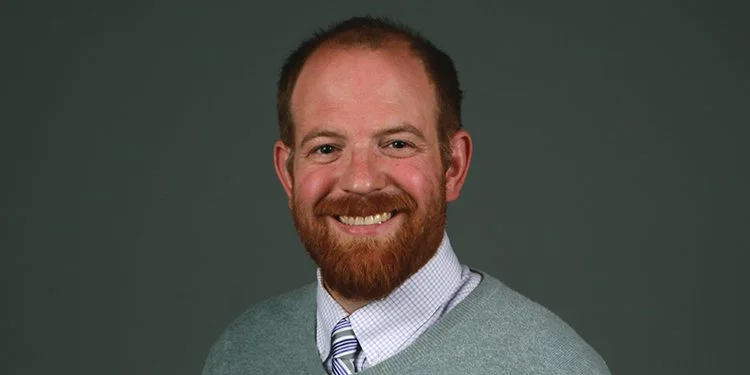
Dr. Thomas Lecaque is an Associate Professor of History at Grand View University. He has a Ph.D. in Pre-Modern European History from the University of Tennessee, an M.A. in English with a focus on Old English and Anglo-Norman literature from Truman State University, and a B.A. (also from Truman) in History with minors in Philosophy & Religion and English.
His research has moved on to looking at the same language of religious violence and apocalypticism and its impact on other time periods and events. His current project looks at the rhetoric of holy war across languages and denominations in the wars of empire between England and France and numerous Native polities in the northeastern section of the United States. He also works on expressions of these sentiments in contemporary America, largely via public essays in places like The Washington Post, Foreign Policy, The Bulwark, Religious Dispatches, and the History News Network.
Episode 24: Old School with Dr. Lauren Lassabe Shepherd
This week Dr. Lauren Lassabe Shepherd swings by to talk about why we love college and why some of us just can't seem to grow up. We get into the production of her forthcoming book, the process of creating oral histories, and perhaps surprising roles that Greek life now perform in the lives of college students.

Lauren Lassabe Shepherd is a historian of American colleges and universities. She is a frequent commenter on podcasts, radio, and TV. Shepherd hosts the weekly American Campus Podcast and is author of Resistance from the Right: Conservatives and the Campus Wars (University of North Carolina Press, 2023).
Shepherd has been named by Diverse: Issues in Higher Education as part of its Class of 2024 leading women in the field of higher education. Her work and commentary have been featured in The Chronicle of Higher Education, The Guardian, New York Times, BBC News, Times Higher Education, Sky News, Washington Post, The Atlantic, TIME Magazine, NPR, POLITICO, Slate, Vox, The Nation, Teen Vogue, Jacobin, News Nation, The Hill, The Conversation, and other US and international outlets.
Shepherd is a community scholar affiliate of Indiana University and the Society for US Intellectual History.
Episode 23: Platoon with Dr. Rob Thompson
This week Reckoning welcomes Dr. Rob Thompson to the show to talk about Oliver Stone's Platoon, the legacy of the Vietnam War in the United States, and the best movies about the conflict. Rob's a cool dude and we had a great discussion.
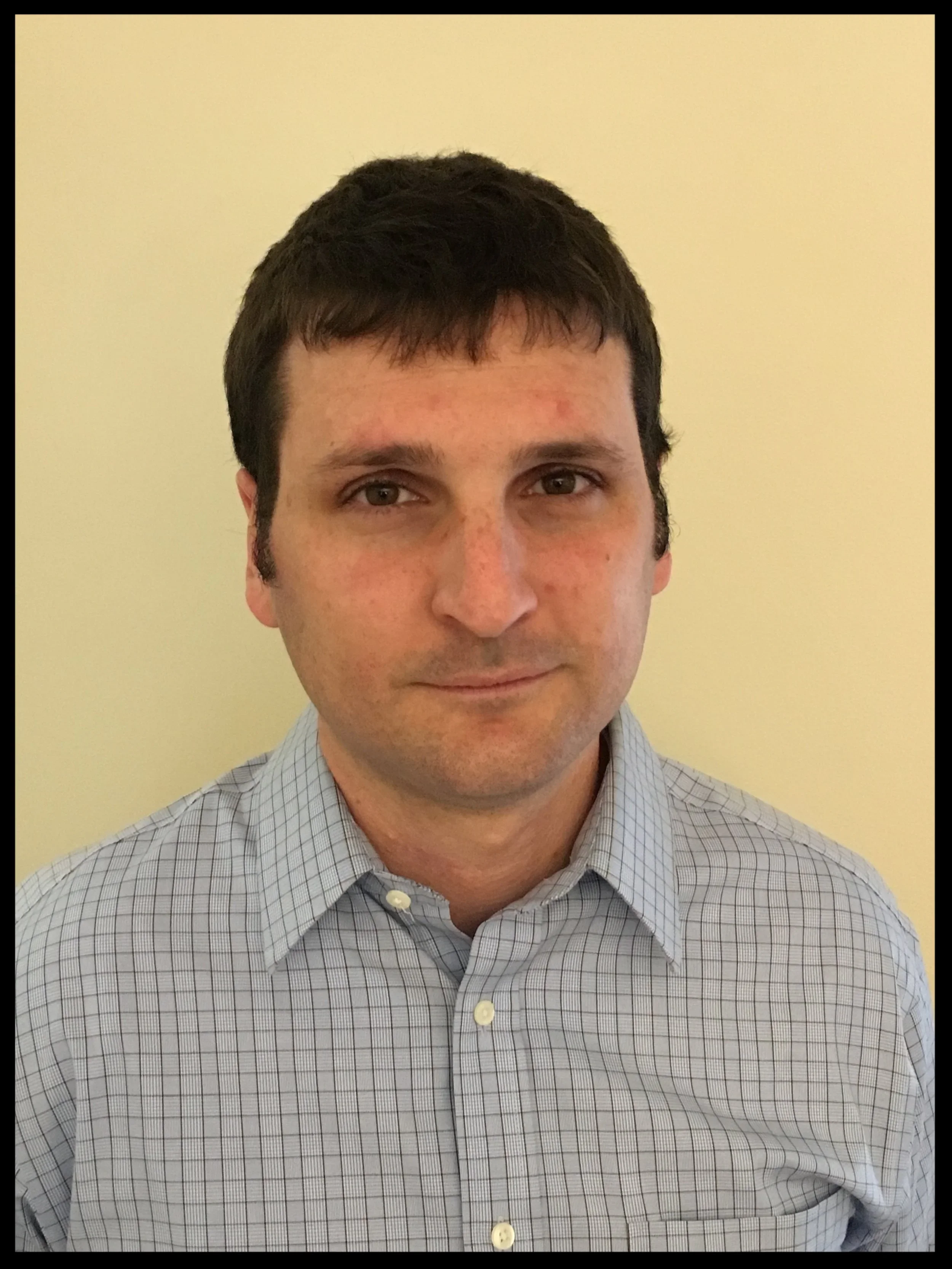
Rob Thompson has a Ph.D. in American history from the University of Southern Mississippi. He specializes in the study of the Vietnam War, with a focus on the confluence of conventional warfare and pacification at the province level. His research placed American strategy in the context of a single province—Phú Yên. He is also familiar with the history of American diplomacy and the history of Modern Europe. Before studying history in Hattiesburg, Mississippi, he completed an MA at Wilfrid Laurier University in lovely Waterloo, Ontario and my BA near the ocean at Virginia Wesleyan College, now University. He is presently a historian with the Films Team at Army University Press at Fort Leavenworth, Kansas.
Episode 22: Star Trek VI: The Undiscovered Country with Dr. Robert Greene II and Eric Leonard
This week we are joined by Robert Greene II and Eric Leonard to do a deep dive into Star Trek VI: The Undiscovered Country. We'll get into what the film has to say about the end of the Cold War, the process of aging, and the rivalry between the OG and Next Generation crews. Plus, we rank the best and worst of all things Star Trek. Rob and Eric are two of the historians who know Star Trek better than almost anyone alive and this is an awesome podcast for anyone who is a fan of the series.

Assistant Professor of History Dr. Robert Greene II Dr. Greene received his Bachelor of Arts in Writing and Linguistics with a concentration in Creative Writing from Georgia Southern University; his Master of Arts in History from Georgia Southern University; and earned his Ph.D. in History from the University of South Carolina, Columbia. Dr. Greene recently completed his dissertation at the University of South Carolina, about the ways in which Democratic Party leaders in the South from 1964 to 1994 vied for the African American vote via appeals to Southern identity and memory of the Civil Rights Movement. Mr. Greene has published a book chapter in the collection Navigating Souths, and has published a scholarly article in Patterns of Prejudice. He has also published at several popular magazines and websites, including The Nation, Jacobin, Dissent, Scalawag, Current Affairs, and Jacobin.His research interests include African American history, American intellectual history since 1945, and Southern history since 1945. Dr. Greene is also a blogger and book review editor for the Society of U.S. Intellectual Historians, and has just begun a six-post stint for the Teaching American History blog.
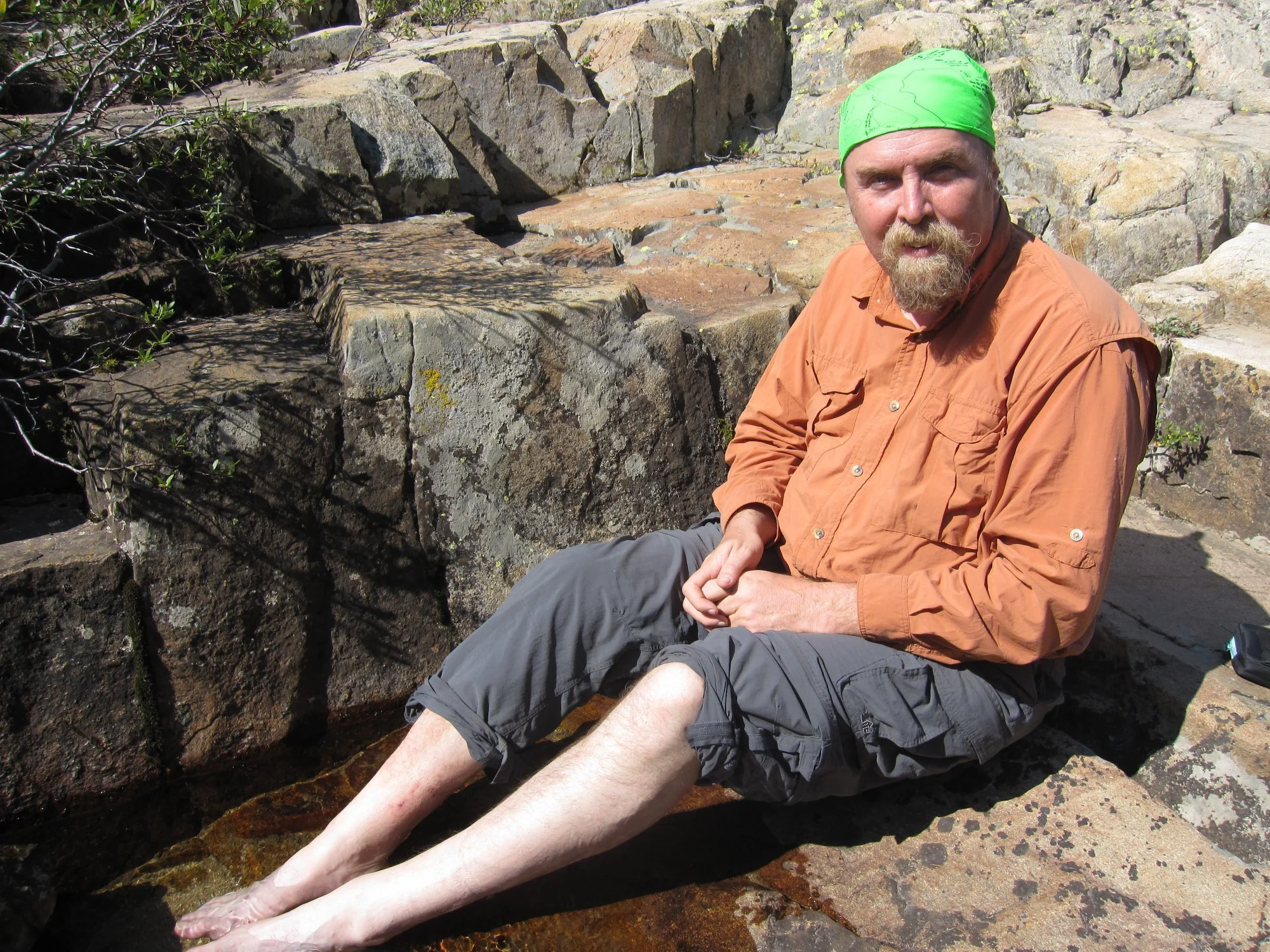
Eric Leonard Leonard has more than 25 years of National Park Service experience.
Episode 21: Carrie with Dr. Rachel Gunter and Nicole Donawho
This week guests Rachel Gunter and Nicole Gunter join me to talk about whether or not Carrie is a high school film, what Stephen King has to say about women, and whether or not the remake stands up to the original.
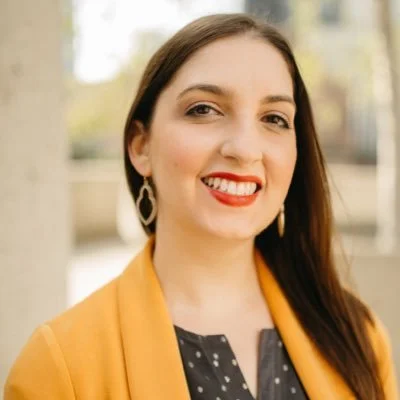
Rachel Michelle Gunter received her Ph.D. in history from Texas A&M University in 2017 and is a Professor of History at a community college in North Texas. Her research focuses on the woman suffrage movement and its effects on the voting rights of other groups including immigrants, servicemen, WWI veterans, Mexican Americans and African Americans. She is currently working on a book manuscript, Suffragists, Soldiers, and Immigrants: Drastic Changes to Voting Rights in the Progressive Era.
Nicole Donawho is a Professor of History at a community college in North Texas. She specializes in dual credit and history pedagogy. Her main non-academic interests are Star Trek, tattoos, and dogs.
Episode 20: Dirty Harry with Dr. Drew McKevitt
This week Drew McKevitt and I talk about Clint Eastwood's vigilante cop, Dirty Harry Callahan. We get into the rise of gun culture in the United States, Dirty Harry as a response to the counter culture revolution of the 1960s, and ultimately recast Dirty Harry for our current age. I haven't laughed this hard in a long time.
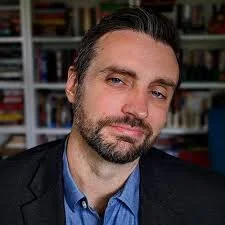
Dr. Drew McKevitt is the John D. Winters Endowed Professor of History at Louisiana Tech University.
His new book is Gun Country: Gun Capitalism, Culture, and Control in Cold War America.
His first book was Consuming Japan: Popular Culture and the Globalizing of 1980s America.
For more details on my research and writing, please see my publications.
He teaches undergraduate and graduate classes at Louisiana Tech on many subjects. He works with graduate students on graduate theses and comprehensive exams in the field of U.S. foreign relations history.
First Read: My Thoughts on Upcoming Star Wars and Indiana Jones
Tons of news coming out of Star Wars Celebration in London today and I'm going to attempt to give some quick thoughts on where I see the Star Wars and Indiana Jones franchises going. We're talking Ahsohka, Dawn of the Jedi, the new film starring Daisy Ridley, Grand Admiral Thrawn, and Indiana Jones and the Dial of Destiny.
Episode 19: Rocky 1v with Dr. Craig Bruce Smith and Dr. Robert Greene II
Did Rocky Balboa end the Cold War? More importantly, who won the war for 1980s hearts and minds between Arnold Schwarzenegger and Sylvester Stallone? We get into all of that with HATM Podcast veterans Craig Bruce Smith and Robert Greene II.
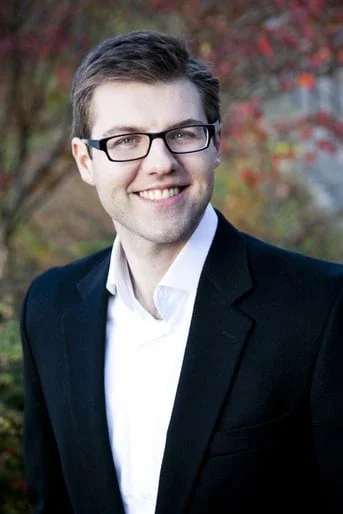
Craig Bruce Smith is an associate professor of history at National Defense University in the Joint Advanced Warfighting School (JAWS) in Norfolk, VA. He authored American Honor: The Creation of the Nation’s Ideals during the Revolutionary Era and co-authored George Washington’s Lessons in Ethical Leadership.
Smith earned his PhD in American history from Brandeis University. Previously, he was an associate professor of military history at the U.S. Army School of Advanced Military Studies (SAMS), an assistant professor of history, and the director of the history program at William Woods University, and he has taught at additional colleges, including Tufts University. He specializes in American Revolutionary and early American history, specifically focusing on George Washington, honor, ethics, war, the founders, transnational ideas, and national identity. In addition, he has broader interests in colonial America, the early republic, leadership, and early American cultural, intellectual, and political history.
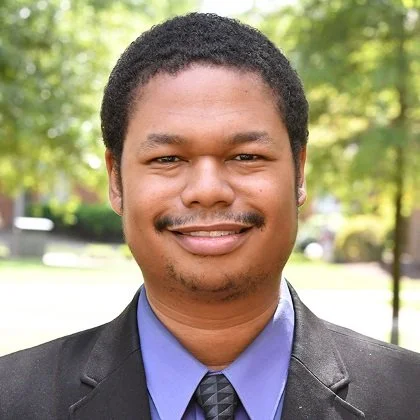
Assistant Professor of History Dr. Robert Greene II Dr. Greene received his Bachelor of Arts in Writing and Linguistics with a concentration in Creative Writing from Georgia Southern University; his Master of Arts in History from Georgia Southern University; and earned his Ph.D. in History from the University of South Carolina, Columbia. Dr. Greene recently completed his dissertation at the University of South Carolina, about the ways in which Democratic Party leaders in the South from 1964 to 1994 vied for the African American vote via appeals to Southern identity and memory of the Civil Rights Movement. Mr. Greene has published a book chapter in the collection Navigating Souths, and has published a scholarly article in Patterns of Prejudice. He has also published at several popular magazines and websites, including The Nation, Jacobin, Dissent, Scalawag, Current Affairs, and Jacobin.His research interests include African American history, American intellectual history since 1945, and Southern history since 1945. Dr. Greene is also a blogger and book review editor for the Society of U.S. Intellectual Historians, and has just begun a six-post stint for the Teaching American History blog.
Episode 18: Oh Brother, Where Art Thou? with Dr. Christopher Hodson
This week, Reckoning tackles the Acadian Diaspora, the Great Depression, the Odyssey, the Old South, the West, and the greatest Coen Brothers films of all time. Seriously, is there anything we don't cover in this episode?
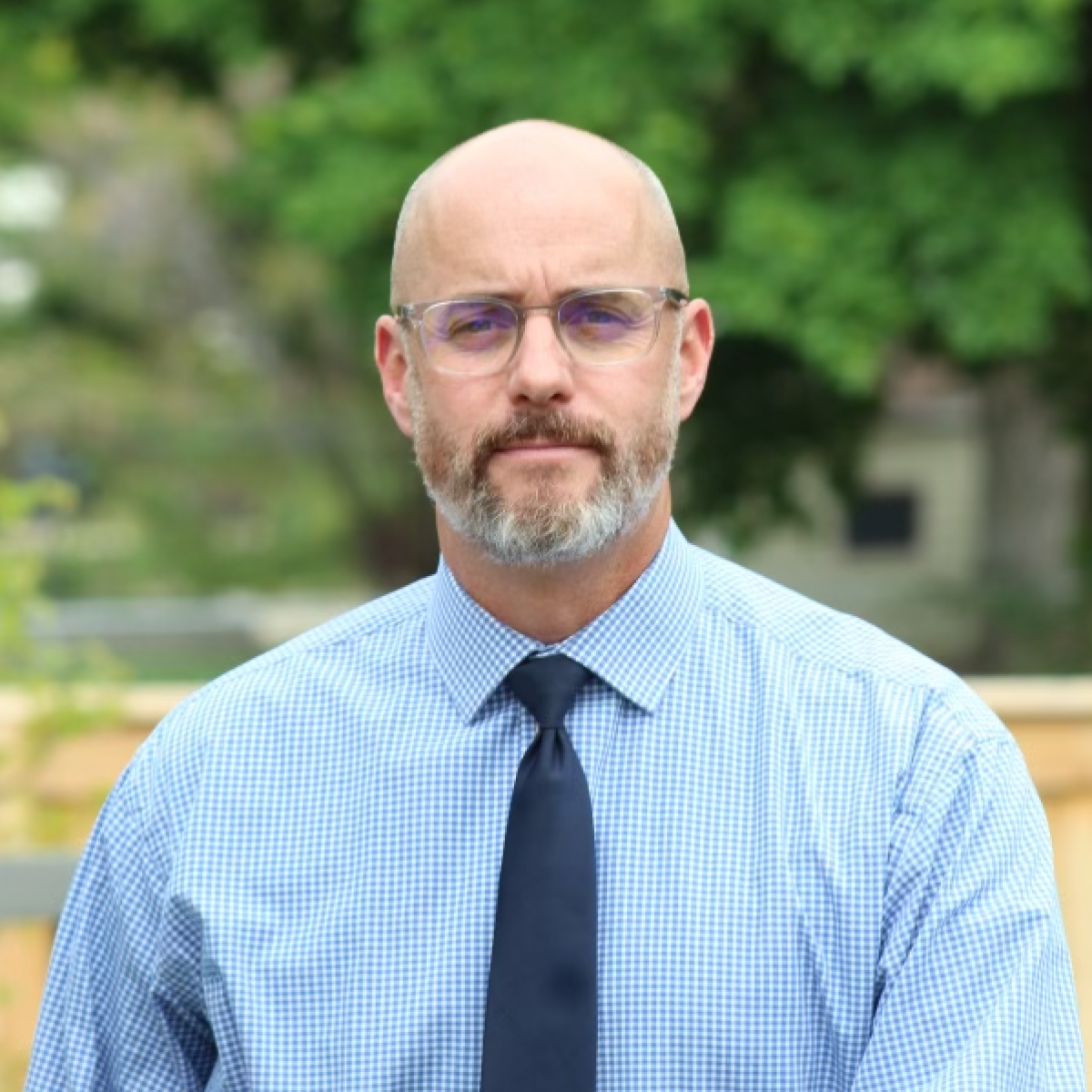
Dr. Christopher Hodson (PhD., Northwestern University, 2004) is a historian of early America and the early modern Atlantic world. He is the author of The Acadian Diaspora: An Eighteenth-Century History (Oxford, 2012) and essays in the William and Mary Quarterly, French Historical Studies, Early American Studies, and numerous edited volumes. With Brett Rushforth of the University of Oregon, he has recently completed a book manuscript, also to be published by Oxford, on the intertwined histories of France, West Africa, and the Americas from the medieval period through the age of revolutions. With Manuel Covo of the University of California, Santa Barbara, he is currently producing a translated critical edition of a long-lost first-person account of the Haitian Revolution to be published by the Omohundro Institute of Early American History and Culture/University of North Carolina Press. He has received fellowships from the McNeil Center for Early American Studies, the American Council of Learned Societies, and the American Philosophical Society, and has taught as a visiting lecturer at the École des hautes études en sciences sociales in Paris. He has served on numerous editorial boards, conference planning committees, and awards committees, and has recently accepted a position on the College Board’s AP U.S. History Exam Development Committee. He is also a volunteer instructor at the Utah State Prison via the Utah Prison Education Project, and serves as an appointed member of Utah’s Higher Education and Corrections Council.
Episode 17: Guys and Dolls with Dr. Sara Georgini
This week Reckoning takes on 1955's Guys and Dolls. Special guest Sara Georgini jumps in to talk about the film at the pinnacle of the American musical scene, the tension between Frank Sinatra and Marlon Brando, and yes, gets me to list my favorite musicals of all time.

Dr. Sara Georgini is series editor for The Papers of John Adams, part of the Adams Papers editorial project at the Massachusetts Historical Society. She is the author of Household Gods: The Religious Lives of the Adams Family. Bluesky: @sarageorgini.bsky.social
Episode 16: Master and Commander with Dr. Mary Hicks
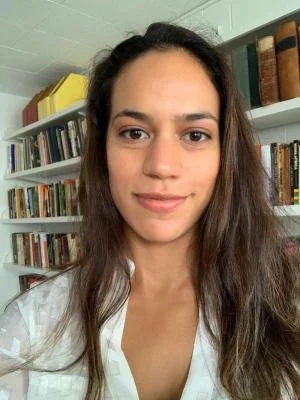
Dr. Mary Hicks is a historian of the Black Atlantic, with a focus on transnational histories of race, slavery, capitalism, migration and the making of the early modern world. Her first book, Captive Cosmopolitans: Black Mariners and the World of South Atlantic Slavery, 1721-1835, reimagines the history of Portuguese exploration, colonization and oceanic commerce from the perspective of enslaved and freed black seamen laboring in the transatlantic slave trade. As the Atlantic world’s first subaltern cosmopolitans, black mariners, she argues, were integral in forging a unique commercial culture that linked the politics, economies and people of Salvador da Bahia with those of the Bight of Benin.
More broadly, she seeks to interrogate the multiplicity of connections between West Africa and Brazil through the lens of mutual cultural, technological, commercial, intellectual and environmental influences and redefine how historians understand experiences of enslavement and the middle passage. In addition to investigating the lives of African sailors, she also explores the cultural and religious sensibilities of enslaved and freed African women in living in 19th century Salvador da Bahia. Along these lines, her second book will detail the emergence and elaboration of new gendered and racialized subjectivities in the wake of Portugal’s initiation of trade with West Africa in the fifteenth century.
Prof. Hicks received her B.A. from the University of Iowa and her Ph.D. from the University of Virginia, where she was a recipient of the Jefferson Fellowship. She has also received the Ford Foundation Dissertation Fellowship and the Mamolen Fellowship at the Hutchins Center at Harvard University. She is the winner of the Southern Historical Association’s Latin American & Caribbean Section Dissertation Prize and been a finalist for the CGS/Proquest Distinguished Dissertation Award for the Humanities and Fine Arts.