
Episode 175: When Harry Met Sally with Kathleen Sheppard and Thomas Lecaque
This week Kate Sheppard and Thomas Lecaque drop in to talk about the greatest romcom of all time.
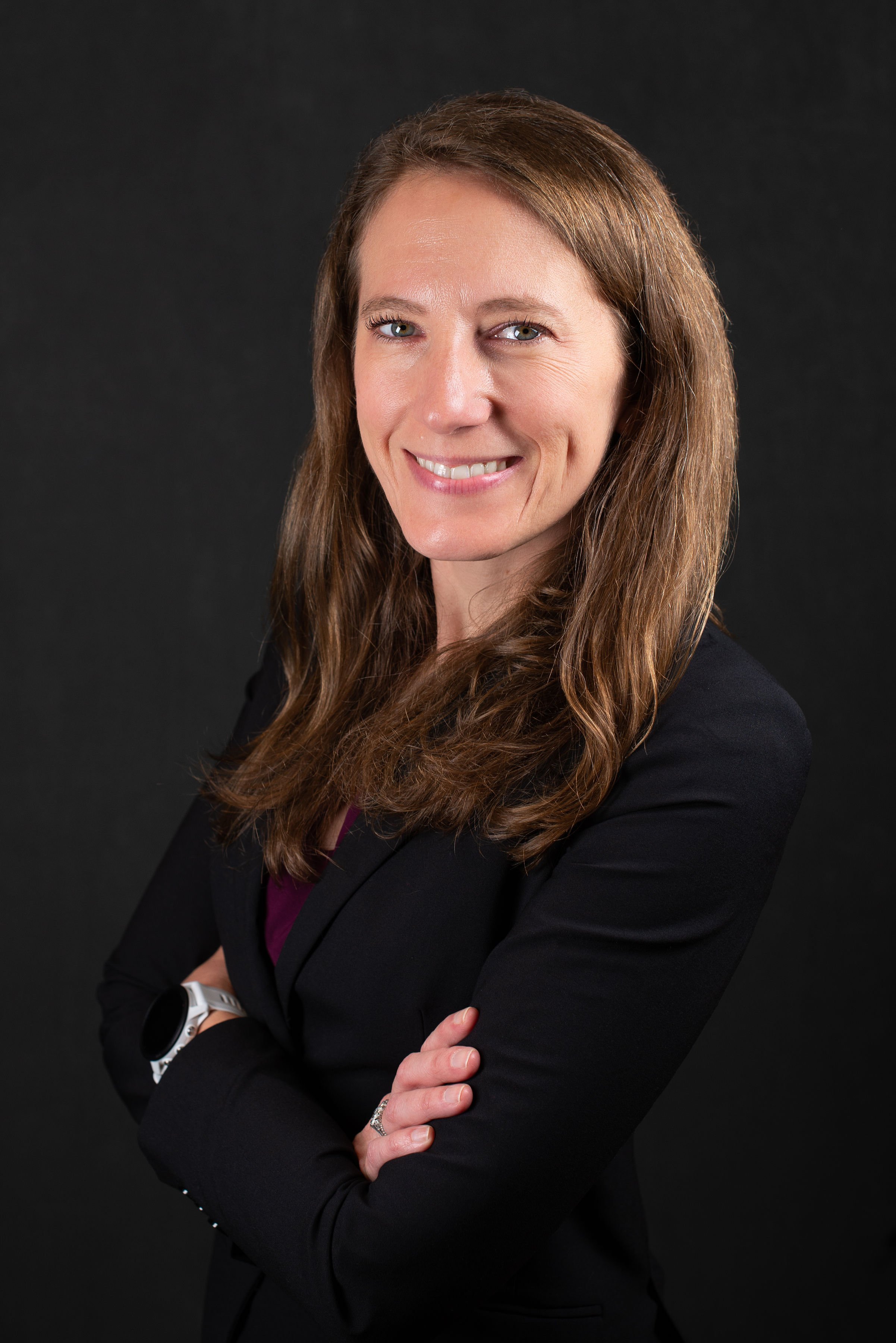
Dr. Kathleen Sheppard earned her PhD in History of Science from the University of Oklahoma in 2010. After a post-doctoral teaching fellowship at the American University in Cairo, she arrived at Missouri S&T in the fall of 2011. She teaches mainly survey courses on modern Western Civilizations, which is arguably one of the most important courses students in 21st century America can take. Her main focus is on the history of science from the ancient Near East to present day Europe, United States, and Latin America. She has taught courses on the history of European science and Latin American science, as well as a seminar on women in the history of science.
Sheppard’s research focuses on 19th and 20th century Egyptology and women in the field. Her first book was a scientific biography of Margaret Alice Murray, the first woman to become a university-trained Egyptologist in Britain (Lexington, 2013). Murray’s career spanned 70 years and over 40 publications. Sheppard is also the editor of a collection of letters between Caroline Ransom Williams, the first university-trained American Egyptologist, and James Breasted from the University of Chicago (Archaeopress, 2018). Sheppard’s monograph, Tea on the Terrace, is about hotels in Egypt as sites of knowledge creation in Egyptology during the discipline’s “Golden Age,” around 1880 to 1930.
Women in the Valley of the Kings: The Untold Story of Women Egyptologists in the Gilded Age was published in July 2024. It has been reviewed in the New York Times, the Wall Street Journal, and was a top 6 Reader’s Choice non-fiction book on Goodreads.
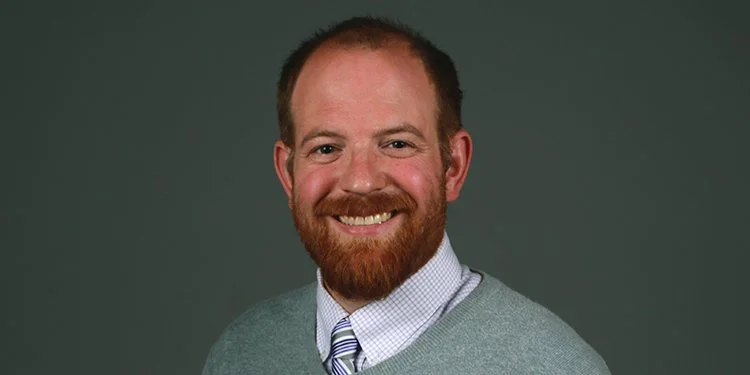
Dr. Thomas Lecaque is an Associate Professor of History at Grand View University. He has a Ph.D. in Pre-Modern European History from the University of Tennessee, an M.A. in English with a focus on Old English and Anglo-Norman literature from Truman State University, and a B.A. (also from Truman) in History with minors in Philosophy & Religion and English.
His dissertation, "The Count of Saint-Gilles and the Saints of the Apocalype: Occitanian Culture and Piety in the Time of the First Crusade," examined the importance of distinct regional identities in the performance of the First Crusade, focusing specifically on the territories controlled by and formative to Raymond of Saint-Gilles, Count of Toulouse, Duke of Narbonne, and Marquis of Provence. The unique cultural, religious, and political aspects of Occitania shaped the way the Provencal contingent on the First Crusade went about organizing, performing, and understanding crusading; the difference between Occitanian regions also helps us to understand the way Raymond of Saint-Gilles and Raymond d'Aguiliers perceive their actions and the role of the Holy Lance. This work offers a new vision of the First Crusade, one where universal motivations are less important than the specific regional identities of each crusading contingent.
His research has moved on to looking at the same language of religious violence and apocalypticism and its impact on other time periods and events. His current project looks at the rhetoric of holy war across languages and denominations in the wars of empire between England and France and numerous Native polities in the northeastern section of the United States. He also works on expressions of these sentiments in contemporary America, largely via public essays in places like The Washington Post, Foreign Policy, The Bulwark, Religious Dispatches, and the History News Network.