Episode 157: WWII Movies through Time with Dr. John McManus
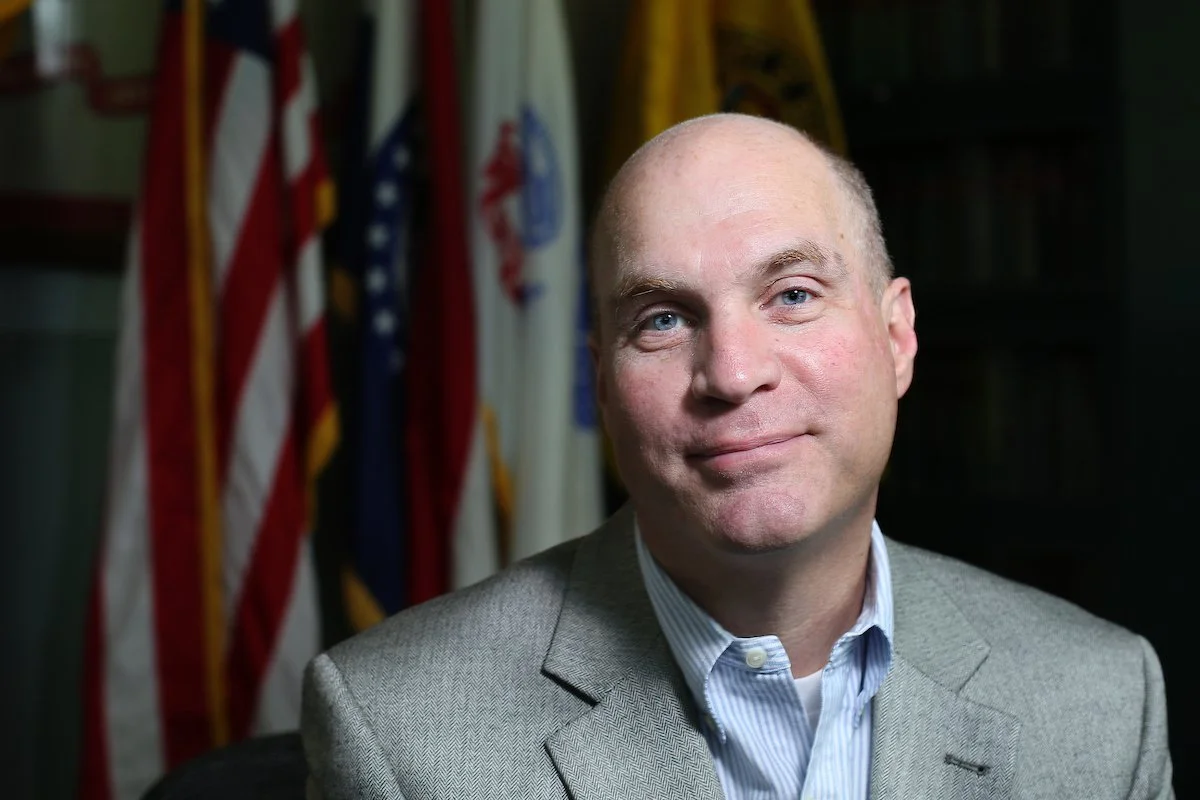
John C. McManus is Curators’ Distinguished Professor of U.S. military history at the Missouri University of Science and Technology (Missouri S&T). This professorship is bestowed by the University of Missouri Board of Curators on the most outstanding scholars in the University of Missouri system. McManus is the first ever Missouri S&T faculty member in the humanities to be named Curators’ Distinguished Professor. As one of the nation’s leading military historians, and the author of fifteen well received books on the topic, he is in frequent demand as a speaker and expert commentator. In addition to dozens of local and national radio programs, he has appeared on Cnn.com, Fox News, C-Span, the Military Channel, the Discovery Channel, the National Geographic Channel, Netflix, the Smithsonian Network, the History Channel and PBS, among others. He also served as historical advisor for the bestselling book and documentary Salinger, the latter of which appeared nationwide in theaters and on PBS’s American Masters Series. During the 2018-2019 academic year, he was in residence at the U.S. Naval Academy as the Leo A. Shifrin Chair of Naval and Military History, a distinguished visiting professorship. His current project is a major three volume history of the U.S. Army in the Pacific/Asia theater during World War II. He is the host of two podcasts, Someone Talked! in tandem with the National D-Day Memorial, and We Have Ways of Making You Talk in the USA alongside Al Murray and James Holland.
John C. McManus is a native of St. Louis. He attended the University of Missouri and earned a degree in sports journalism. After a brief stint in advertising and sports broadcasting, he embarked on a literary and academic career. He earned an M.A. in American history from the University of Missouri and a Ph.D in American history and military history from the University of Tennessee. He participated in the University of Tennessee’s Normandy Scholars program and, in the process, had an opportunity to study the battle first hand at the Normandy battlefields. At Tennessee he served as Assistant Director of the Center for the Study of War and Society, where he helped oversee a major effort to collect the first hand stories of American veterans of World War II. Making extensive use of this material, as well as sources from many other archives, he published two important books, The Deadly Brotherhood: The American Combat Soldier in World War II in 1998, and Deadly Sky: The American Combat Airman in World War II in 2000. Shortly after the publication of Deadly Sky he accepted a position as Assistant Professor of U.S. Military History at the Missouri University of Science and Technology (at the time known as University of Missouri-Rolla) where he now teaches courses on the Civil War, World War II, Vietnam, American Military History, and the American Combat Experience in the 20th Century. He is on the editorial advisory board for World War II magazine and Global War Studies. In 2004 he published a two volume series on the American role in the Battle of Normandy. The first book, The Americans at D-Day: The American Experience at the Normandy Invasion was released in June 2004. The second book, The Americans at Normandy: The Summer of 1944, the American War from the Beaches to Falaise was published in November 2004. In 2007-2008 he published four new books.
Episode 156: Dr. Kevin Gannon
This week my friend Kevin Gannon drops in to talk about his career in history education, how education has changed, what to do about A.I., and the role of social media as a scholar. This is a cool conversation with one of the coolest dudes I know.

Dr. Kevin Gannon is the Director of the Center for the Advancement of Faculty Excellence (CAFE) and Professor of History at Queens University of Charlotte.
From 2014-22, he served as Director of the Center for Excellence in Teaching and Learning (CETL) and Professor of History at Grand View University in Des Moines, Iowa, where he also taught from 2004-2022. In addition to directing GV’s faculty development operations, he was also a department chair (2011-2014) and co-directed the New Student Seminar program (2005-2011).
His teaching, research, and public work (including writing) centers on critical and inclusive pedagogy; race, history, and justice; and technology and teaching. He writes at least semi-regularly for The Chronicle of Higher Education), and his essays on higher education have also been published in Vox and other media outlets. His book Radical Hope: A Teaching Manifesto, was published by West Virginia University press in Spring, 2020, as part of their Teaching and Learning in Higher Education series, edited by James M. Lang. He is currently writing a textbook for the US Civil War and Reconstruction eras that’s grounded in settler-colonial theory for Routledge. In 2016, he appeared in the Oscar-nominated documentary 13th, which was directed by Ava DuVernay. He is a speaker and consultant about a range of topics on campuses across North America; in this work, he endeavors to bring passion, humor, and interactivity to my audiences. He is also delighted to work with smaller groups of students, individual classes, or selected groups of faculty and staff on these campus visits. You can find him on Twitter: @TheTattooedProf.
Kevin's scholarly work centers on Race and Racisms, Critical and Inclusive Pedagogy, nineteenth-century history (particularly the United States and the Americas), and historiography and theory. His teaching ranges widely: Civil War and Reconstruction; Colonial America and the Atlantic World; Latin American history; Research Methods and Historiography; and the History of Capitalism are in my regular rotation, along with survey-level offerings in Ancient and Medieval World History. He teaches regularly in both in-person and online learning spaces, and he also has extensive experience working with first-year and at-risk students.
As an educational developer, Kevin works closely with his colleagues in the faculty, staff, and administration to promote excellence and innovation in teaching, and to support faculty work across the areas of teaching, scholarship, and university service. He is a fierce advocate for professional development in all its manifestations, active learning, scholarly teaching, good technology, social justice, movable furniture, and humor in any environment.
Episode 155: 13 Days, the Cuban Missile Crisis, and the Fate of the Americas with Renata Keller
For 13 days beginning on October 16, 1962 the world teetered on total nuclear destruction. Today, Dr. Renata Keller joins in to talk about the Cuban Missile Crisis, how it is depicted in the film 13 Days, and how the events played out in Latin America. This is a deep dive into arguably the most consequential two weeks in world history.
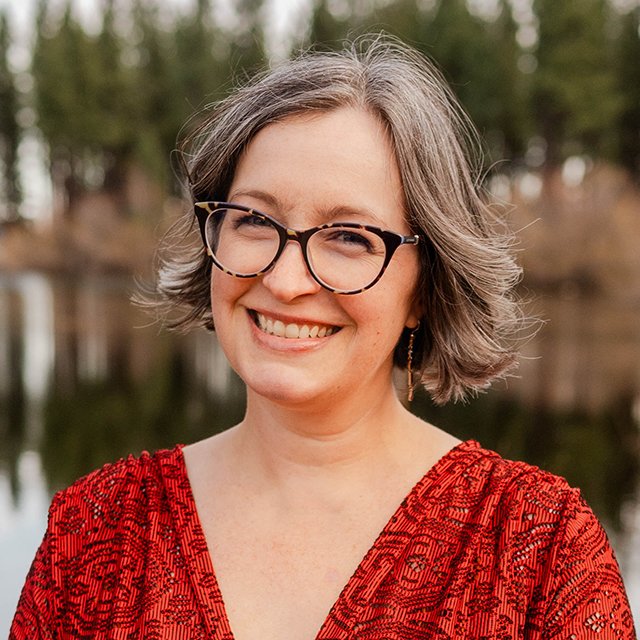
Dr. Renata Keller specializes in Latin American and Cold War history. Her second book, The Fate of the Americas: The Cuban Missile Crisis and the Hemispheric Cold War (UNC Press, 2025), uncovers how people and governments across the Americas caused, participated in, and were affected by the Cuban Missile Crisis. Her first book, Mexico’s Cold War: Cuba, the United States, and the Legacy of the Mexican Revolution (Cambridge, 2015), explored how the Cuban Revolution transformed Mexico’s domestic politics and international relations. It was awarded SECOLAS's Alfred B. Thomas Book Prize and honorable mentions for RMCLAS's Thomas McGann and Michael C. Meyer Prizes.
She received her B.A. in History and Spanish from Arizona State University and her Ph.D. from the University of Texas at Austin. She taught international relations at Boston University for five years before joining the History Department at the University of Nevada in 2017. She has published journal articles in The Journal of Latin American Studies, The Journal of Cold War Studies, The Journal of Cold War History, The Latin American Research Review, Diplomatic History, Contexto Internacional, and Mexican Studies/Estudios Mexicanos, as well as popular articles in History Today and The Washington Post. Her research has received funding from the National Endowment for the Humanities, the Fulbright Foundation, the Social Science Research Council, the Philanthropic Educational Organization, the Kluge Center at the U.S. Library of Congress, the American Philosophical Society, and other institutions. She is co-editor of InterConnections: The Global Twentieth Century, a new book series at UNC Press that is home to innovative global, international, and transregional histories of the long twentieth century.
She is also a dedicated educator. She teaches classes on modern Latin American history, Cuban history, the global Cold War, and drugs and security in the Americas. She also enjoys training the next generation of thinkers, historians, and history teachers in my classes on historical research and writing, historiography, historiography of the Americas, and her graduate research seminar on twentieth-century history.
Episode 154: Comanche Nation Chairman Forrest Tahdooahnippah
Comanche Chairman Forrest Tahdooahnippah sat down with me last Friday to talk about Comanche history, culture, and so much more. We had a chance to talk about the legal relationships between Tribal nations and the United States, the importance of language preservation, what it’s like to lead a Tribe, thoughts on how Comanche people have been portrayed on film, and how historians and others can conduct ethical scholarship in Indian Country. This was a really wonderful conversation and I’m so thankful to the Chairman for the time to talk with us.
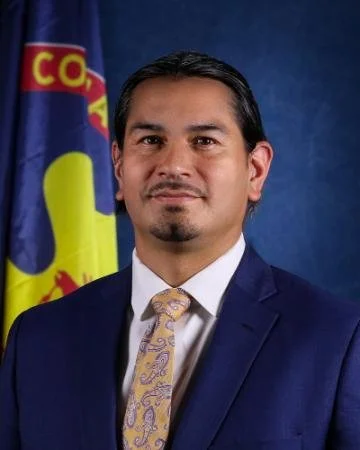
Forrest Tahdooahnippah is Chairman of the Comanche Nation. He earned a Bachelor’s Degree in Public Policy from Stanford University and his Juris Doctorate from the University of Minnesota Law School. Prior to his service as Chairman, he was legal counsel at Dorsey & Whitney, LLP and an assistant professor of law at Mitchell Hamline School of Law.
Episode 153: Notting Hill with Kate Sheppard and Colin Colbourn
This week Kate Sheppard and Colin Colbourn return to ask if Notting Hill is the greatest romcom of its generation.
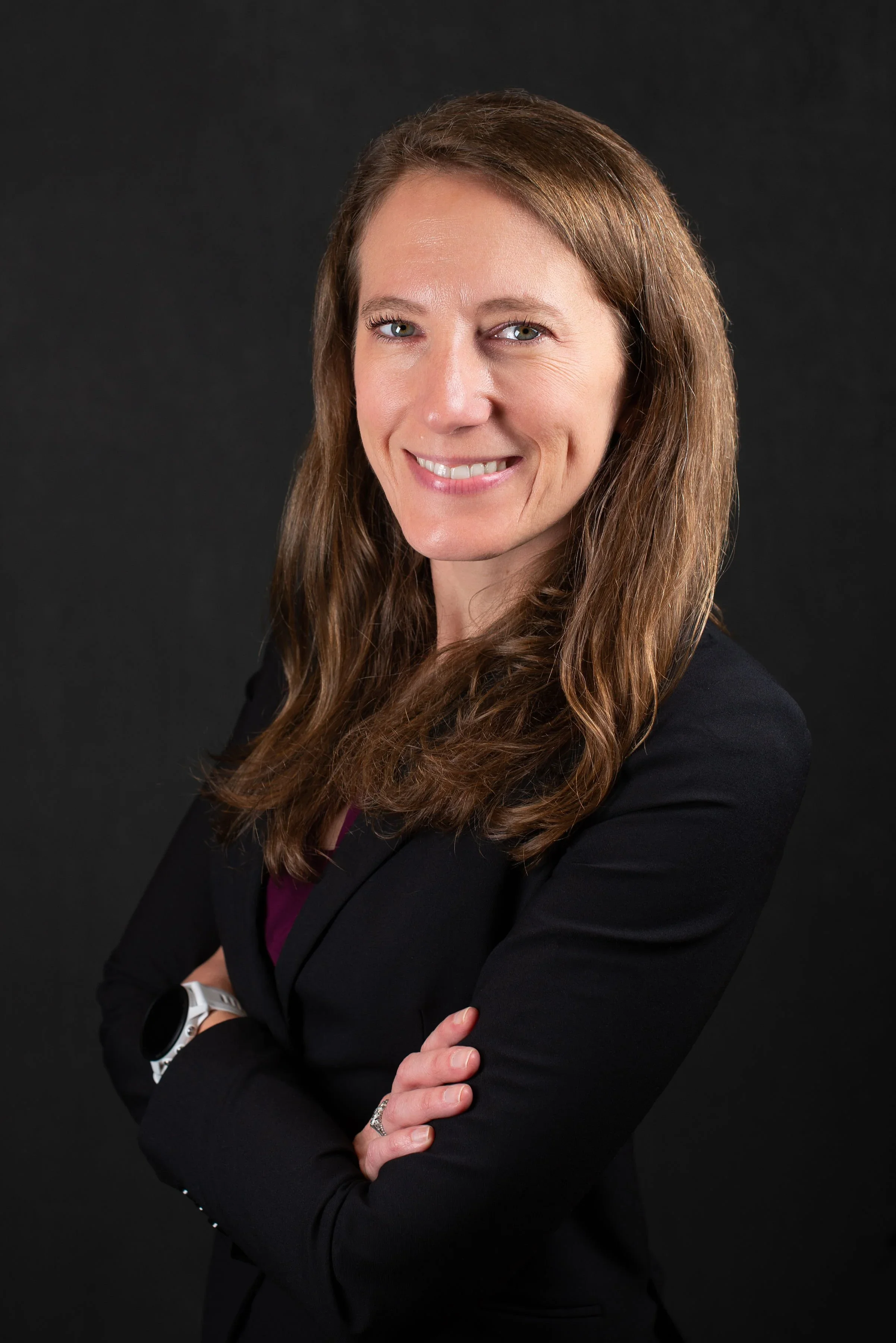
Dr. Kathleen Sheppard earned her PhD in History of Science from the University of Oklahoma in 2010. After a post-doctoral teaching fellowship at the American University in Cairo, she arrived at Missouri S&T in the fall of 2011. She teaches mainly survey courses on modern Western Civilizations, which is arguably one of the most important courses students in 21st century America can take. Her main focus is on the history of science from the ancient Near East to present day Europe, United States, and Latin America. She has taught courses on the history of European science and Latin American science, as well as a seminar on women in the history of science.
Sheppard’s research focuses on 19th and 20th century Egyptology and women in the field. Her first book was a scientific biography of Margaret Alice Murray, the first woman to become a university-trained Egyptologist in Britain (Lexington, 2013). Murray’s career spanned 70 years and over 40 publications. Sheppard is also the editor of a collection of letters between Caroline Ransom Williams, the first university-trained American Egyptologist, and James Breasted from the University of Chicago (Archaeopress, 2018). Sheppard’s monograph, Tea on the Terrace, is about hotels in Egypt as sites of knowledge creation in Egyptology during the discipline’s “Golden Age,” around 1880 to 1930.
Women in the Valley of the Kings: The Untold Story of Women Egyptologists in the Gilded Age was published in July 2024. It has been reviewed in the New York Times, the Wall Street Journal, and was a top 6 Reader’s Choice non-fiction book on Goodreads.

Dr. Colin Colbourn is the Lead Historian for Project Recover, where he manages historical operations to locate and identify U.S. service members missing in action from past conflicts. He is a graduate of Ball State University and went on to earn his MA and Ph.D. in U.S. History from the University of Southern Mississippi. His work at Project Recover blends family outreach, archival research, case analysis, and global field investigations to bring home missing service men and women. At Project Recover, Dr. Colbourn works with an interdisciplinary team of archaeologists, oceanographers, marine scientists, and engineers in order to apply modern technology to the mysteries of the past. Dr. Colbourn also teaches U.S. Military History as an Adjunct Professor at the University of Delaware.
Episode 152: “That’s not a knife. Now that’s a knife.”Crocodile Dundee with Chelsea Barnett
This week Historians At The Movies goes Down Under to talk about 1986's Crocodile Dundee and we are doing it with the founders of Historians At The Movies: Australia: Chelsea Barnett and Joel Barnes. This movie is everything HATM was designed for: taking something fun and then pointing out everything we can take from it. This was a blast to record.
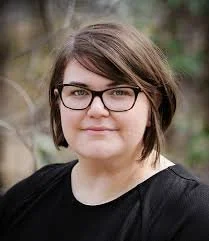
Dr Chelsea Barnett is a gender and cultural historian whose work explores the representation of masculinities in Australian popular culture, in order to understand the complex and varied ways in which masculinity has made sense in particular historical contexts. Under this broad research aim she engages with feminist and queer theory, the history of sex and sexuality, twentieth-century Australian history, and the history in and of popular culture.
Chelsea is a Chancellor's Postdoctoral Research Fellow at UTS, and is located in the Australian Centre for Public History. In her current project, she is exploring the cultural history of single men, focusing on how Australian film and magazines in the postwar world have represented and made sense of the relationship between men and the expectation of marriage. She is also the author of "Reel Men: Australian Masculinity at the Movies, 1949-1962" (Melbourne University Press, 2019). She has authored academic articles in leading journals including History Australia, Australian Historical Studies, and the Historical Journal of Film, Radio and Television. Chelsea is currently the ECR co-representative for the Australian Historical Association, and is the co-convenor of Historians at the Movies Australia (#HATMAus).
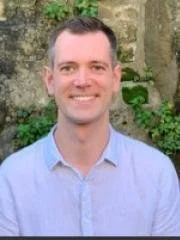
Dr. Joel Barnes is a historian of the humanities, science, religion and universities. His present research examines the history of relations between evolutionary science and religious belief within Australian higher education, as part of the Science and Religion: Exploring the Spectrum project run by the International Research Network for the Study of Science and Belief in Society. Before joining the University of Queensland, Joel was a Research Associate in the Australian Centre for Public History at the University of Technology Sydney. His work at UTS was on an Australian Research Council-funded project on the history of humanities institutions in Australia since 1945, for which he is finalising a monograph on the humanities disciplines and the idea of the national interest.
Episode 151: Gangs of New York with Tyler Anbinder
This week Tyler Anbinder joins in to talk about his experiences advising on Gangs of New York as well as his work tracing the Irish diaspora.
Episode 150: The Secret Weapon to Finish Your Ph.D.
Today my friend, Dr. Eric Becklin, defended his dissertation. And around here, we celebrate the wins. I talk about the process of graduate school and how important friends are to getting you to the finish line.
Episode 149: Confederate Monuments with Dr. Karen Cox
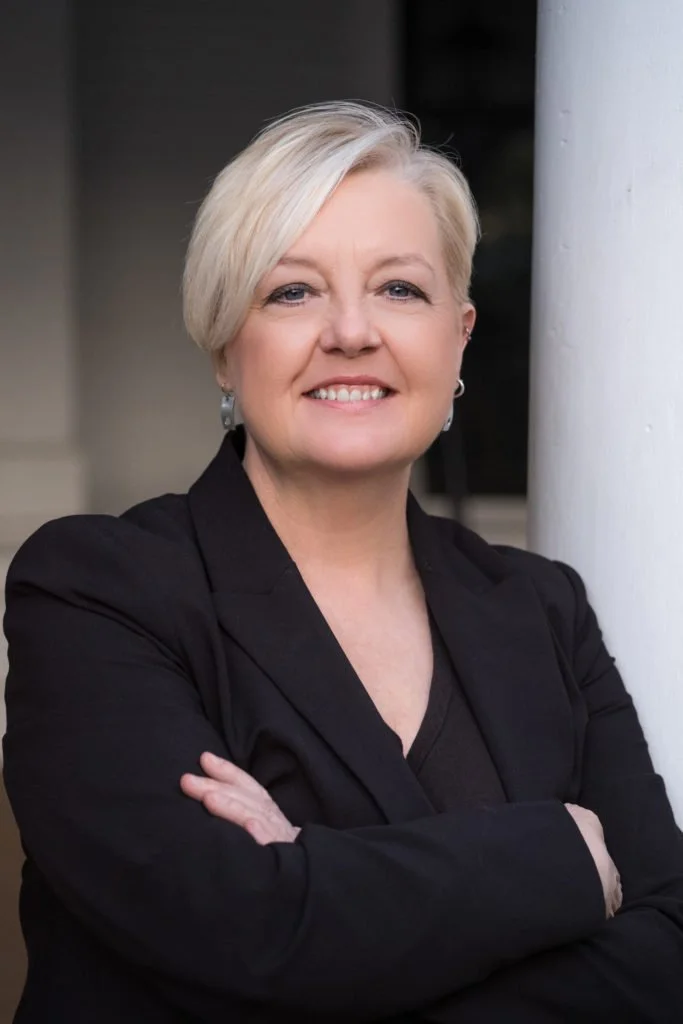
Karen L. Cox is an award-winning historian and a Distinguished Lecturer for the Organization of American Historians. She is the author of four books, the editor or co-editor of two volumes on southern history and has written numerous essays and articles, including an essay for the New York Times best seller Myth America: Historians Take on the Biggest Legends and Lies About Our Past. Her books include Dixie’s Daughters: The United Daughters of the Confederacy and the Preservation of Confederate Culture, Dreaming of Dixie: How the South Was Created in American Popular Culture, Goat Castle: A True Story of Murder, Race, and the Gothic South, and most recently, No Common Ground: Confederate Monuments and the Ongoing Fight for Racial Justice, which was published in April 2021 and won the Michael V.R. Thomason book prize from the Gulf South Historical Association.
A successful public intellectual, Dr. Cox has written op-eds for the New York Times, the Washington Post, CNN, TIME magazine, Publishers Weekly, Smithsonian Magazine, and the Huffington Post. She has given dozens of media interviews in the U.S. and around the globe, especially on the topic of Confederate monuments. She appeared in Henry Louis Gates’s PBS documentary Reconstruction: America after the Civil War, Lucy Worsley’s American History’s Biggest Fibs for the BBC, and the Emmy-nominated documentary The Neutral Ground, which examines the underlying history of Confederate monuments.
Cox is a professor emerita of history at the University of North Carolina at Charlotte where she taught from 2002-2024. She is currently writing a book that explores themes of the Great Migration, the Black press, and early Chicago jazz through the forgotten tragedy of the Rhythm Club fire, which took the lives of more than 200 African Americans in Natchez, Mississippi, in 1940.
You can follow her on Bluesky @DrKarenLCox.bsky.social
Episode 148: Is Jeremiah Johnson just 70s Mountain Man Porn with Jacob Lee
This week Dr. Jacob Lee joins in to talk about the real Jeremiah Johnson—and why Redford’s version may be a fantasy.
Jacob Lee is a historian of early America and the American West, focusing on colonialism and borderlands. His first book, Masters of the Middle Waters: Indian Nations and Colonial Ambitions Along the Mississippi (Harvard University Press, 2019), embedded intertwined Native and imperial histories in the physical landscape of Middle America, a vast region encompassing much of the central Mississippi River valley. In the centuries between the collapse of the ancient metropolis of Cahokia around A.D. 1300 and the rise of the U.S. empire in the early 1800s, power flowed through the kinship-based alliances and social networks that controlled travel and communication along the many rivers of the midcontinent. Drawing on a range of English-, French-, Spanish-, and Illinois-language sources, as well as archaeology, oral history, and environmental science, Masters of the Middle Watersemphasized the power of personal relationships and the environment to shape the course of empires and nations.
He is currently working on a history of the everyday operation of legal jurisdiction in Indian Territory (present-day Oklahoma and Kansas) from the 1820s through the 1850s. Tentatively-titled The Laws of Nations: Legal Jurisdiction and the Struggle for Sovereignty in Indian Territory, this project examines the ways that Indigenous nations, especially Cherokee Nation and Osage Nation, effected sovereignty over people and land through the assertion and exercise of jurisdiction over crimes committed within their borders. In adjudicating crimes ranging from murder to theft to bootlegging, Native nations repaired harms, defined citizenship, and exercised authority in the face of the efforts of U.S. federal and state governments to usurp and undermine Indigenous governance.
Episode 147: Jason and Thomas are dead men
Jason and Thomas recap their voyages to destinations unknown: San Diego and Minnesota's Boundary Waters, plus Thomas and Jason discuss the excitement of fall semesters on campus.
Dr. Thomas Lecaque is an Associate Professor of History at Grand View University. He has a Ph.D. in Pre-Modern European History from the University of Tennessee, an M.A. in English with a focus on Old English and Anglo-Norman literature from Truman State University, and a B.A. (also from Truman) in History with minors in Philosophy & Religion and English.
His dissertation, "The Count of Saint-Gilles and the Saints of the Apocalype: Occitanian Culture and Piety in the Time of the First Crusade," examined the importance of distinct regional identities in the performance of the First Crusade, focusing specifically on the territories controlled by and formative to Raymond of Saint-Gilles, Count of Toulouse, Duke of Narbonne, and Marquis of Provence. The unique cultural, religious, and political aspects of Occitania shaped the way the Provencal contingent on the First Crusade went about organizing, performing, and understanding crusading; the difference between Occitanian regions also helps us to understand the way Raymond of Saint-Gilles and Raymond d'Aguiliers perceive their actions and the role of the Holy Lance. This work offers a new vision of the First Crusade, one where universal motivations are less important than the specific regional identities of each crusading contingent.
His research has moved on to looking at the same language of religious violence and apocalypticism and its impact on other time periods and events. His current project looks at the rhetoric of holy war across languages and denominations in the wars of empire between England and France and numerous Native polities in the northeastern section of the United States. He also works on expressions of these sentiments in contemporary America, largely via public essays in places like The Washington Post, Foreign Policy, The Bulwark, Religious Dispatches, and the History News Network.
Episode 146: Thelma and Louise with Jacki Antonovich and Lauren MacIvor Thompson
This week we return to the vault to bring you Ridley Scott's unexpected western masterpiece: Thelma and Louise.

Dr. Jacqueline Antonovich a historian of health and medicine in the United States, with particular interests in how race, gender, and politics shape the medical field and access to health care. Her teaching interests include histories of public health, alternative medicine, disability, reproduction and childbirth, and epidemics. She also focuses on the history of the American West, nineteenth-century America, and the Gilded and Progressive Eras.
Her recent publications include "White Coats, White Hoods: The Medical Politics of the Ku Klux Klan in 1920s America," which received Honorable Mention at the Berkshire Conference of Women Historians for "Best Article in the Field of The History of Women, Gender, and/or Sexuality," and "Feminist Doctors and Medicine Women: The Lady Physician in the American Western," in Diagnosing History: Medicine in Television Period Drama." Currently, she is working on a book with Rutgers University Press, focusing on the history of women physicians and their political activism in the early twentieth century. She is also the creator and executive editor emerita of Nursing Clio, an online journal connecting historical scholarship to present-day issues of gender, health, and medicine. Her research and teaching have been featured in The Washington Post, BBC, Chronicle of Higher Education, NPR, and the podcast Getting Curious with Jonathan Van Ness.
Dr. Lauren MacIvor Thompson is a historian of reproductive health, women's rights, and the law. She is an Assistant Professor of History and Interdisciplinary Studies at Kennesaw State University and also serves as the faculty fellow at the Georgia State University College of Law's Center for Law, Health, and Society.
Her book, Rivals and Rights: The Politics of Contraception and the Making of the American Birth Control Movement is forthcoming with Rutgers University Press in 2025. She has published numerous academic articles and op-eds including work in Law and History Review, The Journal of the Gilded Age and Progressive Era, The Washington Post, and The New York Times. Her research has been supported by fellowships from the American Philosophical Society, the New York Academy of Medicine, and the Society for the Gilded Age and Progressive Era, among others. Thompson is also a frequent public speaker, including presentations at the American Historical Association, the Organization of American Historians, the American Society for Legal History, and the American Association for the History of Medicine, as well as national and international symposiums on suffrage and legal rights, reproduction, health, and medicine. She is a member of the national Scholars Strategy Network.
Episode 145: The Running Man with Craig Bruce Smith and Robert Greene II
This week Craig Bruce Smith and Robert Greene II join in to talk about our favorite dystopian films, why this film slips under the radar, and what it was like when Craign recently met Arnold himself.
Craig Bruce Smith is Professor of History at National Defense University in the Joint Advanced Warfighting School (JAWS) in Norfolk, VA. He authored American Honor: The Creation of the Nation’s Ideals during the Revolutionary Era and co-authored George Washington’s Lessons in Ethical Leadership.
Smith earned his PhD in American history from Brandeis University. Previously, he was an associate professor of military history at the U.S. Army School of Advanced Military Studies (SAMS), an assistant professor of history, and the director of the history program at William Woods University, and he has taught at additional colleges, including Tufts University. He specializes in American Revolutionary and early American history, specifically focusing on George Washington, honor, ethics, war, the founders, transnational ideas, and national identity. In addition, he has broader interests in colonial America, the early republic, leadership, and early American cultural, intellectual, and political history.

Dr. Greene received his Bachelor of Arts in Writing and Linguistics with a concentration in Creative Writing from Georgia Southern University; his Master of Arts in History from Georgia Southern University; and earned his Ph.D. in History from the University of South Carolina, Columbia. Dr. Greene recently completed his dissertation at the University of South Carolina, about the ways in which Democratic Party leaders in the South from 1964 to 1994 vied for the African American vote via appeals to Southern identity and memory of the Civil Rights Movement. Mr. Greene has published a book chapter in the collection Navigating Souths, and has published a scholarly article in Patterns of Prejudice. He has also published at several popular magazines and websites, including The Nation, Jacobin, Dissent, Scalawag, Current Affairs, and Jacobin.His research interests include African American history, American intellectual history since 1945, and Southern history since 1945. Dr. Greene is also a blogger and book review editor for the Society of U.S. Intellectual Historians, and has just begun a six-post stint for the Teaching American History blog.
Episode 144: Superman (2025) with John Wyatt Greenlee, Colin Colbourn, and Alan Malfavon
This week John Wyatt Greenlee, Colin Colbourn, and Alan Malfavon flyover to talk about James Gunn’s Superman, the need for heroes in everyday lives, and casting the rest of the DCU.
John Wyatt Greenlee is a medievalist and a cartographic historian, as well as a historian of roads and pathways and pilgrimage. But he is best well known for my work on the role of eels in pre-modern England from the tenth through the seventeenth centuries. He is heavily engaged in outreach and public engagement to make the eel history more widely known, and to raise awareness for the role of eels as an endangered species. His work with eels and eel history has been profiled in TIME, The Guardian, Atlas Obscura, Hakai Magazine, and The New Yorker (click here for a full list of earned media)
He has kept up the public outreach part of my work, though, and he contines to write and talk about eels and eel history. He is (mostly) no longer an academic, however. The collapse of the academic job market and the advent of COVID just as he completed his PhD saw to that. That saddens him; he believes we are at a point in time when we are badly in need of trained and thoughtful historians.
Dr. Colin Colbourn is Project Recover’s Lead Historian and a Postdoctoral Researcher with the University of Delaware. Since 2016, he has managed historical operations including archival research, data management, case analysis, and field investigations. Through these efforts, Project Recover has developed a massive internal archive comprised of thousands of historical reports, maps, and images. Learn more about Colin and his work with MIA Families.
Dr. Alan Malfavon is an assistant professor of history at California State University-San Marcos. His research resituates Mexico’s socio-political, cultural, and economic networks with the Atlantic World and the Greater Caribbean, and it dissects and problematizes those networks by centering the Black and Afro-Mexican experience. His research interrogates and subverts archival silences that have erased Black and Afro-Mexican agency from narratives of Mexican identity and nation-state formation, seeking to diversify these narratives by foregrounding the voices, perspectives, and actions of Afro-descendants.
Episode 143: A Human History of the Sahara Desert with Dr. Judith Scheele
This week social anthropologist Dr. Judith Scheele joins in from France to talk about her decades of research into the diverse and fascinating peoples and places of the Sahara Desert.

Judith Scheele is professor of social anthropology at the École des hautes études en sciences sociales (School for Advanced Studies in the Social Sciences, EHESS). She has spent almost two decades living in and researching Saharan societies. The author of three previous books, she now lives in Marseille, France.
Find her book: https://amzn.to/3U8X19Y
Episode 142: Seven Years of Historians At The Movies
Looking back at the last seven years of HATM, along with my plans for the future.
Episode 141: F1 with Dr. Sarah Myers and Dr. Colin Colbourn
This week, two of my favorite people in the world join in to talk about Brad Pitt’s new film, F1 while they try to convert me into a Formula One racing fan. Ladies and Gentlemen, let’s start our engines.
Dr. Sarah Myers is a historian of 20th century U.S. history, gender, public history, oral history, and military history. In central Pennsylvania, she is an Associate Professor of History and Peace and Conflict Studies at Messiah University.
She recently published Earning Their Wings: The WASPs of World War II and the Fight for Veteran Recognition (UNC Press, 2023). She is a former museum curator and NEH grant recipient.
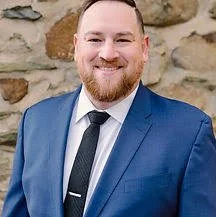
Dr. Colin Colbourn is Project Recover’s Lead Historian and a Postdoctoral Researcher with the University of Delaware. Since 2016, he has managed historical operations including archival research, data management, case analysis, and field investigations. Through these efforts, Project Recover has developed a massive internal archive comprised of thousands of historical reports, maps, and images. Learn more about Colin and his work with MIA Families.
Episode 140: American Mythmaking on Film: The Patriot with Craig Bruce Smith and Robert Greene II
We're enjoying the holiday this week so we thought we'd bring one back from the vault. This week Dr. Craig Bruce Smith and Dr. Robert Greene II and I talk about Mel Gibson's The Patriot, the role of constructed memory in national identity, and the ethics of making historical dramas.
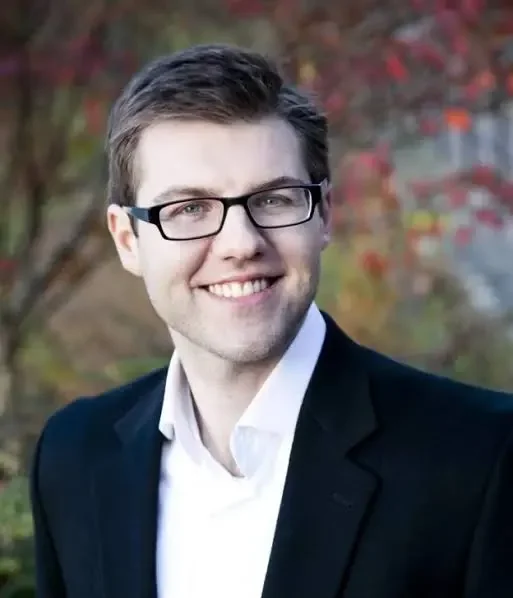
Craig Bruce Smith is Professor of History at National Defense University in the Joint Advanced Warfighting School (JAWS) in Norfolk, VA. He authored American Honor: The Creation of the Nation’s Ideals during the Revolutionary Era and co-authored George Washington’s Lessons in Ethical Leadership.
Smith earned his PhD in American history from Brandeis University. Previously, he was an associate professor of military history at the U.S. Army School of Advanced Military Studies (SAMS), an assistant professor of history, and the director of the history program at William Woods University, and he has taught at additional colleges, including Tufts University. He specializes in American Revolutionary and early American history, specifically focusing on George Washington, honor, ethics, war, the founders, transnational ideas, and national identity. In addition, he has broader interests in colonial America, the early republic, leadership, and early American cultural, intellectual, and political history.
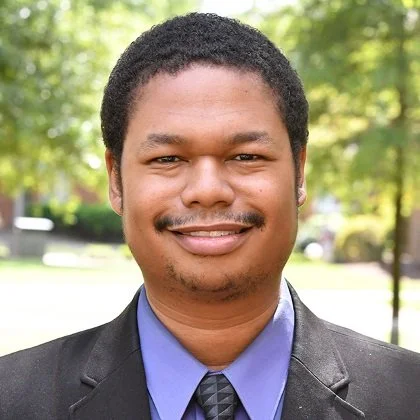
Dr. Robert Greene II Dr. Greene received his Bachelor of Arts in Writing and Linguistics with a concentration in Creative Writing from Georgia Southern University; his Master of Arts in History from Georgia Southern University; and earned his Ph.D. in History from the University of South Carolina, Columbia. Dr. Greene recently completed his dissertation at the University of South Carolina, about the ways in which Democratic Party leaders in the South from 1964 to 1994 vied for the African American vote via appeals to Southern identity and memory of the Civil Rights Movement. Mr. Greene has published a book chapter in the collection Navigating Souths, and has published a scholarly article in Patterns of Prejudice. He has also published at several popular magazines and websites, including The Nation, Jacobin, Dissent, Scalawag, Current Affairs, and Jacobin.His research interests include African American history, American intellectual history since 1945, and Southern history since 1945. Dr. Greene is also a blogger and book review editor for the Society of U.S. Intellectual Historians, and has just begun a six-post stint for the Teaching American History blog.
Episode 139: Black Hawk Down with Dr. Jonathan Carroll
This week military historian Dr. Jonathan Carroll drops in to talk about Black Hawk Down and his new book Beyond Black Hawk Down: Intervention, Nation-Building, and Insurgency in Somalia, 1992-1995.
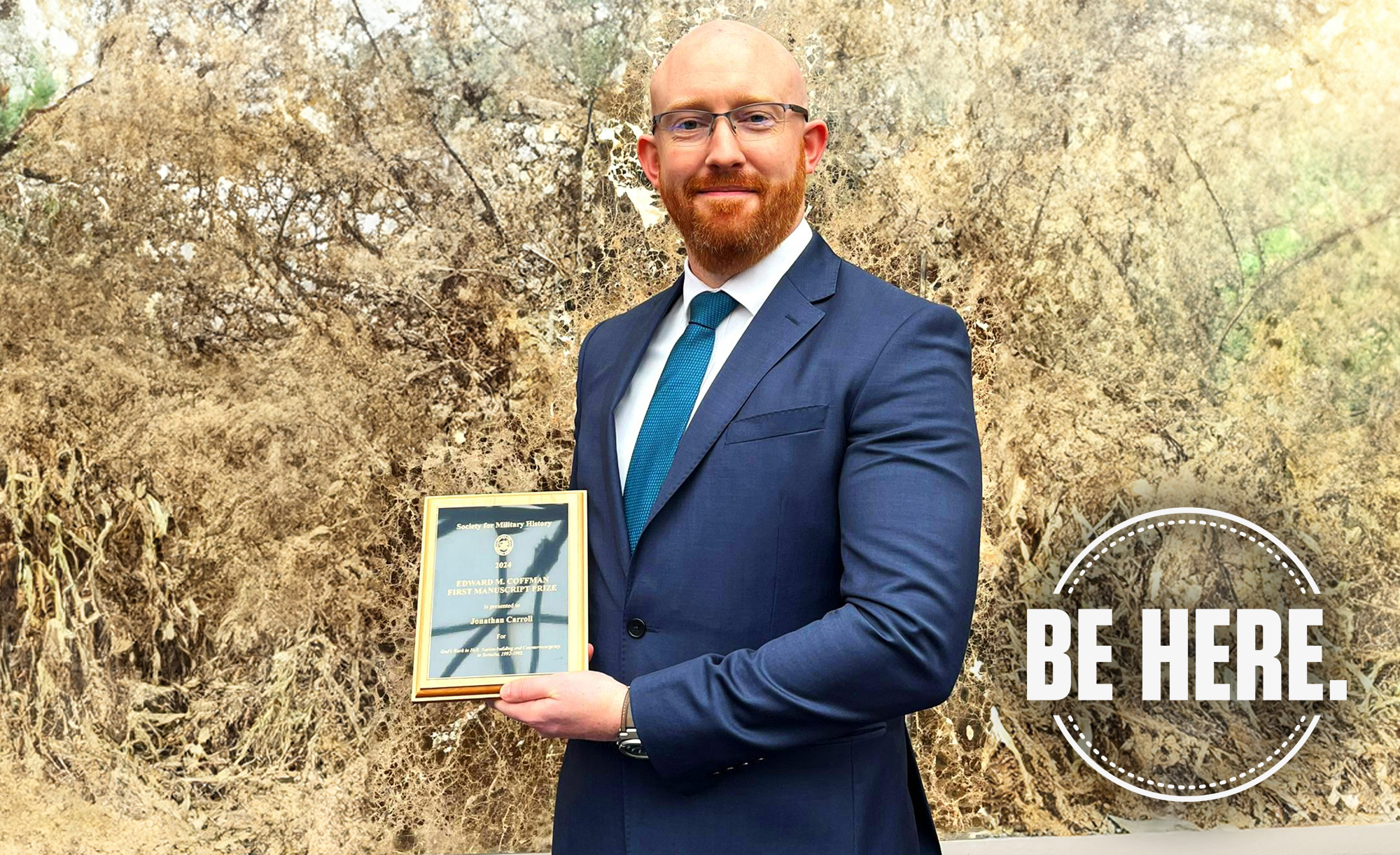
Jonathan Carroll is a former officer in the Irish Defence Forces who earned a PhD from Texas A&M University. He is an associate professor of military history at the Royal Military Academy, Sandhurst.
Episode 138: The Comanches Are Coming!
Talking about my weekend trip with Comanche youths, along with some of my experiences with the Seminole Tribe of Florida, the Southern Ute Indian Tribe, the Kiowa Tribe, and the Cheyenne and Arapaho Tribes.