Episode 111: From the Vault: "They Mean to Take Us as a Prize": Master and Commander with Dr. Mary Hicks
This week we reach back into the archive for our first visit from Dr. Mary Hicks to talk about the brilliance of Master and Commander and to talk with Mary about her research into African Mariners in the South Atlantic.
Dr. Mary Hicks is a historian of the Black Atlantic, with a focus on transnational histories of race, slavery, capitalism, migration and the making of the early modern world. Her first book, Captive Cosmopolitans: Black Mariners and the World of South Atlantic Slavery, 1721-1835, reimagines the history of Portuguese exploration, colonization and oceanic commerce from the perspective of enslaved and freed black seamen laboring in the transatlantic slave trade. As the Atlantic world’s first subaltern cosmopolitans, black mariners, she argues, were integral in forging a unique commercial culture that linked the politics, economies and people of Salvador da Bahia with those of the Bight of Benin.
Episode 110: From the Vault: Die Hard Is More Than A Christmas Movie with Dr. Annette Gordon-Reed and Dr. Craig Bruce Smith
This week we venture back to one of our earliest podcast episodes to talk about Die Hard with Annette Gordon-Reed and Craig Bruce Smith. We know Die Hard is a Christmas movie, but is it the quintessential 80s film? Find out when you listen in.
Annette Gordon-Reed is the Carl M. Loeb University Professor at Harvard. Gordon-Reed won sixteen book prizes, including the Pulitzer Prize in History in 2009 and the National Book Award in 2008, for The Hemingses of Monticello: An American Family (W.W. Norton, 2008). In addition to articles and reviews, her other works include Thomas Jefferson and Sally Hemings: An American Controversy (UVA Press, 1997), Vernon Can Read! A Memoir, a collaboration with Vernon Jordan (PublicAffairs, 2001), Race on Trial: Law and Justice in American History (Oxford University Press, 2002), a volume of essays that she edited, Andrew Johnson (Times Books/Henry Holt, 2010) and, with Peter S. Onuf, “Most Blessed of the Patriarchs”: Thomas Jefferson and the Empire of the Imagination (Liveright Publishing, 2016). Her most recent book is On Juneteenth (Liveright Publishing, 2021). Gordon-Reed was the Vyvyan Harmsworth Visiting Professor of American History at the University of Oxford (Queens College) 2014-2015. Between 2010 and 2015, she was the Carol K. Pforzheimer Professor at the Radcliffe Institute for Advanced Study at Harvard University. She was the 2018-2019 President of the Society for Historians of the Early American Republic. She is the current President of the Ames Foundation. A selected list of her honors includes a fellowship from the Dorothy and Lewis B. Cullman Center for Scholars and Writers at the New York Public Library, a Guggenheim Fellowship in the humanities, a MacArthur Fellowship, the National Humanities Medal, the National Book Award, the Frederick Douglass Book Prize, the George Washington Book Prize, and the Anisfield-Wolf Book Award. Gordon-Reed served as a member of the Board of Trustees of Dartmouth College from 2010 to 2018. She was elected a fellow of the American Academy of Arts and Sciences in 2011 and was a member of the Academy’s Commission on the Humanities and Social Sciences. In 2019, she was elected as a member of the American Philosophical Society.
Craig Bruce Smith is a professor of history at National Defense University in the Joint Advanced Warfighting School (JAWS) in Norfolk, VA. He authored American Honor: The Creation of the Nation’s Ideals during the Revolutionary Era and co-authored George Washington’s Lessons in Ethical Leadership.
Smith earned his PhD in American history from Brandeis University. Previously, he was an associate professor of military history at the U.S. Army School of Advanced Military Studies (SAMS), an assistant professor of history, and the director of the history program at William Woods University, and he has taught at additional colleges, including Tufts University. He specializes in American Revolutionary and early American history, specifically focusing on George Washington, honor, ethics, war, the founders, transnational ideas, and national identity. In addition, he has broader interests in colonial America, the early republic, leadership, and early American cultural, intellectual, and political history.
Episode 109: How A Charlie Brown Christmas Almost Didn’t Happen with Dr. Blake Scott Ball

Blake Scott Ball is Associate Professor of History at the University of North Alabama.
Episode 108: James Bond Is A Monk: The Name of the Rose with David Perry and Matthew Gabriele
First the first time ever, Reckoning has a guest host! This week John Wyatt Greenlee steps on the other side of the mic to talk with David Perry and Matthew Gabriele about Sean Connery, Medieval detectives, and their new book, Oathbreakers: The War of Brothers That Shattered an Empire and Made Medieval Europe.
David M. Perry is a journalist and historian. He is the co-author of Oathbreakers and The Bright Ages: A New History of Medieval Europe, both from HarperCollins. Publishers Weekly is calling Oathbreakers “An enlightening portrait of the medieval mindset” while The Boston Globe said The Bright Ages was “incandescent and ultimately intoxicating.”
Over the last few years, Perry’s work on history, parenting, disability, and politics has appeared in The New York Times, The Washington Post, The Nation, The Daily Beast, Smithsonian, Slate, CNN, and many others.
Perry was a professor of Medieval History at Dominican University from 2006-2017. His scholarly work focuses on Venice, the Crusades, and the Mediterranean World. He’s the author of Sacred Plunder: Venice and the Aftermath of the Fourth Crusade (Penn State University Press, 2015). Now he works for the University of Minnesota, convincing students that studying history is good for them and good for their careers (it is!).
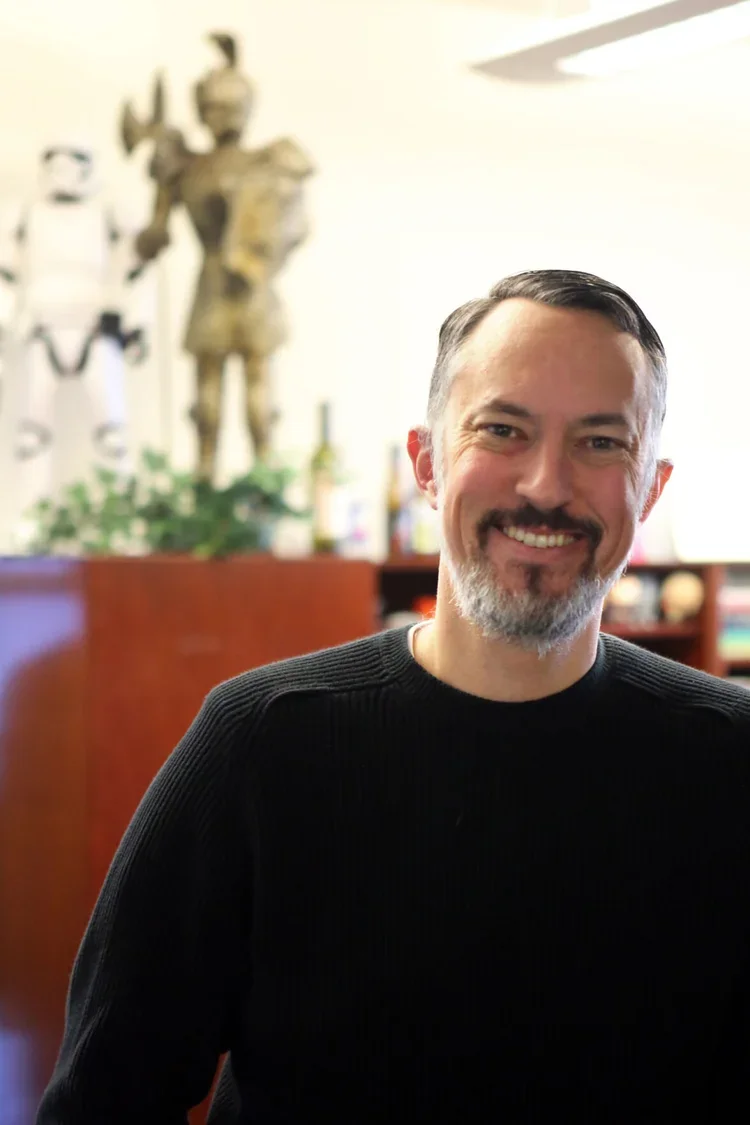
Matthew Gabriele is Professor of Medieval Studies at Virginia Tech University. His research and teaching focus on ideas of religion and violence, as well as nostalgia and apocalypse, focused on the European Middle Ages and how that period has been remembered by subsequent generations. He currently teaches at Virginia Tech.
He has published several scholarly books and numerous peer-reviewed articles, which have led to invited talks given to universities across the United States, and he has also presented his research at universities in England, Scotland, Germany, France, and the Netherlands. In 2010, he was a visiting researcher at Westfälische Wilhelms Üniversität-Münster, and in 2023 he was the Donald J. Bullough Fellow in Mediaeval History at the University of St. Andrews, UK.
His public writing has appeared in such places as The Washington Post, Time, CNN, Slate, and MSNBC. He was between 2018-19 a columnist for Forbes, and was a columnist for Smithsonian Magazine between 2020-21. He has appeared as an expert on the History Channel and NPR, and other interviews with him on radio, podcasts, and TV have aired locally, nationally, and internationally.
With David M. Perry, he co-authored: The Bright Ages: A New History of Medieval Europe (Harper Books, 2021). He and David have teamed up again on their latest book: Oathbreakers: The War of Brothers that Shattered an Empire and Made Medieval Europe (Harper Books, 2024).
Episode 107: Reality Bites, the Rise of Reality TV, and the 90s. Whatever. With Emily Nussbaum
This week Pulitzer Prize winner Emily Nussbaum joins to talk about the 90s, Generation X, and the rise of reality television during our discussion of Reality Bites.
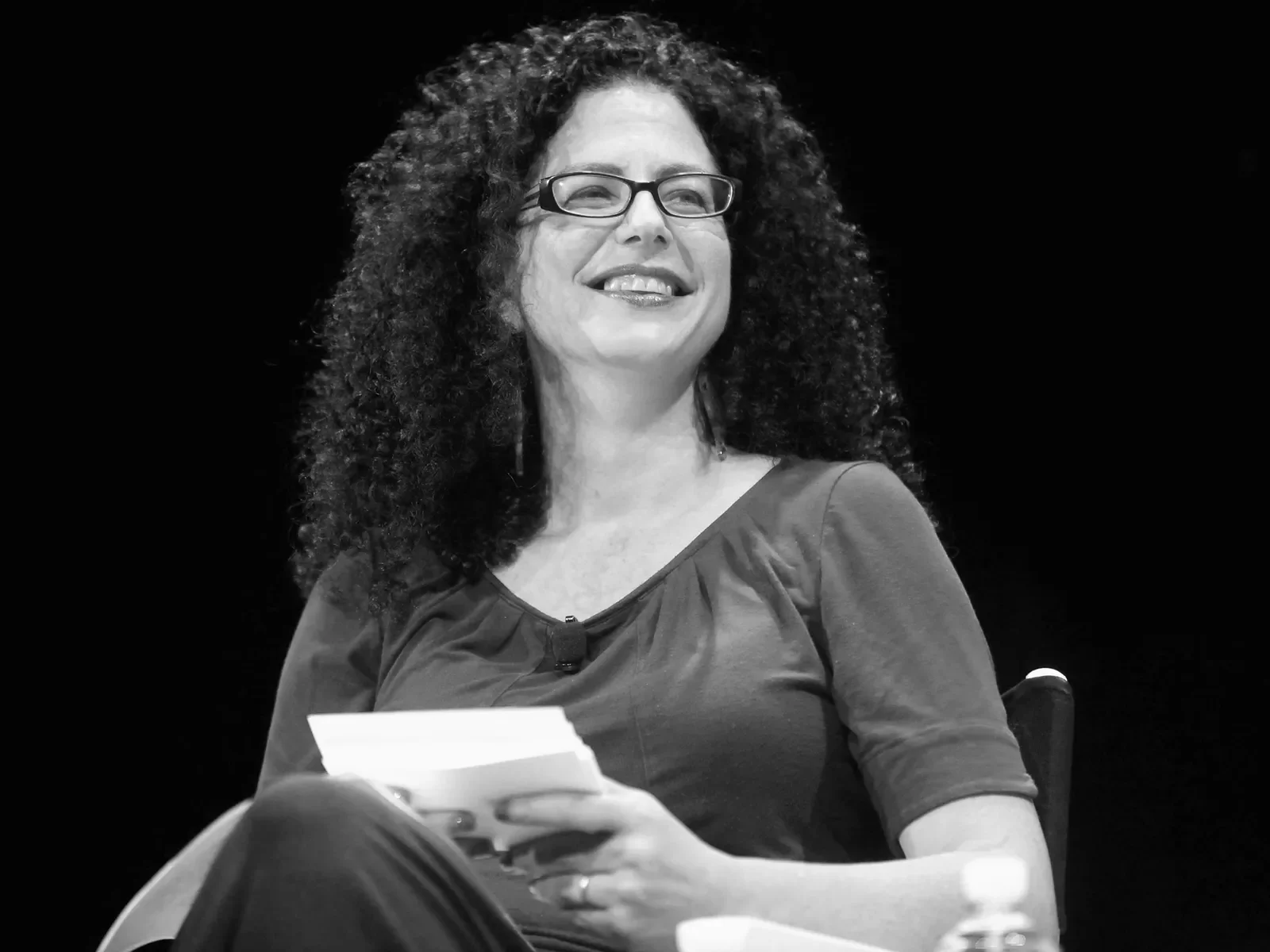
Emily Nussbaum is a staff writer for The New Yorker, and previously, was the magazine's television critic. She worked as an editor and a writer at New York Magazine, where she created The Approval Matrix. She's also written for Slate, The New York Times, Lingua Franca and Nerve, among other publications. In 2016, she won the Pulitzer Prize for Criticism.
She lives in Brooklyn with her husband Clive Thompson and her two children. She doesn't have a favorite television show, but under pressure, she'll choose "Slings and Arrows." Find her new book, Cue the Sun: The Invention of Reality TV right here: https://amzn.to/3CSw6tB
Episode 106: We Watched Gladiator II So You Don’t Have To with Dr. Sarah Bond and Dr. Bret Devereaux
HOO BOY this week Roman historians Dr. Sarah Bond and Dr. Bret Deveraux drop in to talk about Ridley Scott's ode to his first film, uh, ancient Rome, Gladiator II. We talk about the legacy of the first film, our impressions of the new release, and the actual history behind Gladiator II. This discussion is pretty epic. Stay tuned and subscribe.
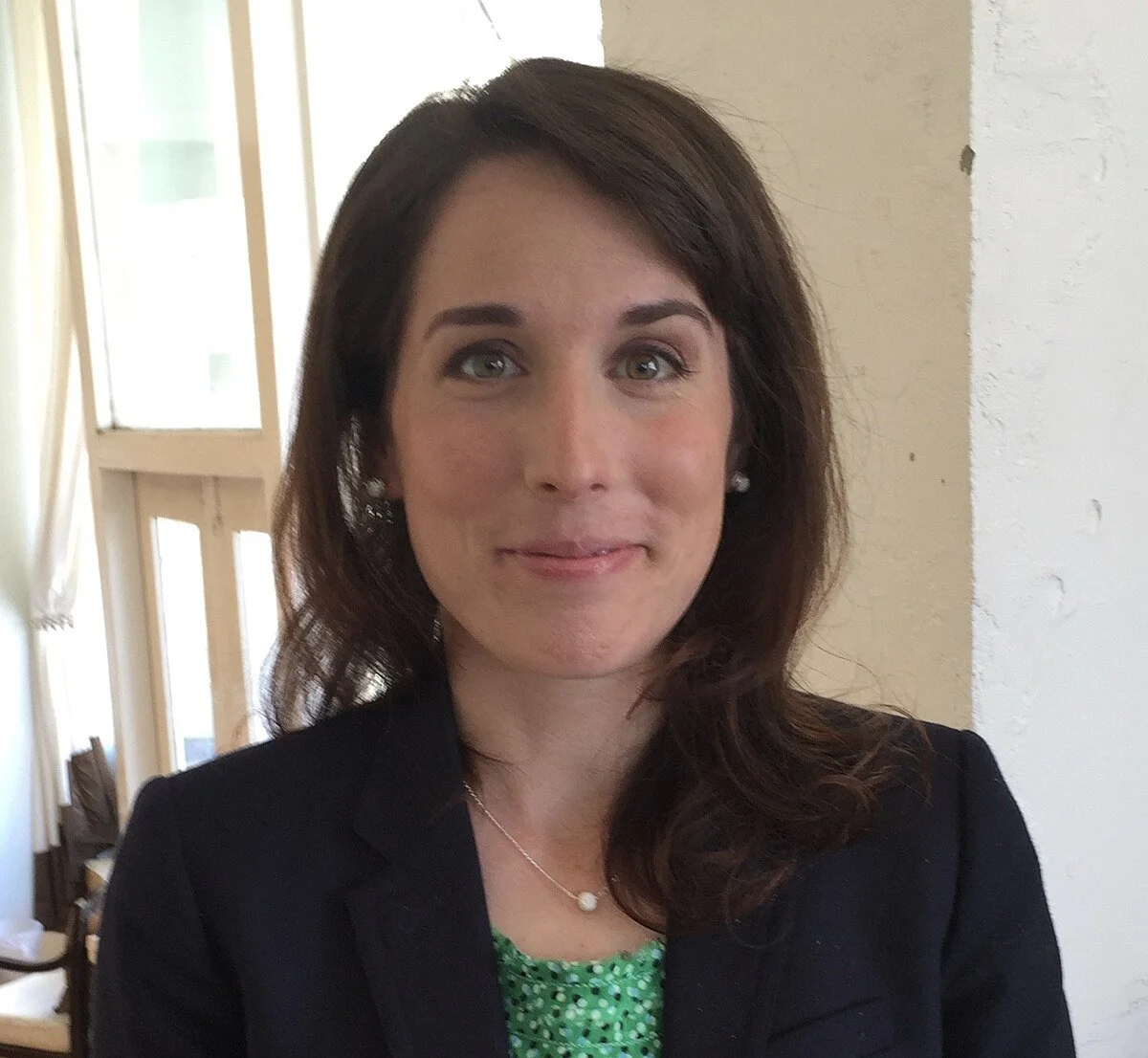
Dr. Sarah E. Bond is an Associate Professor of History at the University of Iowa. She is interested in late Roman history, epigraphy, late antique law, Roman topography and GIS, Digital Humanities, and the socio-legal experience of ancient marginal peoples. She earned a PhD in History from the University of North Carolina at Chapel Hill (2011) and obtained a BA in Classics and History with a minor in Classical Archaeology from the University of Virginia (2005). Her book, Trade and Taboo: Disreputable Professionals in the Roman Mediterranean, was published with the University of Michigan Press in 2016. Follow her blog: History From Below.
Additionally, Bond is a regular contributor at Hyperallergic, a columnist at the Los Angeles Review of Books, and a section editor at Public Books. She has written for The New York Times, The Chronicle of Higher Education, and The Washington Post.

Bret is a historian of the broader ancient Mediterranean in general and of ancient Rome in particular. His primary research interests sit at the intersections of the Roman economy and the Roman military, examining the ways that the lives of ordinary people in the ancient world were shaped by the structures of power, violence and wealth under which they lived and the ways in which they in turn shaped the military capacity of the states in which they lived (which is simply a fancy way of saying he is interested in how the big picture of wars, economic shifts and politics impacted the ‘little’ folks and vice versa). More broadly he is interested in many of the nuts-and-bolts of everyday life in the ancient world, things like the production of textiles, the economics of small farming households, and the burden of military service.
He is also a lifetime fan of fantasy, science fiction and speculative fiction more generally. Bret enjoys good music, bad jokes and writing about himself in the third person. He is also required, by law and ancient custom, to inform absolutely everyone that he has, in fact, beaten Dark Souls (and now also Elden Ring).
Episode 105: 12 Years A Slave with Robert Colby
This week Dr. Robert Colby joins us as we talk about one of the most powerful—and one of the most challenging—films in recent memory: 12 Years A Slave. We also talk about Rob’s new book which examines the trade of enslaved people during the American Civil War.

Robert Colby is an Assistant Professor of American history, focusing on the era of the American Civil War.
Dr. Colby’s research explores the social, military, and political experience of the Civil War era with a special emphasis on slavery and the process of emancipation. His current book project examines the survival of the domestic slave trade during the War, demonstrating the ways in which Confederates used slave commerce to survive the conflict and the ways in which it shaped the onset of African American freedom. His is the winner of the Society of Americans’ Allan Nevins Prize and the Society of Civil War Historians’ Anne J. Bailey Prize and Anthony E. Kaye Memorial Essay Award. His research on the wartime slave trade was also a finalist for the Southern Historical Association’s C. Vann Woodward Award. Colby’s writing has appeared in the Journal of the Civil War Era, theJournal of the Early Republic, and Slavery & Abolition. He has also published on Civil War monuments and written on disease in the domestic slave trade.
Dr. Colby earned is B.A. in history from the University of Virginia and his M.A. and Ph.D. from the University of North Carolina at Chapel Hill. Prior to coming to the University of Mississippi, he was a Postdoctoral Fellow and Visiting Assistant Professor in the Center for American Studies at Christopher Newport University.
Episode 104: Space Camp with Kevin Rusnak and Emily Carney
This week Kevin Rusnak and Emily Carney drop in to talk about the movie that made us all dream of going to Space...or at least Cape Canaveral. This episode gets into an era of nostalgia around the Space Shuttle program, the changing role of women inside NASA, and how the Challenger disaster affects how we remember this movie.
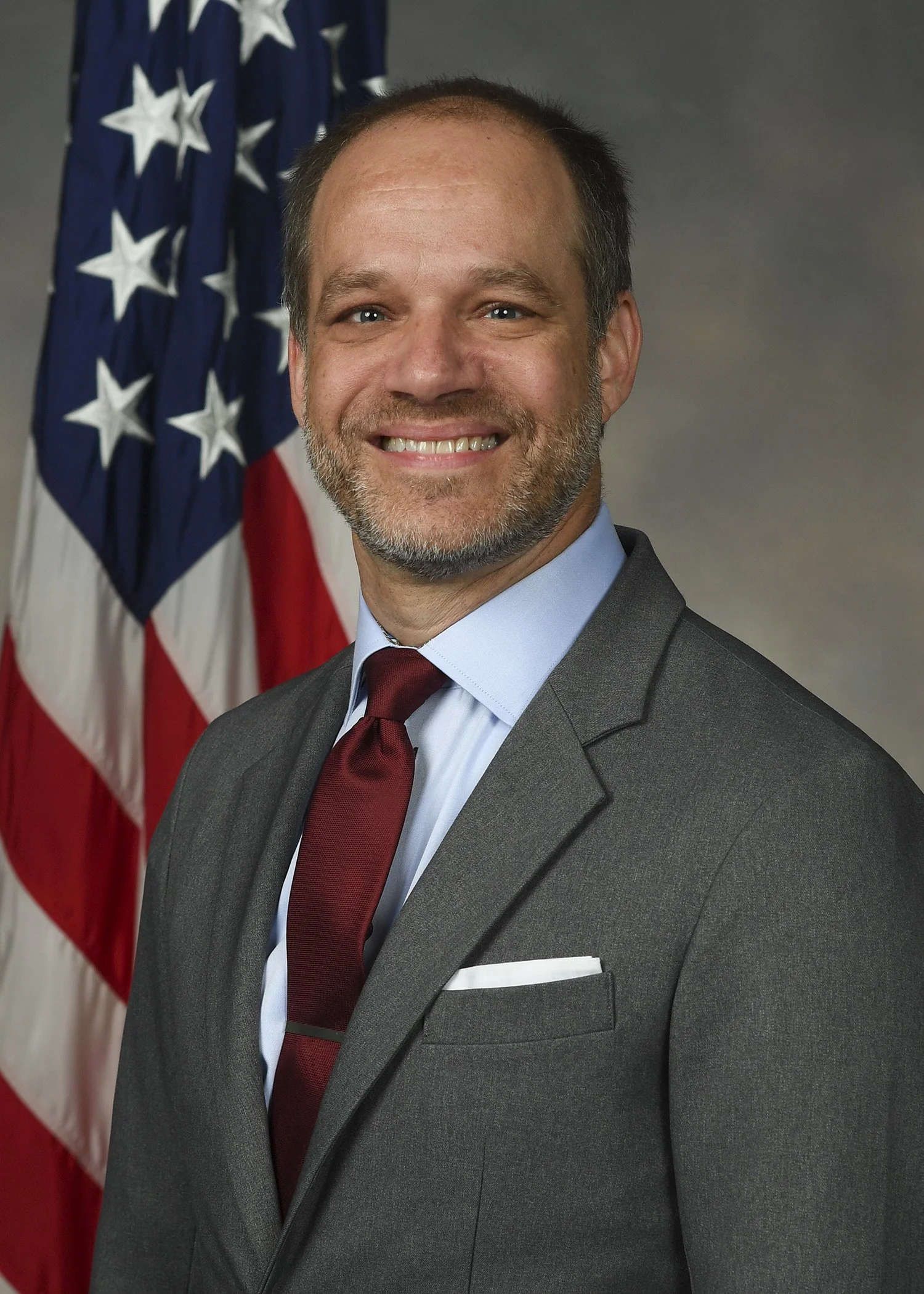
Kevin M. Rusnak is the Chief Historian of the Air Force Life Cycle Management Center History Office, located at Wright-Patterson Air Force Base, in Dayton, Ohio. He is responsible for leading the professional research, collection, preservation, analysis, writing, and dissemination of AFLCMC's history and heritage to the organization’s leadership and workforce, as well as to a public audience. Disclaimer: Kevin's thoughts and opinions do not reflect those of his employer or the federal government.
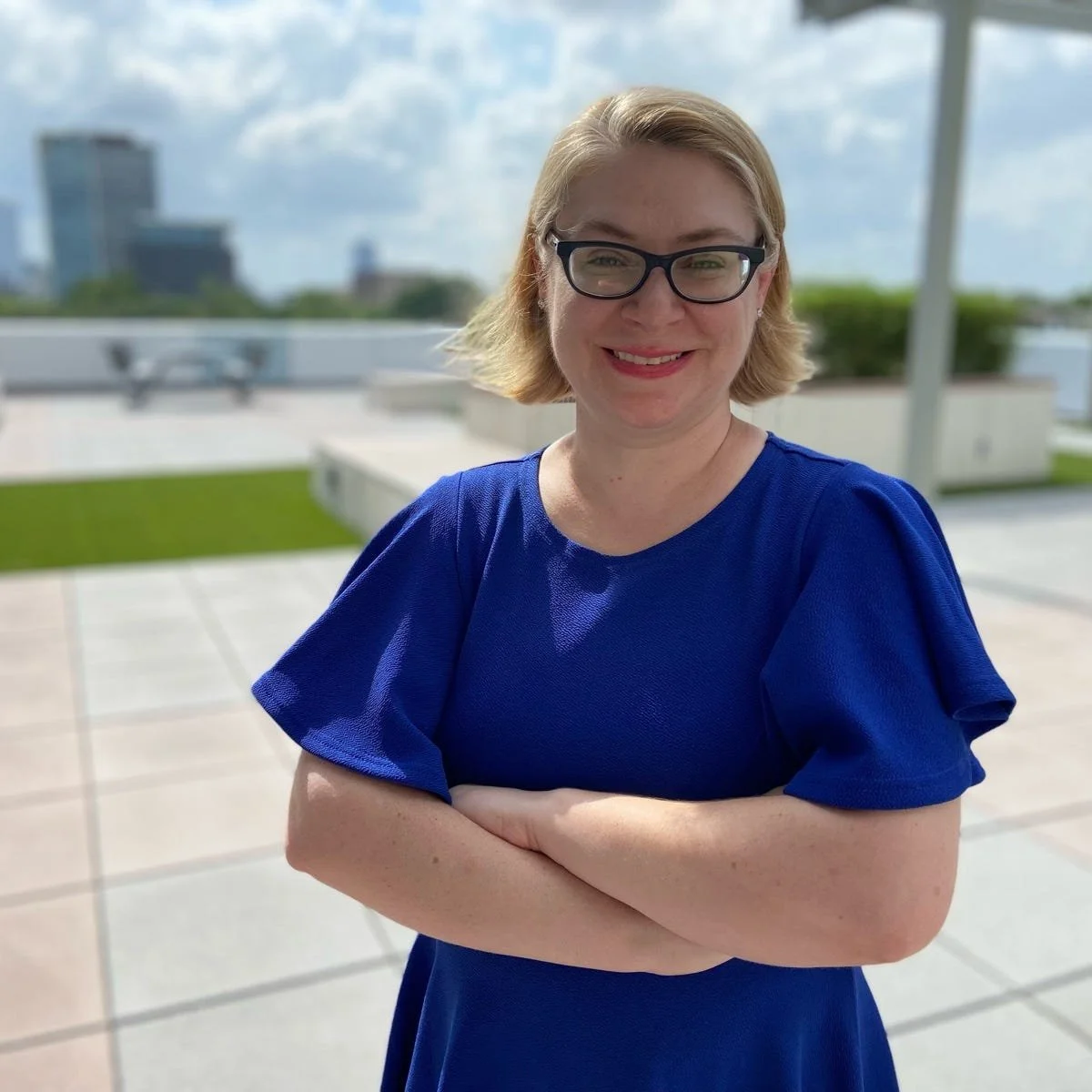
Emily Carney is a spaceflight professional with over a decade of industry experience. She is a space historian and podcaster, and the original Space Hipster. In 2018, the National Space Society named her one of the Top Ten Space Influencers. She is also the co-host of the Space and Things podcast and a Celestis Ambassador at Celestis Memorial Spaceflights.
Episode 103: The Terminator with Dr. Craig Bruce Smith and Dr. Robert Greene II
This week Craig Bruce Smith and Robert Greene II drop in to debate whether The Terminator was the most important film made in the 1980s, plus ranking the biggest action stars from 1980 to 2000.
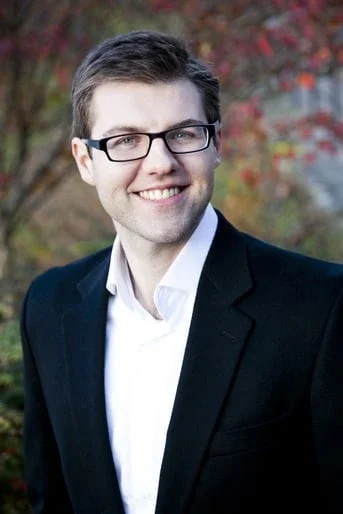
Craig Bruce Smith is professor of history at National Defense University in the Joint Advanced Warfighting School (JAWS) in Norfolk, VA. He authored American Honor: The Creation of the Nation’s Ideals during the Revolutionary Era and co-authored George Washington’s Lessons in Ethical Leadership.
Smith earned his PhD in American history from Brandeis University. Previously, he was an associate professor of military history at the U.S. Army School of Advanced Military Studies (SAMS), an assistant professor of history, and the director of the history program at William Woods University, and he has taught at additional colleges, including Tufts University. He specializes in American Revolutionary and early American history, specifically focusing on George Washington, honor, ethics, war, the founders, transnational ideas, and national identity. In addition, he has broader interests in colonial America, the early republic, leadership, and early American cultural, intellectual, and political history.
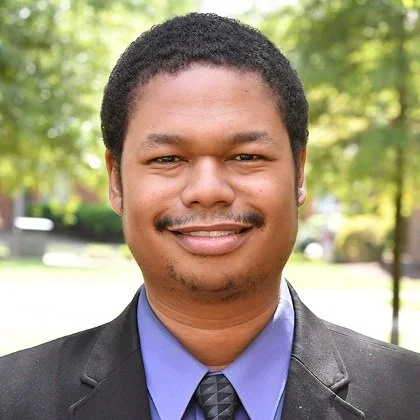
Robert Greene II is Assistant Professor of History at Claflin University. Dr. Greene received his Bachelor of Arts in Writing and Linguistics with a concentration in Creative Writing from Georgia Southern University; his Master of Arts in History from Georgia Southern University; and earned his Ph.D. in History from the University of South Carolina, Columbia. Dr. Greene recently completed his dissertation at the University of South Carolina, about the ways in which Democratic Party leaders in the South from 1964 to 1994 vied for the African American vote via appeals to Southern identity and memory of the Civil Rights Movement. Mr. Greene has published a book chapter in the collection Navigating Souths, and has published a scholarly article in Patterns of Prejudice. He has also published at several popular magazines and websites, including The Nation, Jacobin, Dissent, Scalawag, Current Affairs, and Jacobin.His research interests include African American history, American intellectual history since 1945, and Southern history since 1945. Dr. Greene is also a blogger and book review editor for the Society of U.S. Intellectual Historians, and has just begun a six-post stint for the Teaching American History blog.
Episode 102: Scream with Dr. Rachel Gunter and Nicole Donawho
This week, resident HATM horror experts Rachel Gunter and Nicole Donawho drop in to talk about Scream, its legacy, and our favorite scream queens.
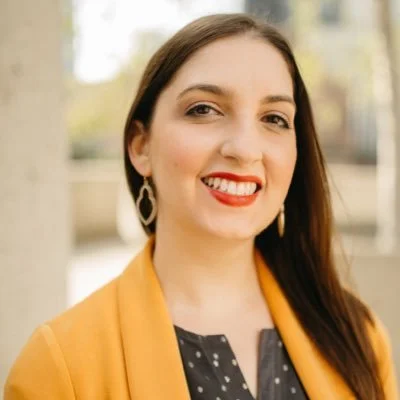
Rachel Michelle Gunter is a public historian and a professor of History at a community college in North Texas. She earned a Ph.D. in American history from Texas A&M University in 2017.
She studies the woman suffrage movement in the United States from 1917 to 1923 focusing on how the successes and failures of the movement affected the voting rights of other groups including resident noncitizen voters, Mexican and German immigrants, servicemen, WWI veterans, Mexican Americans, and Black Americans. As part of this research she also looks into changes to the voting system including the beginning or expansion of absentee balloting in much of the United States and how many southern states altered their poll taxes during wartime so as to not disfranchise soldiers or veterans. She further researches the suffragists' and later the League of Women Voters' efforts to gain married women's independent citizenship, instead of the government deriving their citizenship status from their husbands.
In her work teaching the U.S. history surveys, she strives to engage students in creative ways. You can see several of her class activities or assignment ideas under the pedagogy tab.
Nicole Donawho is a professor of history at a community college in North Texas. When she’s not teaching, she enjoys watching Star Trek and fostering dogs through a local non-profit.
Episode 101: The Thing with Dr. Peter Neff, Dr. Matthew Siegfried, and Dr. Daniella McCahey
This week we dive into the history and science behind Antarctica and question who made it out: Childs or MacReady? The Thing is a 100% PERFECT film. Grab your flamethrower and join in.
Dr. Peter Neff is a glaciologist and climate scientist working primarily to develop glacier ice core records of past climate, environmental conditions, and atmospheric chemistry. Peter’s current research focuses on better understanding recent climate of changing coastal regions in West Antarctica, areas which play a large role in uncertainty for future projections of sea level rise. Peter is also working to capture the last 200-500 years of hydroclimate variability in southwestern British Columbia, Canada, through recovering and developing the southernmost annually-resolved ice core record in North America, from Mount Waddington in the Coast Mountains. Peter is also the Director of Field Research and Data for the Center for Oldest Ice Exploration (COLDEX), a National Science Foundation Science and Technology Center that seeks to find the oldest possible ice core records of past climate preserved in Antarctica. Peter shares widely about ice core climate science via Twitter, TikTok, and Instagram.
Matthew Siegfried is a glaciologist who uses satellite remote sensing techniques in combination with field-based and airborne geophysical methods to understand physical processes of Earth’s glaciers and ice sheets. He runs the Mines Glaciology Laboratory, where the team collects and synthesizes ground-, air-, and space-based datasets in an effort to span the spatial (centimeters to 100s of km) and temporal (minutes to centuries) on which these processes occur. He is particularly interested in processes at the ice-bed interface, which lies hidden beneath 10s to 1000s of meters of ice at the intersection between glaciology, hydrology, geology, microbiology, and oceanography. He strives to work with a diverse set of researchers to create a unique perspective on the role of subglacial processes within the larger global Earth system. As a polar scientist, Matt is also committed to maintaining an open discussion of the changing cryosphere, having collaborated with institutions ranging from local elementary schools to the U.S. State Department in an effort to facilitate our conversation about the local, regional, and global impacts of changes at the Earth’s poles. Matt is currently an assistant professor in the Department of Geophysics at Colorado School of Mines and is affiliated faculty with the Hydrologic Science and Engineering Program and the Humanitarian Engineering Program.
Daniella McCahey's primary research attempts to connect Antarctic geographies to greater world history. Her current book project examines the United Kingdom’s 1955-1958 Commonwealth Trans-Antarctic Expedition, arguing that the way this project unfolded demonstrated a scientific community unable to cope with the twin pressures of decolonization and the Cold War. Dr. McCahey has broad interests and has authored/co-authored articles and scholarly book chapters on topics ranging from the media-savvy of Elizabeth Bowes-Lyon, to paleontology and popular culture in the 1990s, to pornography in Antarctic research stations. She is also conducting ongoing international collaborative research projects on the history of permafrost science and on the history of the British Empire’s use of science in its Southern Ocean empire.
Episode 100: Stargate with Dr. Julia Troche and Dr. Stuart Tyson Smith
Wait, the pyramids weren’t built by aliens???This week HATM celebrates our 100th episode by talking Egyptology with Julia Troche and Stargate’s historical consultant, Stuart Tyson Smith.
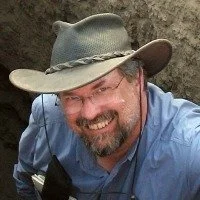
Professor Smith’s research centers on the civilizations of ancient Egypt and Nubia. He is particularly interested in the identification of ethnicity in the archaeological record and the ethnic dynamics of colonial encounters. Ancient Egyptian colonialism, intercultural interaction and the origins of the Napatan state, whose rulers conquered Egypt, becoming Pharaohs of the 25th Dynasty, provide the focus of his current archaeological research. He has published on the dynamics of Egyptian imperialism and royal ideology, the use of sealings in administration, death and burial in ancient Egypt and Nubia, and the ethnic, social and economic dynamics of interaction between ancient Egypt and Nubia. Smith’s material specialization lies in ceramic analysis, including the chemical characterization of absorbed residues. He is also an active field archaeologist, having participated in and led archeological expeditions to Egypt, including the Luxor’s Theban Necropolis, and since 1997 to Sudanese Nubia, where he directs excavations at third cataract of the Nile in the New Kingdom and Napatan cemetery of Tombos (photo to right), along with co-director and UCSB alum Prof. Michele R. Buzon of Purdue University.
In 1993, he took a break from the academic world and became the Egyptological Consultant on the hit MGM movie ‘Stargate,’ giving advice on the script, sets and costumes, and recreating spoken ancient Egyptian for about half the movie’s dialog. He renewed his Hollywood connection in 1998 by consulting on the script and reconstructing spoken ancient Egyptian for another hit movie, the recent Universal remake of ‘The Mummy,’ continuing this work in 2000 with the sequel ‘The Mummy Returns.’ Most recently, he returned to the Stargate franchise with MGM's 2018 web streaming production, Stargate Origins: Catherine (photo to left). You can find an interview from Egypt Revealed linked here.

Dr. Julia Troche is and Egyptologist and Associate Professor of History. In 2022 she was awarded her university's highest teaching award followed by the Missouri Governor's Award for Education Excellence. She is committed to advocating for students, early career scholars, and contingent faculty, and fostering inclusive spaces for learning about the ancient world. She is dedicated to the university Public Affairs mission, evinced by her numerous Service-Learning courses, public lectures, and community engagements, such as co-curating with Bryan Brinkman and student input an exhibition of antiquities at the Springfield Art Museum (Ancient Artifacts Abroad, spring 2024).
Julia's areas of instruction and research include social history, religion, archaeology, digital humanities, and reception studies of antiquity. Julia received her PhD from Brown University's Department of in Egyptology & Assyriology in 2015, and her BA in History from UCLA in 2008. She serves as Committee Chair (2024-2027) for her field’s annual, international conference (the American Research Center in Egypt Annual Meeting) and as co-chair (2023-2026) for the Archaeology of Egypt sessions at the Annual Meeting of the American Society of Overseas Research.
Julia is an active member of her field, sitting on numerous international, national, and regional Boards and committees. Since 2022, she is a membership-elected Governor on the American Research Center in Egypt’s Board of Governors (a 501c3 non-profit, cultural institution in Egypt; www.arce.org). She co-founded both the ARCE, Missouri Chapter (Past President and Vice President, current Director focusing on Finance) and the annual Missouri Egyptological Symposium. She attended the HERS Leadership Institute in 2024 for women leaders in higher education (hersnetwork.org). She has served her campus community since arriving here in 2017 as a Bear Bridge mentor (2023, Outstanding Bear Bridge Faculty Mentor award), Safe-Zone Faculty Advisor, Advisor for the Ancient Worlds Club, Co-Advisor for History Club, and supporting her department through extensive service, including—at various times—chairing Undergraduate Committee and Personnel Committee, sitting on about three-dozen MA committees, serving on five search committees (chairing two), and serving as a past Faculty Senate and College Council department representative.
Episode 99: Dawn of the Dead with Dr. Kelly Baker and Dr. Thomas Lecaque
It's spooky season around here and that means it's time to visit Dawn of the Dead. Kelly Baker and Thomas Lecaque drop into to talk about the history of zombies in western culture, our favorite zombie kills, and exactly what we'd do in the zombie apocalypse.

Kelly J. Baker received her PhD (2008) in American religious history from Florida State University‘s department of Religion. Her scholarship encompasses a variety of topics including white supremacy and white supremacists, religion and popular culture, religious and racial hatred, apocalypticism, religion and gender, and horror and monsters. She has taught courses on all of these topics at Florida State University, University of New Mexico and University of Tennessee.
She is the author of the award-winning Gospel According to the Klan: The KKK’s Appeal to Protestant America, 1915-1930 (University Press of Kansas, 2011); The Zombies Are Coming!: The Realities of the Zombie Apocalypse in American Culture (Bondfire Books, 2013); Grace Period: A Memoir in Pieces (killing the buddha and Raven Books, 2017); and Sexism Ed: Essays on Gender and Labor in Academia (Raven Books, 2018). She is also an editor of the forthcoming Succeeding Outside of the Academy: Career Paths Beyond the Humanities, Social Sciences, and STEM (University Press of Kansas, Fall 2018).
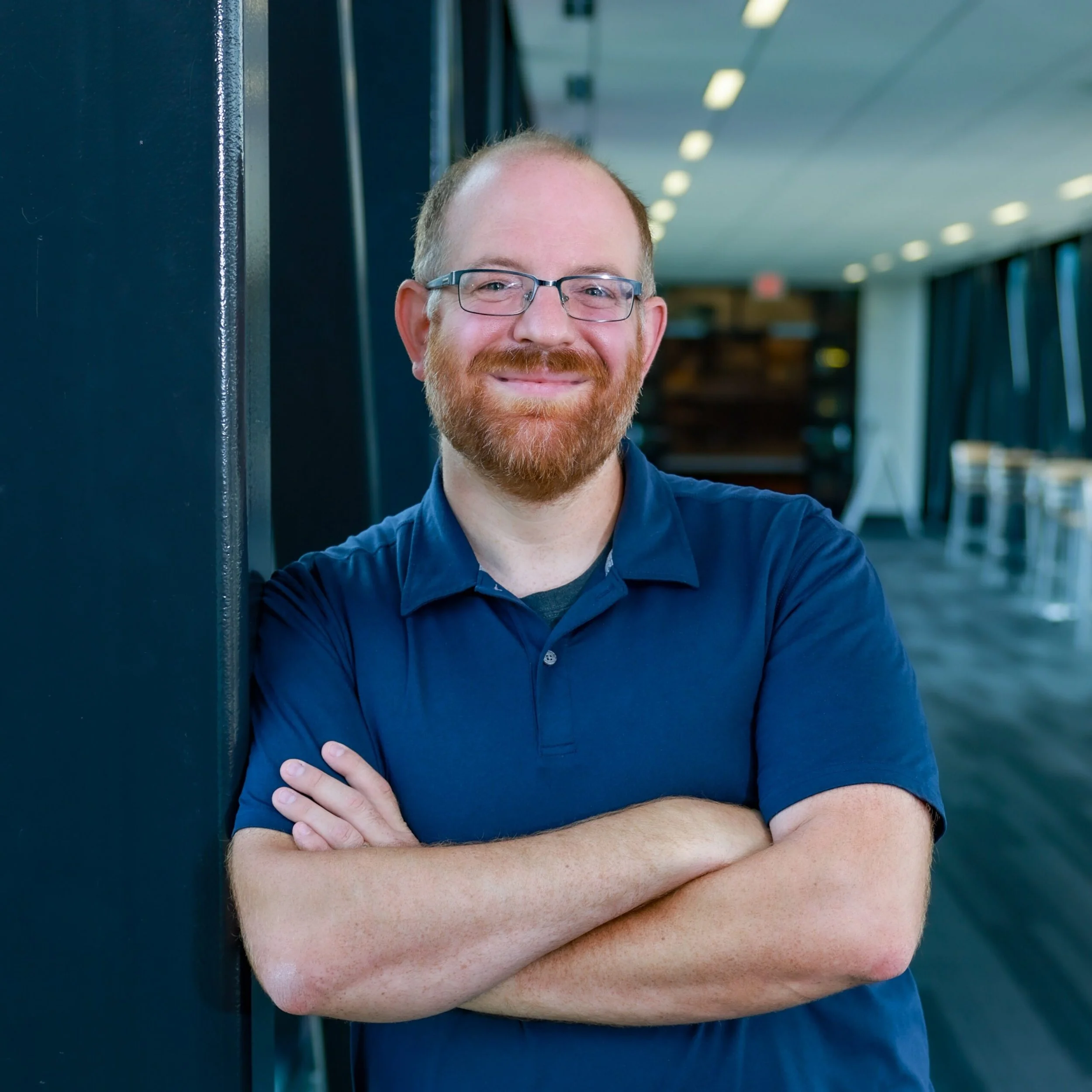
Dr. Thomas Lecaque is an Associate Professor of History at Grand View University. He has a Ph.D. in Pre-Modern European History from the University of Tennessee, an M.A. in English with a focus on Old English and Anglo-Norman literature from Truman State University, and a B.A. (also from Truman) in History with minors in Philosophy & Religion and English.
His dissertation, "The Count of Saint-Gilles and the Saints of the Apocalype: Occitanian Culture and Piety in the Time of the First Crusade," examined the importance of distinct regional identities in the performance of the First Crusade, focusing specifically on the territories controlled by and formative to Raymond of Saint-Gilles, Count of Toulouse, Duke of Narbonne, and Marquis of Provence. The unique cultural, religious, and political aspects of Occitania shaped the way the Provencal contingent on the First Crusade went about organizing, performing, and understanding crusading; the difference between Occitanian regions also helps us to understand the way Raymond of Saint-Gilles and Raymond d'Aguiliers perceive their actions and the role of the Holy Lance. This work offers a new vision of the First Crusade, one where universal motivations are less important than the specific regional identities of each crusading contingent.
His research has moved on to looking at the same language of religious violence and apocalypticism and its impact on other time periods and events. His current project looks at the rhetoric of holy war across languages and denominations in the wars of empire between England and France and numerous Native polities in the northeastern section of the United States. He also works on expressions of these sentiments in contemporary America, largely via public essays in places like The Washington Post, Foreign Policy, The Bulwark, Religious Dispatches, and the History News Network.
Episode 98: First Man with James R. Hansen and Kevin Rusnak
This week we talk about the life and legacy of Neil Armstrong and the Apollo 11 mission. Joining us is Jim Hansen, who wrote the book First Man and served as a consultant on the film, along with HATM space expert Kevin Rusnak. We talk about the Armstrong's inward journey into outer space, his relationships with his fellow astronauts, and the role his wife Janet played in Armstrong's journey. We also get some inside details on the making of the film, including Ryan Gosling and Damien Chazelle's work to get this movie made. This is a podcast on NASA, Neil Armstrong, and an absolutely brilliant film unlike any you've heard before.
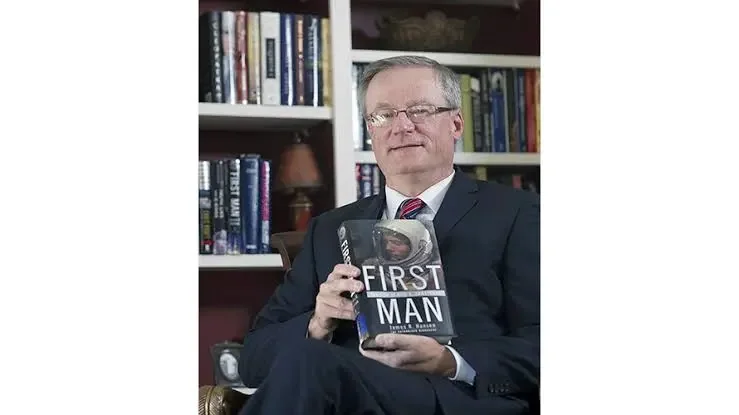
James R. Hansen is a professor emeritus of history at Auburn University. A former historian for NASA, Hansen is the author of twelve books on the history of aerospace and a two-time nominee for the Pulitzer Prize in History. His 1995 book Spaceflight Revolution was nominated for the Pulitzer by the National Aeronautics and Space Administration, the only time NASA ever nominated a book for the prize. He serves as coproducer for the motion picture First Man, which is based on his New York Times bestselling biography of Neil Armstrong.
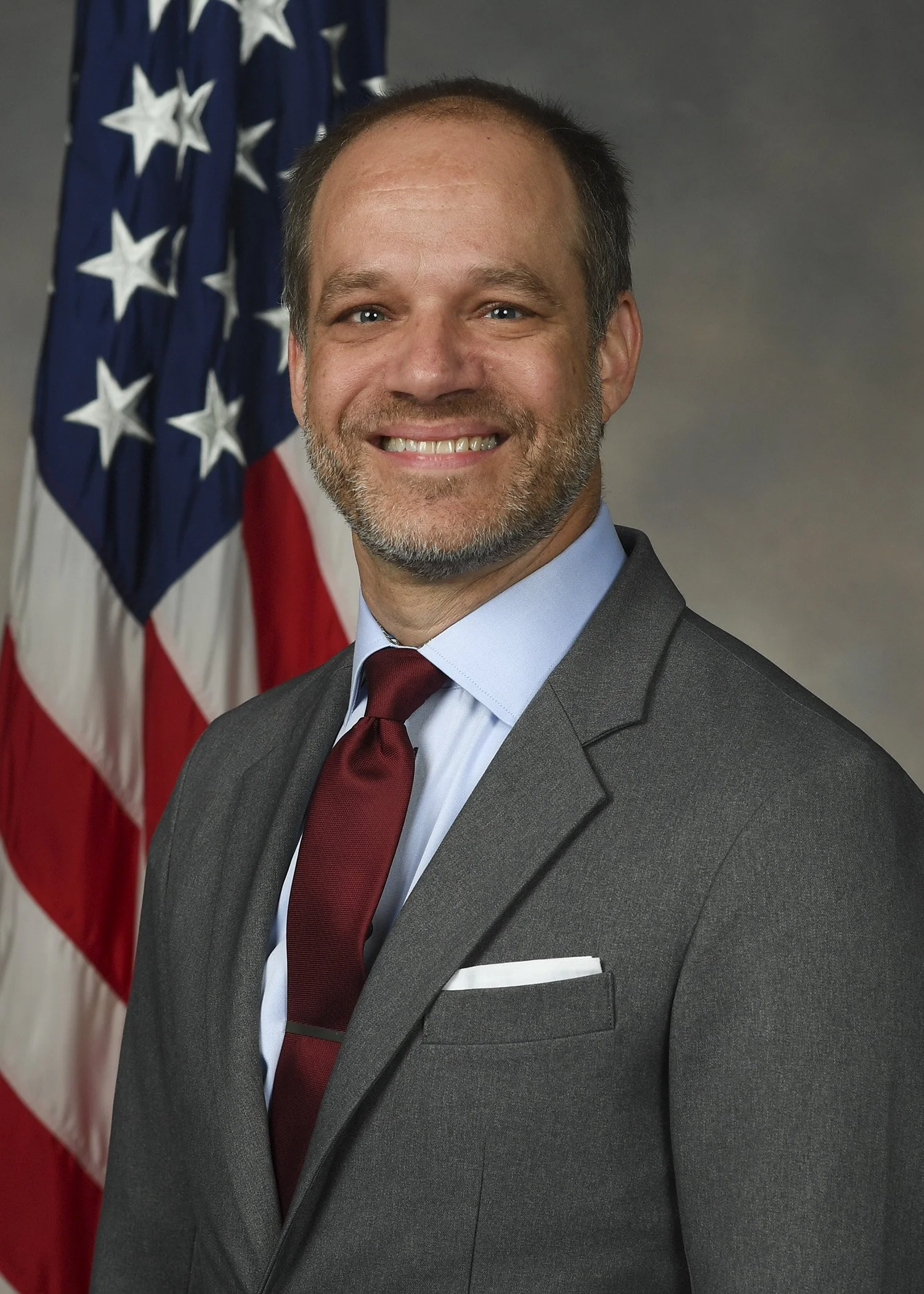
Kevin J. Rusnak is the Chief Historian of the Air Force Life Cycle Management Center History Office, located at Wright-Patterson Air Force Base, in Dayton, Ohio. He is responsible for leading the professional research, collection, preservation, analysis, writing, and dissemination of AFLCMC's history and heritage to the organization’s leadership and workforce, as well as to a public audience.
Mr. Rusnak graduated with a degree in History from the University of Dayton, Ohio, in 1995, and subsequently entered the History of Technology graduate program at the Georgia Institute of Technology, Atlanta, Georgia. His thesis focused on the production of B-29 bombers in Marietta, Georgia, during World War II, while his dissertation explored the development of Air Force and NASA pressure suits and space suits from the 1930s through the 1960s. He spent over four years as a historian at the NASA Lyndon B. Johnson Space Center in Houston, Texas, where he researched and interviewed dozens of pioneering engineers, managers, and astronauts from the early years of human spaceflight.
Mr. Rusnak joined the Air Force History and Museums program in 2002 as the Senior Historian for the Air Force Research Laboratory (AFRL) at Wright-Patterson AFB. Over the next 18 years, he researched and wrote numerous annual histories, biographies, reports, heritage products, and special studies. In 2017, he was the primary author for AFRL’s award-winning 100-year history compendium, Aiming Higher: A Century of Research in Science and Technology by the Air Force Research Laboratory and its Predecessors, as well as for its companion photo essay volume. He also pioneered AFRL’s leveraging of history on modern platforms, such as social media, to provide a broader audience with access to AFRL’s significant legacy.
Episode 97: Any Given Sunday with Dr. Lou Moore
Any Given Sunday turns 25 this year and it may have predicted the modern football era whether the NFL liked it or not. Sports historian Lou Moore stops in to talk about the rise of Black quarterbacks, CTE, social media in sports, malevolent owners, and his new book The Great Black Hope: Doug Williams, Vince Evans, and the Making of the Black Quarterback.
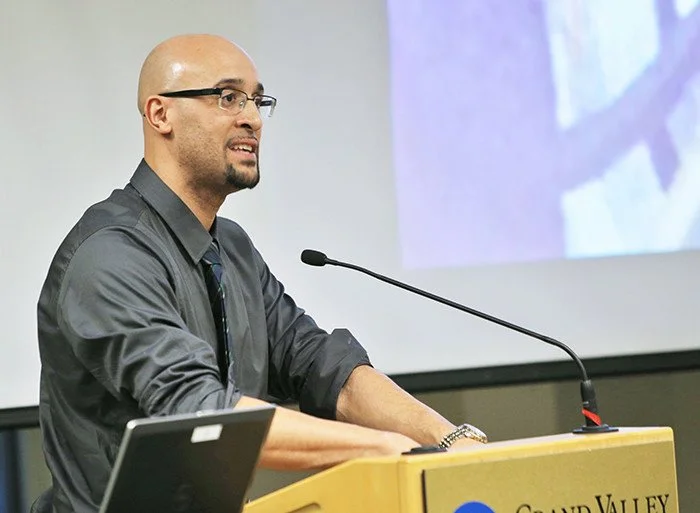
His research and writing examines the interconnections between race and sports. He is the author of three books, I Fight for a Living: Boxing and the Battle for Black Manhood, 1880-1915 and We Will Win the Day: The Civil Rights Movement, the Black Athlete, and the Quest for Equality, and The Great Black Hope: Doug Williams, Vince Evans, and the Making of the Black Quarterback. In addition, he has two audible lectures; African American Athletes Who Made History and A Pastime of Their Own: The Story of Negro League Baseball. He has also written for various online outlets including The New York Daily News, Vox, The Global Sports Institute, First and Pen, and the African American Intellectual Historical Society, and he has appeared on NPR, MSNBC, CNN, and BBC Sports. The co-host of the Black Athlete Podcast.
Emergency Pod: The Penguin with Dr. Blake Scott Ball
Colin Farrell is back as the boss of Gotham City. This week Blake Scott Ball, author of the forthcoming book Batman: The Making of an American Myth joins in to talk about Batman, the Penguin, and whether or not you should check out the show.
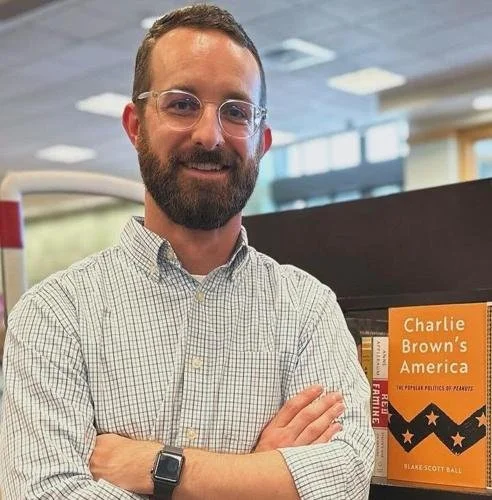
Dr. Blake Scott Ball is an expert in 20th century American political, social, and cultural history. His new book, "Charlie Brown's America: The Popular Politics of Peanuts" was published by Oxford University Press in May 2021.
Episode 96: Pirates of the Caribbean with Dr. Jamie Goodall and Dr. Rebecca Simon
It's Talk Like A Pirate Day and that makes it the perfect time to invite pirate historians Jamie Goodall and Rebecca Simon to talk about pirate mythology, superstitions at sea, and our favorite books and movies about swashbucklers.
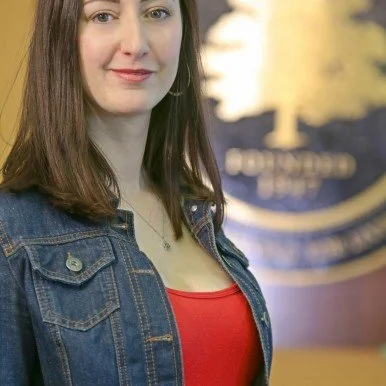
Dr. Jamie Goodall is a historian at the U.S. Army Center of Military History in Washington, D.C. She also teaches part-time at Southern New Hampshire University in their College of Online & Continuing Education. She is the author of Pirates of the Chesapeake Bay: From the Colonial Era to the Oyster Wars (Charleston, SC: The History Press, 2020), National Geographic’s Pirates: Shipwrecks, Conquests, and their Lasting Legacy (Washington, D.C.: National Geographic, 2021), Pirates and Privateers from Long Island Sound to Delaware Bay (Charleston, SC: The History Press, 2022), and The Daring Exploits of Black Sam Bellamy: From Cape Cod to the Caribbean (Charleston, SC: The History Press, 2023).
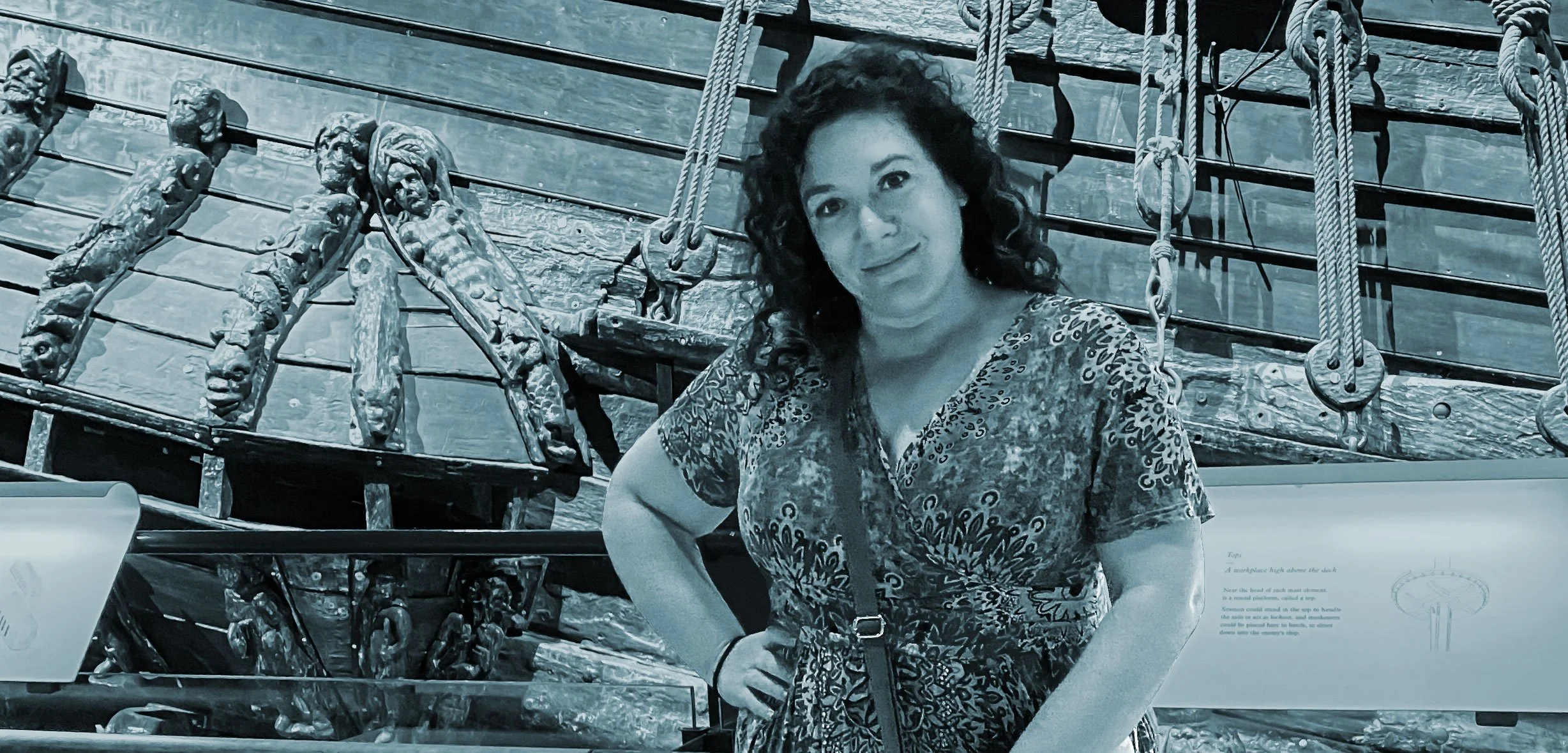
Dr. Rebecca Simon is a historian of early modern piracy, Colonial America, the Atlantic World, and maritime history. She earned her PhD from King’s College London in 2017. My dissertation, entitled: “The Crimes of Piracy and its Punishment: The Performance of Maritime Supremacy in the British Atlantic World, 1670 – 1830,” examines British maritime and legal supremacy in its early American colonies in regards to maritime piracy. She uses the public executions of pirates in London and the Americas as my narrative to see how the colonists reacted to increased legal restrictions by British authorities, which ultimately led to new ideas of autonomy.
Episode 95: How Coppola Became Cage with Zach Schonfeld
This week Zach Schonfeld drops in to talk about his new book detailing Nicolas Cage's origin story. We dive into how Nicolas Coppola grew up in the shadow of his famous uncle, his struggles to break into Hollywood, and the highs and lows of Nicolas Cage's filmography. This pod is the first of its kind and I think you're gonna dig it.
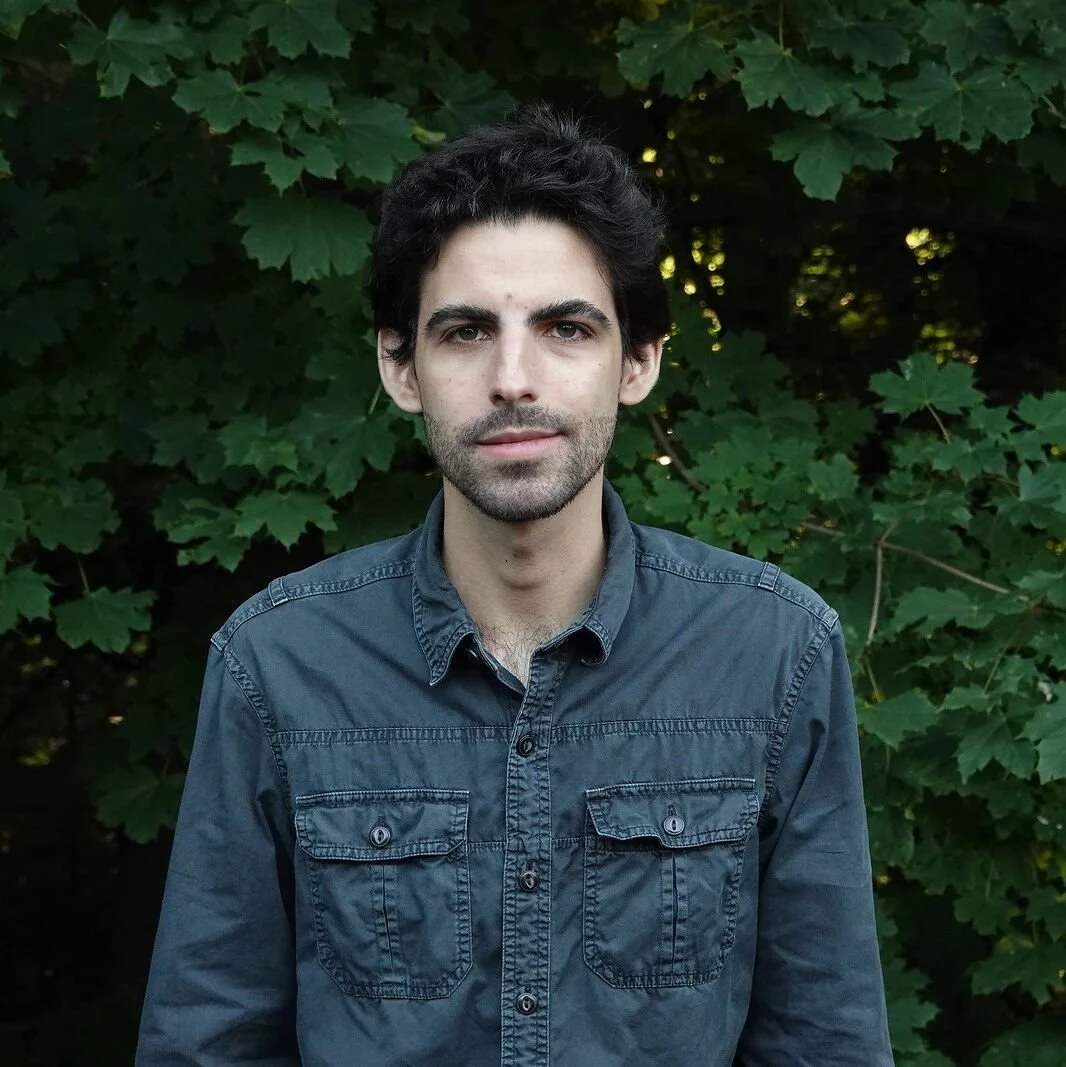
Zach Schonfeld is a freelance journalist, critic, and author known for seeking out untold stories and unexplored angles on music, film, digital culture, and more. From 2014 until 2019, he was a senior writer for Newsweek, where he focused on writing culture features for the print magazine and online. I'm currently a full-time freelance writer, contributing to Pitchfork, The Guardian, Paste Magazine, Vulture, The Ringer, Hell Gate, and many other publications. He has experience writing longform narrative features, sharply argued opinion essays, concise reviews, bizarre rabbit-hole deep dives, and everything in between.
Emergency Pod: Remembering James Earl Jones with Dr. Thomas Lecaque
We lost James Earl Jones today. Thomas Lecaque joins me to remember the man and what he meant to all of us.
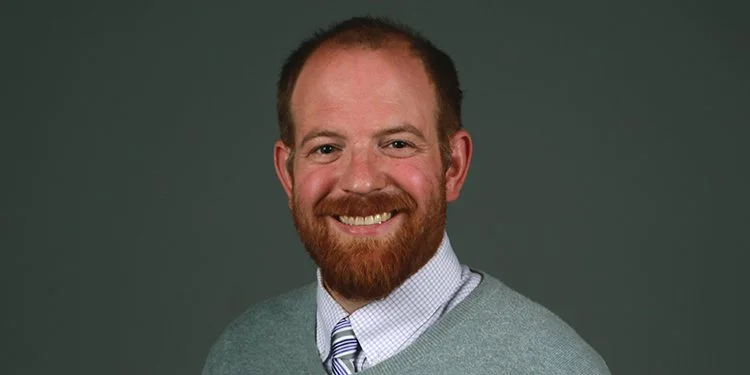
Thomas Lecaque is an associate professor of History at Grand View University in Des Moines, Iowa. He specializes in the nexus of apocalyptic religion and political violence. He has written for the Washington Post, Religion Dispatches, Foreign Policy and The Bulwark, among others.
Episode 94: The Help with Dr. Kellie Carter Jackson
This week Kellie Carter Jackson drops in to talk about The Help. We get into Black representations in film, white savior tropes, and what more nuanced discussions of the lived experiences of Black workers in the Civil Rights era look like. Kellie is a freaking powerhouse. Expect her to be back.
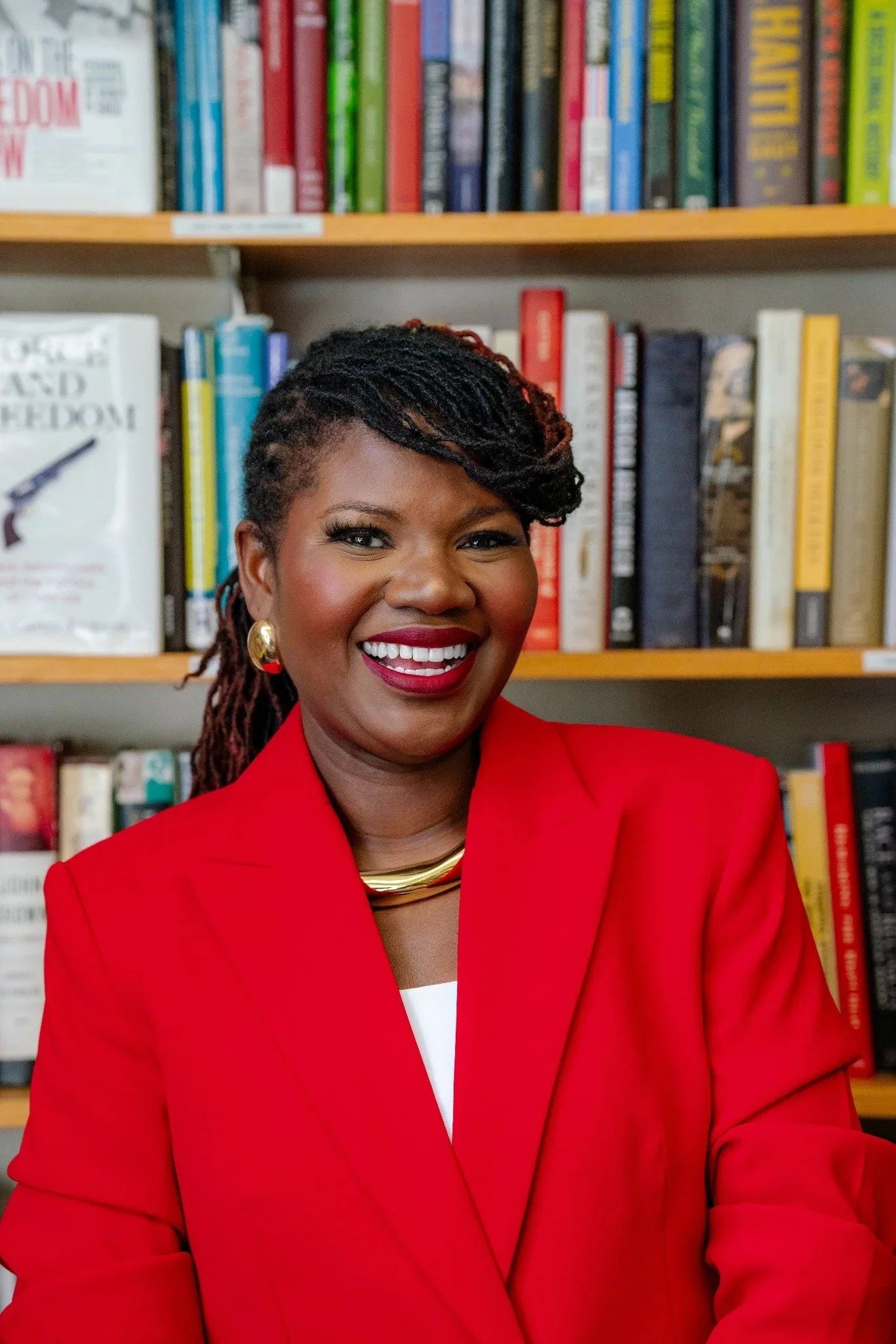
Kellie Carter Jackson is the Michael and Denise Kellen 68’ Associate Professor in the Department of Africana Studies at Wellesley College. She studies the lived experiences of Black people with a focus on slavery, abolitionism, the Civil War, political violence, Black women’s history, and film. She is the author of the award-winning book, Force and Freedom: Black Abolitionists and the Politics of Violence, which won the SHEAR James H. Broussard Best First Book Prize. Force and Freedom was also a finalist for the Frederick Douglass Book Prize, a finalist for the Museum of African American History Stone Book Prize, and listed among 13 books to read on African American History by the Washington Post. Carter Jackson is also co-editor of Reconsidering Roots: Race, Politics, & Memory. Her essays have been featured in The New York Times, Washington Post, The Atlantic, The Guardian, The Los Angeles Times, NPR, and other outlets. She has also been interviewed for her expertise on Netflix, Apple TV, Good Morning America, CBS Mornings, MSNBC, PBS, Vox, CNN, the BBC, the History Channel, Al Jazeera, Slate, and a host of documentaries.
Carter Jackson is also a Historian-in-Residence for the Museum of African American History in Boston. She also serves as a commissioner for the Massachusetts Historical Commission, where she represents the Museum of African American History in Boston.
Carter Jackson's latest book, We Refuse: A Forceful History of Black Resistance (Seal Press), examines a radical reframing of the past and present of Black resistance—both nonviolent and violent—to white supremacy. She is also working on the story of the only Black passenger on the Titanic which examines the unexplored aspect of race, migration, and our obsession with one ship thought to be supreme.
Lastly, Carter Jackson loves a good podcast! She is the co-host of the podcast, “This Day in Esoteric Political History” with Jody Avirgan and Niki Hemmer and serves as the Executive Producer and host of "You Get a Podcast" formerly known as "Oprahdemics: The Study of the Queen of Talk" by Radiotopia with Leah Wright Rigeuer. You can follow her on Twitter @kcarterjackson. She currently resides in the suburbs of Boston with her husband and three children.