Episode 22: Star Trek VI: The Undiscovered Country with Dr. Robert Greene II and Eric Leonard
This week we are joined by Robert Greene II and Eric Leonard to do a deep dive into Star Trek VI: The Undiscovered Country. We'll get into what the film has to say about the end of the Cold War, the process of aging, and the rivalry between the OG and Next Generation crews. Plus, we rank the best and worst of all things Star Trek. Rob and Eric are two of the historians who know Star Trek better than almost anyone alive and this is an awesome podcast for anyone who is a fan of the series.

Assistant Professor of History Dr. Robert Greene II Dr. Greene received his Bachelor of Arts in Writing and Linguistics with a concentration in Creative Writing from Georgia Southern University; his Master of Arts in History from Georgia Southern University; and earned his Ph.D. in History from the University of South Carolina, Columbia. Dr. Greene recently completed his dissertation at the University of South Carolina, about the ways in which Democratic Party leaders in the South from 1964 to 1994 vied for the African American vote via appeals to Southern identity and memory of the Civil Rights Movement. Mr. Greene has published a book chapter in the collection Navigating Souths, and has published a scholarly article in Patterns of Prejudice. He has also published at several popular magazines and websites, including The Nation, Jacobin, Dissent, Scalawag, Current Affairs, and Jacobin.His research interests include African American history, American intellectual history since 1945, and Southern history since 1945. Dr. Greene is also a blogger and book review editor for the Society of U.S. Intellectual Historians, and has just begun a six-post stint for the Teaching American History blog.
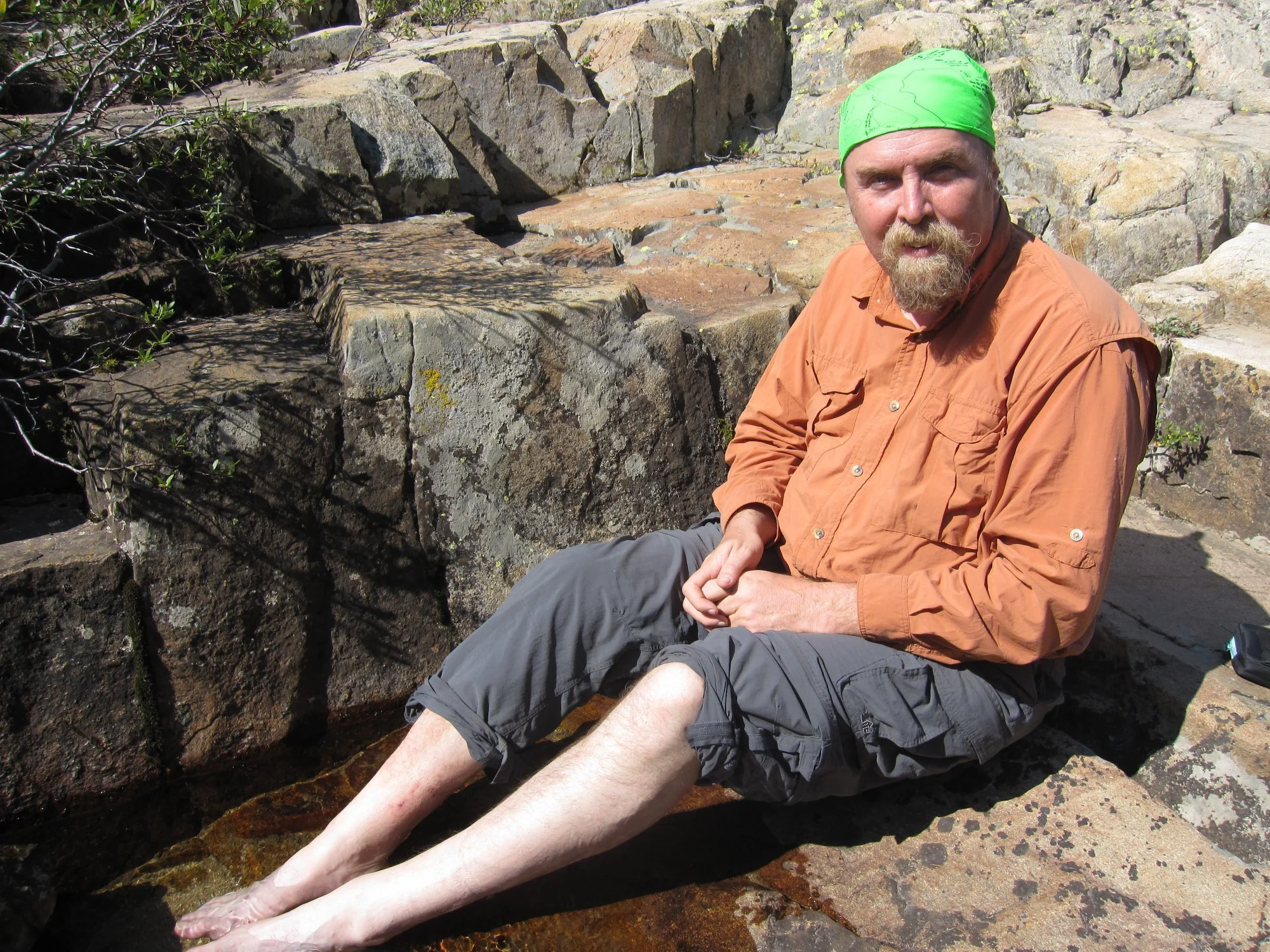
Eric Leonard Leonard has more than 25 years of National Park Service experience.
Episode 21: Carrie with Dr. Rachel Gunter and Nicole Donawho
This week guests Rachel Gunter and Nicole Gunter join me to talk about whether or not Carrie is a high school film, what Stephen King has to say about women, and whether or not the remake stands up to the original.

Rachel Michelle Gunter received her Ph.D. in history from Texas A&M University in 2017 and is a Professor of History at a community college in North Texas. Her research focuses on the woman suffrage movement and its effects on the voting rights of other groups including immigrants, servicemen, WWI veterans, Mexican Americans and African Americans. She is currently working on a book manuscript, Suffragists, Soldiers, and Immigrants: Drastic Changes to Voting Rights in the Progressive Era.

Nicole Donawho is a Professor of History at a community college in North Texas. She specializes in dual credit and history pedagogy. Her main non-academic interests are Star Trek, tattoos, and dogs.
Episode 20: Dirty Harry with Dr. Drew McKevitt
This week Drew McKevitt and I talk about Clint Eastwood's vigilante cop, Dirty Harry Callahan. We get into the rise of gun culture in the United States, Dirty Harry as a response to the counter culture revolution of the 1960s, and ultimately recast Dirty Harry for our current age. I haven't laughed this hard in a long time.
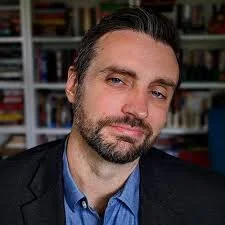
Dr. Drew McKevitt is the John D. Winters Endowed Professor of History at Louisiana Tech University.
His new book is Gun Country: Gun Capitalism, Culture, and Control in Cold War America.
His first book was Consuming Japan: Popular Culture and the Globalizing of 1980s America.
For more details on my research and writing, please see my publications.
He teaches undergraduate and graduate classes at Louisiana Tech on many subjects. He works with graduate students on graduate theses and comprehensive exams in the field of U.S. foreign relations history.
First Read: My Thoughts on Upcoming Star Wars and Indiana Jones
Tons of news coming out of Star Wars Celebration in London today and I'm going to attempt to give some quick thoughts on where I see the Star Wars and Indiana Jones franchises going. We're talking Ahsohka, Dawn of the Jedi, the new film starring Daisy Ridley, Grand Admiral Thrawn, and Indiana Jones and the Dial of Destiny.
Episode 19: Rocky 1v with Dr. Craig Bruce Smith and Dr. Robert Greene II
Did Rocky Balboa end the Cold War? More importantly, who won the war for 1980s hearts and minds between Arnold Schwarzenegger and Sylvester Stallone? We get into all of that with HATM Podcast veterans Craig Bruce Smith and Robert Greene II.
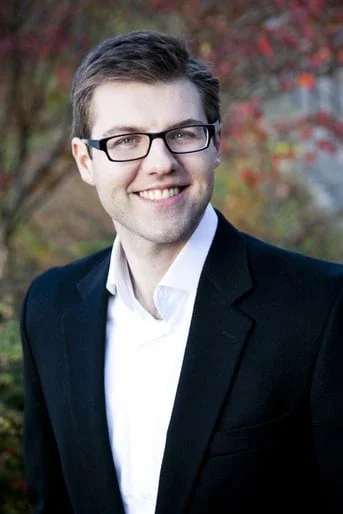
Craig Bruce Smith is an associate professor of history at National Defense University in the Joint Advanced Warfighting School (JAWS) in Norfolk, VA. He authored American Honor: The Creation of the Nation’s Ideals during the Revolutionary Era and co-authored George Washington’s Lessons in Ethical Leadership.
Smith earned his PhD in American history from Brandeis University. Previously, he was an associate professor of military history at the U.S. Army School of Advanced Military Studies (SAMS), an assistant professor of history, and the director of the history program at William Woods University, and he has taught at additional colleges, including Tufts University. He specializes in American Revolutionary and early American history, specifically focusing on George Washington, honor, ethics, war, the founders, transnational ideas, and national identity. In addition, he has broader interests in colonial America, the early republic, leadership, and early American cultural, intellectual, and political history.
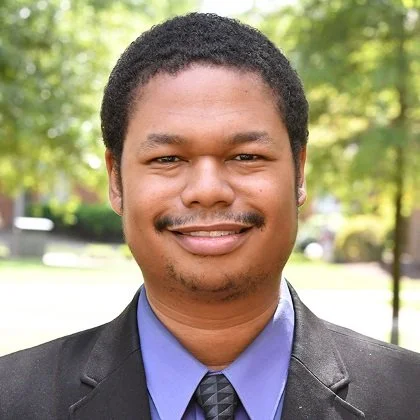
Assistant Professor of History Dr. Robert Greene II Dr. Greene received his Bachelor of Arts in Writing and Linguistics with a concentration in Creative Writing from Georgia Southern University; his Master of Arts in History from Georgia Southern University; and earned his Ph.D. in History from the University of South Carolina, Columbia. Dr. Greene recently completed his dissertation at the University of South Carolina, about the ways in which Democratic Party leaders in the South from 1964 to 1994 vied for the African American vote via appeals to Southern identity and memory of the Civil Rights Movement. Mr. Greene has published a book chapter in the collection Navigating Souths, and has published a scholarly article in Patterns of Prejudice. He has also published at several popular magazines and websites, including The Nation, Jacobin, Dissent, Scalawag, Current Affairs, and Jacobin.His research interests include African American history, American intellectual history since 1945, and Southern history since 1945. Dr. Greene is also a blogger and book review editor for the Society of U.S. Intellectual Historians, and has just begun a six-post stint for the Teaching American History blog.
Episode 18: Oh Brother, Where Art Thou? with Dr. Christopher Hodson
This week, Reckoning tackles the Acadian Diaspora, the Great Depression, the Odyssey, the Old South, the West, and the greatest Coen Brothers films of all time. Seriously, is there anything we don't cover in this episode?
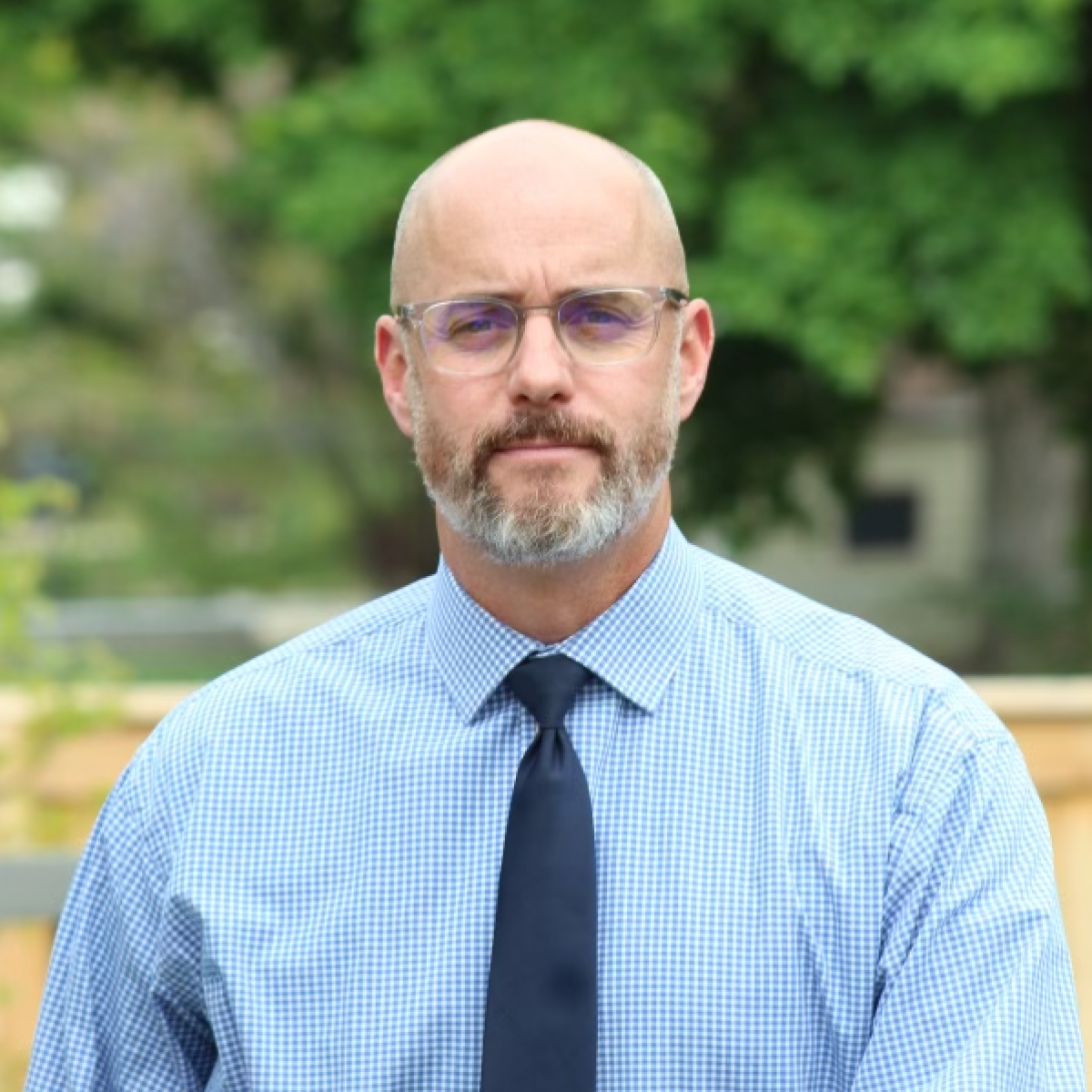
Dr. Christopher Hodson (PhD., Northwestern University, 2004) is a historian of early America and the early modern Atlantic world. He is the author of The Acadian Diaspora: An Eighteenth-Century History (Oxford, 2012) and essays in the William and Mary Quarterly, French Historical Studies, Early American Studies, and numerous edited volumes. With Brett Rushforth of the University of Oregon, he has recently completed a book manuscript, also to be published by Oxford, on the intertwined histories of France, West Africa, and the Americas from the medieval period through the age of revolutions. With Manuel Covo of the University of California, Santa Barbara, he is currently producing a translated critical edition of a long-lost first-person account of the Haitian Revolution to be published by the Omohundro Institute of Early American History and Culture/University of North Carolina Press. He has received fellowships from the McNeil Center for Early American Studies, the American Council of Learned Societies, and the American Philosophical Society, and has taught as a visiting lecturer at the École des hautes études en sciences sociales in Paris. He has served on numerous editorial boards, conference planning committees, and awards committees, and has recently accepted a position on the College Board’s AP U.S. History Exam Development Committee. He is also a volunteer instructor at the Utah State Prison via the Utah Prison Education Project, and serves as an appointed member of Utah’s Higher Education and Corrections Council.
Episode 17: Guys and Dolls with Dr. Sara Georgini
This week Reckoning takes on 1955's Guys and Dolls. Special guest Sara Georgini jumps in to talk about the film at the pinnacle of the American musical scene, the tension between Frank Sinatra and Marlon Brando, and yes, gets me to list my favorite musicals of all time.

Dr. Sara Georgini is series editor for The Papers of John Adams, part of the Adams Papers editorial project at the Massachusetts Historical Society. She is the author of Household Gods: The Religious Lives of the Adams Family. Bluesky: @sarageorgini.bsky.social
Episode 16: Master and Commander with Dr. Mary Hicks
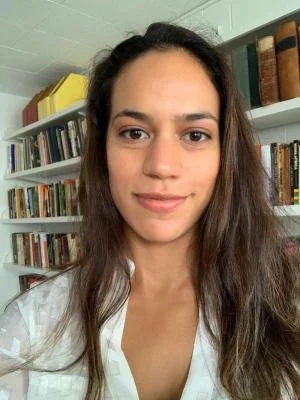
Dr. Mary Hicks is a historian of the Black Atlantic, with a focus on transnational histories of race, slavery, capitalism, migration and the making of the early modern world. Her first book, Captive Cosmopolitans: Black Mariners and the World of South Atlantic Slavery, 1721-1835, reimagines the history of Portuguese exploration, colonization and oceanic commerce from the perspective of enslaved and freed black seamen laboring in the transatlantic slave trade. As the Atlantic world’s first subaltern cosmopolitans, black mariners, she argues, were integral in forging a unique commercial culture that linked the politics, economies and people of Salvador da Bahia with those of the Bight of Benin.
More broadly, she seeks to interrogate the multiplicity of connections between West Africa and Brazil through the lens of mutual cultural, technological, commercial, intellectual and environmental influences and redefine how historians understand experiences of enslavement and the middle passage. In addition to investigating the lives of African sailors, she also explores the cultural and religious sensibilities of enslaved and freed African women in living in 19th century Salvador da Bahia. Along these lines, her second book will detail the emergence and elaboration of new gendered and racialized subjectivities in the wake of Portugal’s initiation of trade with West Africa in the fifteenth century.
Prof. Hicks received her B.A. from the University of Iowa and her Ph.D. from the University of Virginia, where she was a recipient of the Jefferson Fellowship. She has also received the Ford Foundation Dissertation Fellowship and the Mamolen Fellowship at the Hutchins Center at Harvard University. She is the winner of the Southern Historical Association’s Latin American & Caribbean Section Dissertation Prize and been a finalist for the CGS/Proquest Distinguished Dissertation Award for the Humanities and Fine Arts.
Episode 15: Jeremiah Johnson with Dr. Jacob Lee
This week Jacob Lee joins Reckoning to talk about the myth of the mountain man on film via 1972's Jeremiah Johnson and 2015's The Revenant. Basically, these films are beautifully shot and largely full of shit. But that doesn't mean we can't enjoy them. Jacob and I talk a lot about the borderlands, sexual representation on film, and the role movies like these have in shaping the ways people think about American history. And of course, THE GIF.
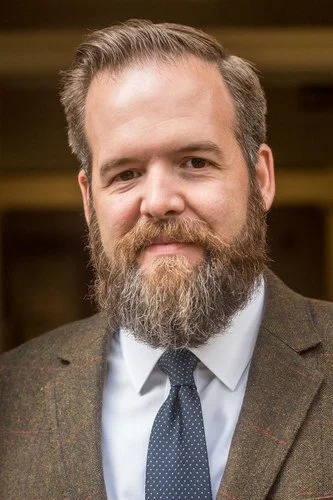
Dr. Jacob Lee is a historian of early America and the American West, focusing on colonialism and borderlands. His first book, Masters of the Middle Waters: Indian Nations and Colonial Ambitions Along the Mississippi (Harvard University Press, 2019), embedded intertwined Native and imperial histories in the physical landscape of Middle America, a vast region encompassing much of the central Mississippi River valley. In the centuries between the collapse of the ancient metropolis of Cahokia around A.D. 1300 and the rise of the U.S. empire in the early 1800s, power flowed through the kinship-based alliances and social networks that controlled travel and communication along the many rivers of the midcontinent. Drawing on a range of English-, French-, Spanish-, and Illinois-language sources, as well as archaeology, oral history, and environmental science, Masters of the Middle Waters emphasized the power of personal relationships and the environment to shape the course of empires and nations.
He is currently working on a history of the everyday operation of legal jurisdiction in Indian Territory (present-day Oklahoma and Kansas) from the 1820s through the 1850s. Tentatively-titled The Laws of Nations: Legal Jurisdiction and the Struggle for Sovereignty in Indian Territory, this project examines the ways that Indigenous nations, especially Cherokee Nation and Osage Nation, effected sovereignty over people and land through the assertion and exercise of jurisdiction over crimes committed within their borders. In adjudicating crimes ranging from murder to theft to bootlegging, Native nations repaired harms, defined citizenship, and exercised authority in the face of the efforts of U.S. federal and state governments to usurp and undermine Indigenous governance.
Episode 14: Predator with Dr. Craig Bruce Smith and Dr. Robert Greene II
Here it is folks, the one that started them all: 1987's Predator starring Arnold Schwarzenegger, Carl Weathers, Sonny Landham, Jesse Ventura, and more catchphrases than any other film in history. This is actually the very first podcast we ever taped and it's still my favorite. In it, Craig, Rob, and I dig into this movie, talking about what Predator has to say about masculinity, geopolitics, and ultimately, which version of Arnold is the most powerful of them all.
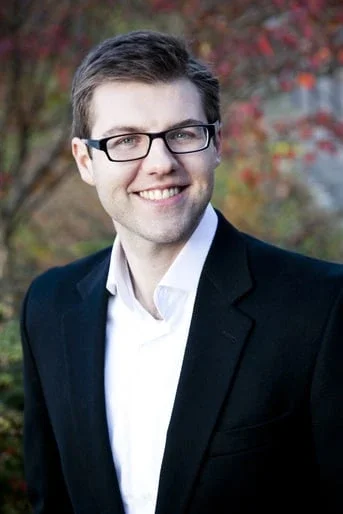
Dr. Craig Bruce Smith is Professor of History at National Defense University in the Joint Advanced Warfighting School (JAWS) in Norfolk, VA.
He authored American Honor: The Creation of the Nation’s Ideals during the Revolutionary Era and co-authored George Washington’s Lessons in Ethical Leadership. Smith earned his PhD in American history from Brandeis University. Previously, he was an associate professor of military history at the U.S. Army School of Advanced Military Studies (SAMS), an assistant professor of history, and the director of the history program at William Woods University, and he has taught at additional colleges, including Tufts University.
He specializes in American Revolutionary and early American history, specifically focusing on George Washington, honor, ethics, war, the founders, transnational ideas, and national identity. In addition, he has broader interests in colonial America, the early republic, leadership, and early American cultural, intellectual, and political history.
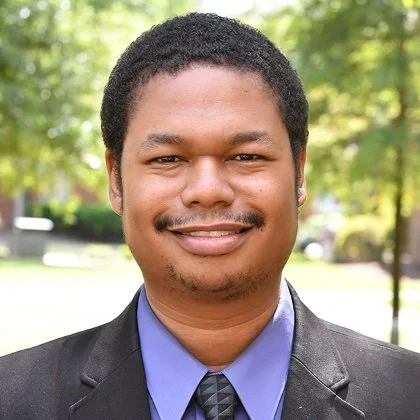
Assistant Professor of History Dr. Robert Greene II received his Bachelor of Arts in Writing and Linguistics with a concentration in Creative Writing from Georgia Southern University; his Master of Arts in History from Georgia Southern University; and earned his Ph.D. in History from the University of South Carolina, Columbia. Dr. Greene recently completed his dissertation at the University of South Carolina, about the ways in which Democratic Party leaders in the South from 1964 to 1994 vied for the African American vote via appeals to Southern identity and memory of the Civil Rights Movement. Mr. Greene has published a book chapter in the collection Navigating Souths, and has published a scholarly article in Patterns of Prejudice. He has also published at several popular magazines and websites, including The Nation, Jacobin, Dissent, Scalawag, Current Affairs, and Jacobin.His research interests include African American history, American intellectual history since 1945, and Southern history since 1945. Dr. Greene is also a blogger and book review editor for the Society of U.S. Intellectual Historians, and has just begun a six-post stint for the Teaching American History blog.
Episode 13: Crocodile Dundee with Dr. Chelsea Barnett and Dr. Joel Barnes
This week Reckoning goes Down Under to talk about 1986's Crocodile Dundee and we are doing it with the founders of Historians At The Movies: Australia: Chelsea Barnett and Joel Barnes. This movie is everything HATM was designed for: taking something fun and then pointing out everything we can take from it. This was a blast to record.
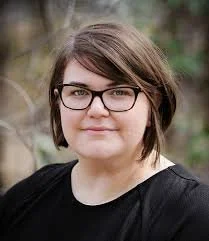
Dr Chelsea Barnett is a gender and cultural historian whose work explores the representation of masculinities in Australian popular culture, in order to understand the complex and varied ways in which masculinity has made sense in particular historical contexts. Under this broad research aim she engages with feminist and queer theory, the history of sex and sexuality, twentieth-century Australian history, and the history in and of popular culture.
Chelsea is a Chancellor's Postdoctoral Research Fellow at UTS, and is located in the Australian Centre for Public History. In her current project, she is exploring the cultural history of single men, focusing on how Australian film and magazines in the postwar world have represented and made sense of the relationship between men and the expectation of marriage.
Chelsea is the author of "Reel Men: Australian Masculinity at the Movies, 1949-1962" (Melbourne University Press, 2019). She has authored academic articles in leading journals including History Australia, Australian Historical Studies, and the Historical Journal of Film, Radio and Television. Chelsea is currently the ECR co-representative for the Australian Historical Association, and is the co-convenor of Historians at the Movies Australia (#HATMAus).

Dr. Joel Barnes is a historian with interests in histories of science, the humanities, and universities. His main current project (with Associate Professor Ian Hesketh) is examining commemorations of the life and work of Charles Darwin in a range of national and disciplinary contexts. He was recently postdoctoral research fellow on the history strand of the multi-disciplinary Science and Religion: Exploring the Spectrum project, which investigated the complexity of historical and contemporary relations between evolutionary science and belief across a number of national settings. Both projects are funded by the International Research Network for the Study of Science and Belief in Society. Before joining the University of Queensland, Joel was a Research Associate in the Australian Centre for Public History at the University of Technology Sydney, working on an Australian Research Council-funded project on the history of humanities institutions in Australia since 1945.
Episode 12: The Patriot with Dr. Craig Bruce Smith and Dr. Robert Greene II
This week Reckoning revisits what is obviously the most historically accurate film ever made: Mel Gibson's The Patriot (2000). Ok, so maybe the movie plays fast and loose with history, but does that mean we can't have fun with it? Craig Bruce Smith and Robert Greene II jump in to jump on The Patriot.
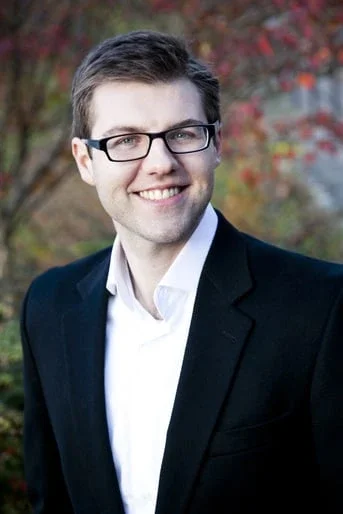
Dr. Craig Bruce Smith is an associate professor of history at National Defense University in the Joint Advanced Warfighting School (JAWS) in Norfolk, VA.
He authored American Honor: The Creation of the Nation’s Ideals during the Revolutionary Era and co-authored George Washington’s Lessons in Ethical Leadership.
Smith earned his PhD in American history from Brandeis University. Previously, he was an associate professor of military history at the U.S. Army School of Advanced Military Studies (SAMS), an assistant professor of history, and the director of the history program at William Woods University, and he has taught at additional colleges, including Tufts University.
He specializes in American Revolutionary and early American history, specifically focusing on George Washington, honor, ethics, war, the founders, transnational ideas, and national identity. In addition, he has broader interests in colonial America, the early republic, leadership, and early American cultural, intellectual, and political history.
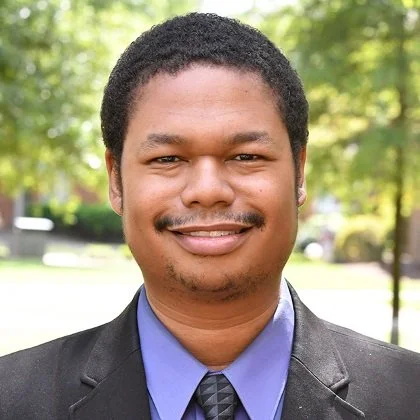
Assistant Professor of History Dr. Robert Greene II Dr. Greene received his Bachelor of Arts in Writing and Linguistics with a concentration in Creative Writing from Georgia Southern University; his Master of Arts in History from Georgia Southern University; and earned his Ph.D. in History from the University of South Carolina, Columbia. Dr. Greene recently completed his dissertation at the University of South Carolina, about the ways in which Democratic Party leaders in the South from 1964 to 1994 vied for the African American vote via appeals to Southern identity and memory of the Civil Rights Movement. Mr. Greene has published a book chapter in the collection Navigating Souths, and has published a scholarly article in Patterns of Prejudice. He has also published at several popular magazines and websites, including The Nation, Jacobin, Dissent, Scalawag, Current Affairs, and Jacobin.His research interests include African American history, American intellectual history since 1945, and Southern history since 1945. Dr. Greene is also a blogger and book review editor for the Society of U.S. Intellectual Historians, and has just begun a six-post stint for the Teaching American History blog.
Episode 11: Lincoln with Dr. Megan Kate Nelson and Dr. Lindsay Chervinsky
This week we get into Steven Spielberg's Lincoln. And I've got two of the best damn historians working today to talk about it. And yes, we're ranking the hottest presidents of all time.
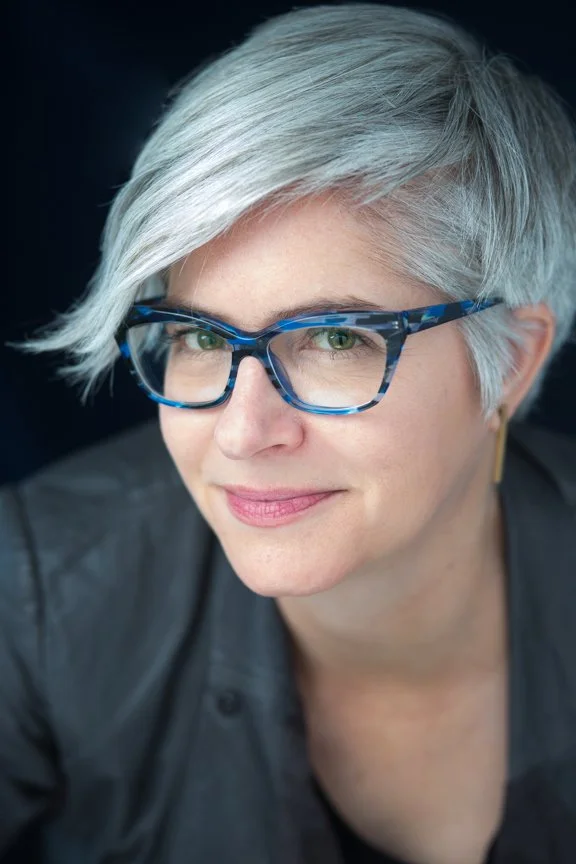
Dr. Megan Kate Nelson is the author of The Three-Cornered War: The Union, the Confederacy, and Native Peoples in the Fight for the West (Scribner, 2020), which was a Finalist for the 2021 Pulitzer Prize in History.
Her most recent book, Saving Yellowstone: Exploration and Preservation in Reconstruction America was published by Scribner on March 1, 2022, the 150th anniversary of the Yellowstone Act, which created the first national park in the world. Saving Yellowstone has won the 2023 Spur Award for Historical Nonfiction, and is one of Smithsonian Magazine‘s Top Ten Books in History for 2022.
Her new book, The Westerners: Myth-Making and Belonging on the American Frontier, will be published with Scribner in April 2026.
She is an expert in the history of the American Civil War, the U.S. West, and popular culture, and have written articles about these topics for The New York Times, Washington Post, TIME, The Atlantic, Slate, and Smithsonian Magazine.

Dr. Lindsay M. Chervinsky is a presidential historian and the Executive Director of the George Washington Presidential Library. She is the author of the award-winning books, The Cabinet: George Washington and the Creation of an American Institution and Making the Presidency: John Adams and the Precedents That Forged the Republic, and co-editor of Mourning the Presidents: Loss and Legacy in American Culture. She regularly writes for public audiences in the Wall Street Journal, The Bulwark, Time Magazine, USA Today, CNN, and the Washington Post.
Episode 10: Soul Food with Adrian Miller and Dr. Mark Johnson
This week HATM revisits 1997's Soul Food to talk about food history, the African diaspora in the United States, and gendered spaces in the house. To do so, I got two of the best damn scholars of food history in the United States: Adrian Miller and Mark Johnson. If you don't know their work, you soon will because they drop some absolute knowledge bombs in this podcast. And yes, we're gonna settle the best bbq debate once and for all. I hope you like the episode.
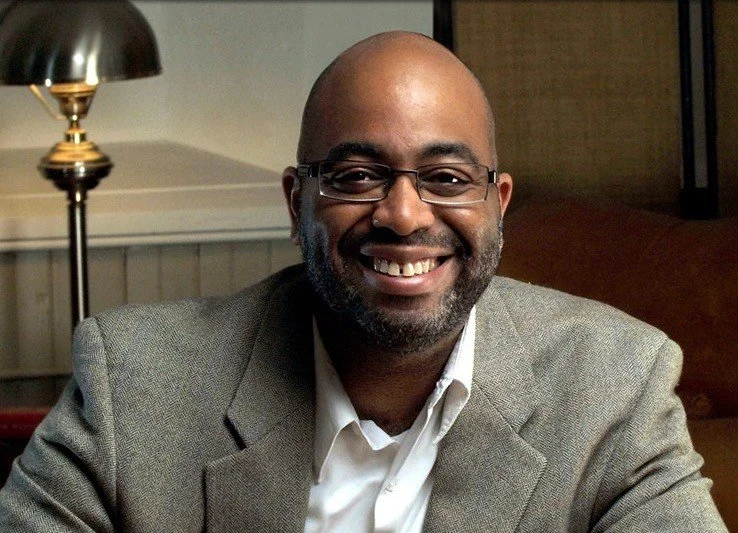
Adrian Miller is an award-winning culinary author, professional speaker, certified barbecue judge, and recovering attorney. He previously served as a White House special assistant to President Bill Clinton, and as a senior policy analyst for Colorado Governor Bill Ritter Jr. Adrian is currently the Executive Director of the Colorado Council of Churches, and recently co-curated the “Proclaiming Colorado’s Black History” exhibit for the Museum of Boulder. Adrian lives in Denver, Colorado.
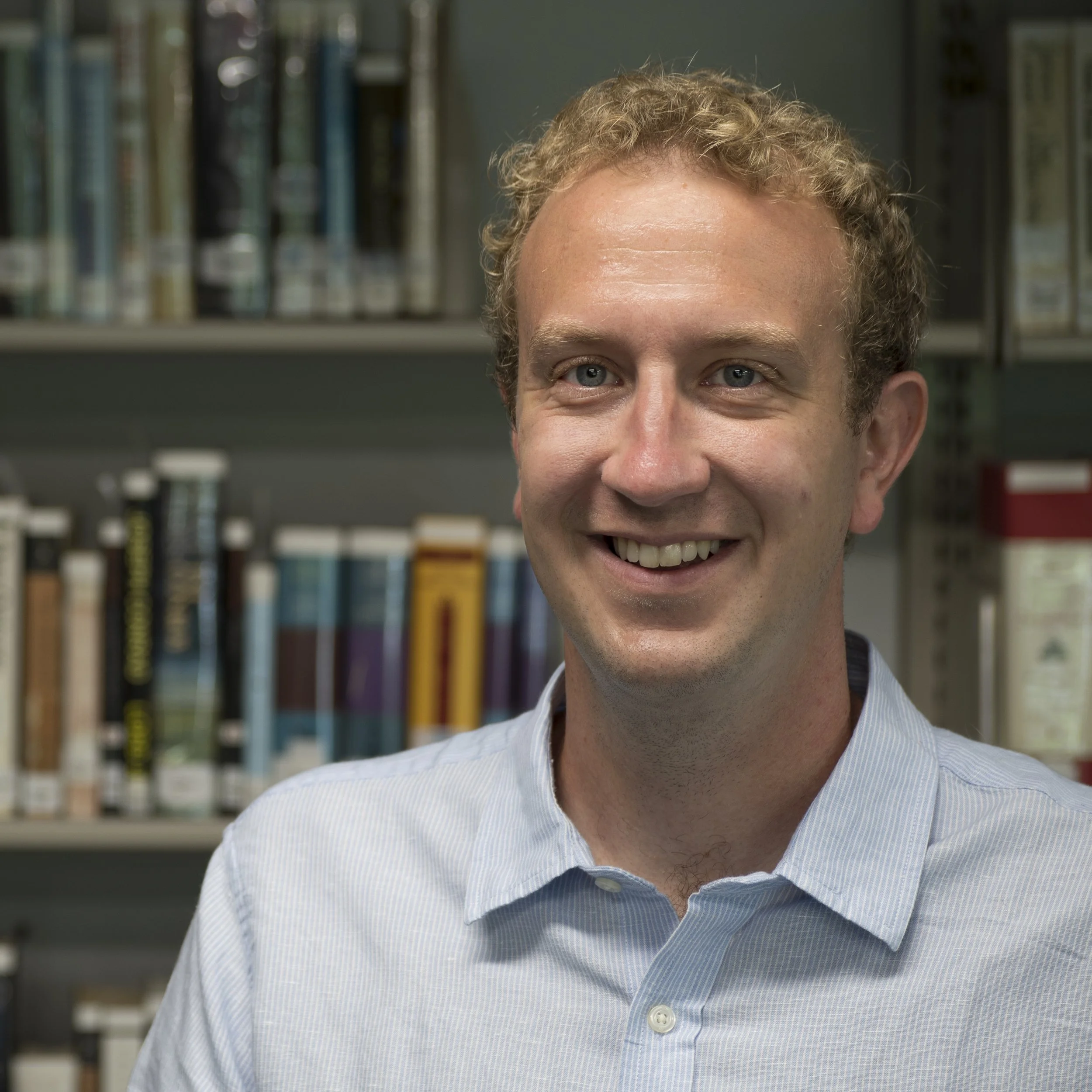
Mark A. Johnson, from Milwaukee, graduated in 2016 with a Ph.D. in History from the University of Alabama. Previously, he earned an M.A. from the University of Maryland and B.A. from Purdue University. Before joining the UTC faculty, he worked as a Visiting Lecturer at Georgia State University.
He specializes in the history of the United States and, specifically, the U.S. South and African American History. In 2017, he published An Irresistible History of Alabama Barbecue: From Wood Pit to White Sauce. In 2021, he published Rough Tactics: Black Performance in Political Spectacles, 1877-1932 came out with University Press of Mississippi. He previously published articles in Southern Cultures and Louisiana History.
Currently, he’s working on a cultural history of bacon in the United States tentatively titled American Bacon: The History of a Food Phenomenon with University of Georgia Press.
Episode 9: Star Wars with Dr. Alejandra Dubcovsky and Dr. Alan Malfavon
This episode is two of my favorite people talking about Star Wars and how it fits in discussing archival research and the North American borderlands. And yes, we rank the films, definitively.

Dr. Alejandra Dubcovsky is Professor of History at the University of California, Riverside. She is also the inaugural fellow in the Program for the Advancement of the Humanities, a partnership of The Huntington and UC Riverside that aims to support the future of the humanities. She received her BA and PhD from UC Berkeley. She also has a Masters in Library and Information Science from San Jose State.

Dr. Alan Malfavon’s first book, Men of the Leeward Port: Veracruz’s Afro-Descendants in the Making of Mexico, under contract with the University of Alabama Press, focuses on the understudied Afro-Mexican population of Veracruz and its hinterland of Sotavento (Leeward) and uses it to reframe the historical and historiographical transition between the colonial and national period. It argues how Afro-Mexicans facilitated, complicated, and participated in multiple socio-political processes that reshaped Veracruz and its borderlands.
His research resituates Mexico’s socio-political, cultural, and economic networks with the Atlantic World and the Greater Caribbean, and it dissects and problematizes those networks by centering the Black and Afro-Mexican experience. His research interrogates and subverts archival silences that have erased Black and Afro-Mexican agency from narratives of Mexican identity and nation-state formation, seeking to diversify these narratives by foregrounding the voices, perspectives, and actions of Afro-descendants.
Episode 8: Thelma & Louise with Dr. Jacki Antonovich and Dr. Lauren MacIvor Thompson
This week we're dipping into Ridley Scott's Thelma and Louise (1991). This is such a powerhouse film and we can use it to talk about a ton of issues related to the early '90s and all the way to today. And this movie is just awesome. So watch it as soon as you can.
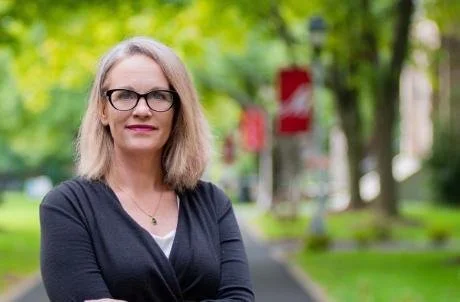
Dr. Jacqueline Antonovich is a historian of health, medicine, and politics in the United States. She is an Associate Professor in History at Muhlenberg College in Allentown, PA, where she also directs the Shankweiler Scholars Medical Humanities Honors Program. She is currently working on a book with Rutgers University Press on women physicians and medical imperialism in the turn-of-the-century American West.

Dr. Lauren MacIvor Thompson is a historian of early-twentieth-century women’s rights and public health. She serves as the faculty research fellow at the Georgia State University College of Law’s Center for Law, Health & Society. Beginning Fall 2021, she will also join the faculty at Kennesaw State University as a jointly-appointed Assistant Professor of History and Interdisciplinary Studies. Thompson’s current research focuses on the intersections of medical authority and expertise, women’s health, and public health policy in the birth control and reproductive health movements. She is working on a book manuscript, Battle for Birth Control: Mary Dennett, Margaret Sanger, and the Rivalry That Shaped a Movement, forthcoming with Rutgers University Press. She has published numerous articles and op-eds including work in Law and History Review, The Journal of the Gilded Age and Progressive Era, the Washington Post and the New York Times. Her research has been supported by fellowships from the American Philosophical Society, the New York Academy of Medicine, and the Society for the Gilded Age and Progressive Era, among others. Thompson is also a frequent public speaker including presentations at the American Historical Association, the Organization of American Historians, the American Society for Legal History, and the American Association for the History of Medicine, as well as national and international symposiums on suffrage and legal rights, reproduction, health, and medicine. She is a member of the national Scholars Strategy Network.
Episode 7: The Grand Budapest Hotel with Dr. Adam Blackler
We're joined this week by my good friend and fellow University of Minnesota alum Dr. Adam Blackler to talk about Wes Anderson's The Grand Budapest Hotel. Folks, I'd never seen this film before watching it for the pod so listening to Adam dissect it is a thing of beauty. But stay on, because he'll talk about his work in German colonial Africa as well as German cinema and how it informs the present. It's good stuff.
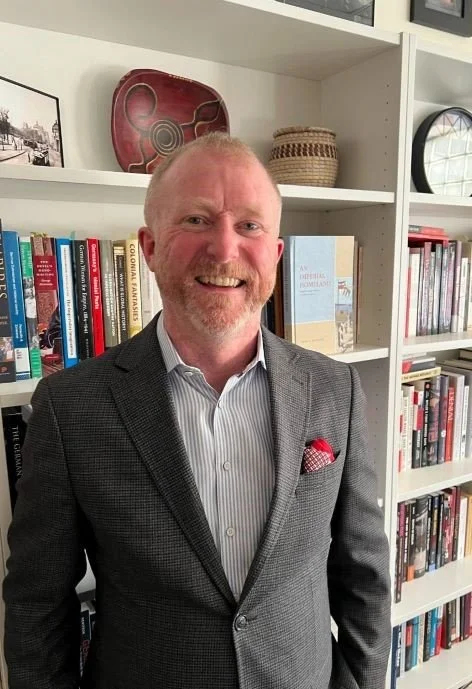
Dr. Adam A. Blackler is an associate professor of history at the University of Wyoming. He is a historian of modern Germany and southern Africa, whose research emphasizes the transnational dimensions of imperial occupation and colonial violence in the nineteenth and twentieth centuries. His scholarly interests also include the political and social dynamics of Germany’s Weimar Republic and the interdisciplinary fields of holocaust & genocide Studies and international human rights. Dr. Blackler has held invited positions as a visiting professor in the Friedrich-Meinecke-Institute at Freie Universität (Berlin, Germany) and at the Ernst-Abbe-Hochschule (Jena, Germany). He held these positions as part of a year-long sabbatical in 2024-2025, when he conducted extensive archival research in Germany, Namibia, and South Africa.
His scholarship has appeared in distinguished peer-reviewed journals, university presses, and edited collections since 2017. Dr. Blackler published his first book monograph, entitled An Imperial Homeland: Forging German Identity in Southwest Africa, with Pennsylvania State University Press’s series “Germans Beyond Europe” in 2022. PSUP released it in paperback in 2023. Dr. Blackler is presently writing a second book-length monograph, entitled Scrambling Back to Southwest Africa: False Victimhood and Empire in Weimar Germany. In addition, he is writing a new short analysis of Viktor Klemperer and his personal confrontations with fascist violence during the Third Reich, entitled I Shall Bear Witness—Viktor Klemperer in His Time, and Ours. Numerous national and international organizations have generously funded his research, including the National Endowment for the Humanities (NEH), Deutscher Akademischer Austausch Dienst (DAAD), United States Holocaust Memorial Museum (USHMM), Holocaust Educational Foundation (HEF), Flittie Sabbatical Award, Center for Global Studies and Engagement (CGS), College of Arts and Sciences, and the Wyoming Institute for Humanities Research (WIHR). Dr. Blackler received the University of Wyoming’s Extraordinary Merit in Research Award in 2022.
Dr. Blackler offers a wide range of survey, upper division, online, study abroad, and graduate courses in modern European and world history. Course topics include European colonialism, nationalism and transnationalism, comparative and opposing fascism, Nazi Germany and the Holocaust, Weimar Germany, and human rights and crimes against humanity. Several of his MA advisees accepted funded positions in prestigious Ph.D. programs, including UNC-Chapel Hill, University of Kansas, and Boston College. In 2024, he received both the Extraordinary Merit in Teaching Award and John “Jack” P. Ellbogen Meritorious Classroom Teaching Award.
Episode 6: Time Bandits with Dr. David Perry and Dr. Matthew Gabriele
What is it about time travel movies that entices us all? I guarantee if you start thinking about your favorite films there's a time travel movie in there somewhere. Besides, isn't history a way of traveling to the past and thinking about what we would've done in those circumstances? This week, we're getting medieval on the HATM Podcast with two historians who are rethinking the Middle Ages. They've got a new book, The Bright Ages: A New History of Medieval Europe, and they picked one crazy movie to talk about: Time Bandits. Buckle up.

Dr. David M. Perry is a journalist and historian. He is the co-author of Oathbreakers and The Bright Ages: A New History of Medieval Europe, both from HarperCollins. Publishers Weekly is calling Oathbreakers “An enlightening portrait of the medieval mindset” while The Boston Globe said The Bright Ages was “incandescent and ultimately intoxicating.”
Over the last few years, Perry’s work on history, parenting, disability, and politics has appeared in The New York Times, The Washington Post, The Nation, The Daily Beast, Smithsonian, Slate, CNN, and many others.
See a selection of Perry’s published pieces here.
Perry was a professor of Medieval History at Dominican University from 2006-2017. His scholarly work focuses on Venice, the Crusades, and the Mediterranean World. He’s the author of Sacred Plunder: Venice and the Aftermath of the Fourth Crusade (Penn State University Press, 2015). Now he works for the University of Minnesota, convincing students that studying history is good for them and good for their careers (it is!).
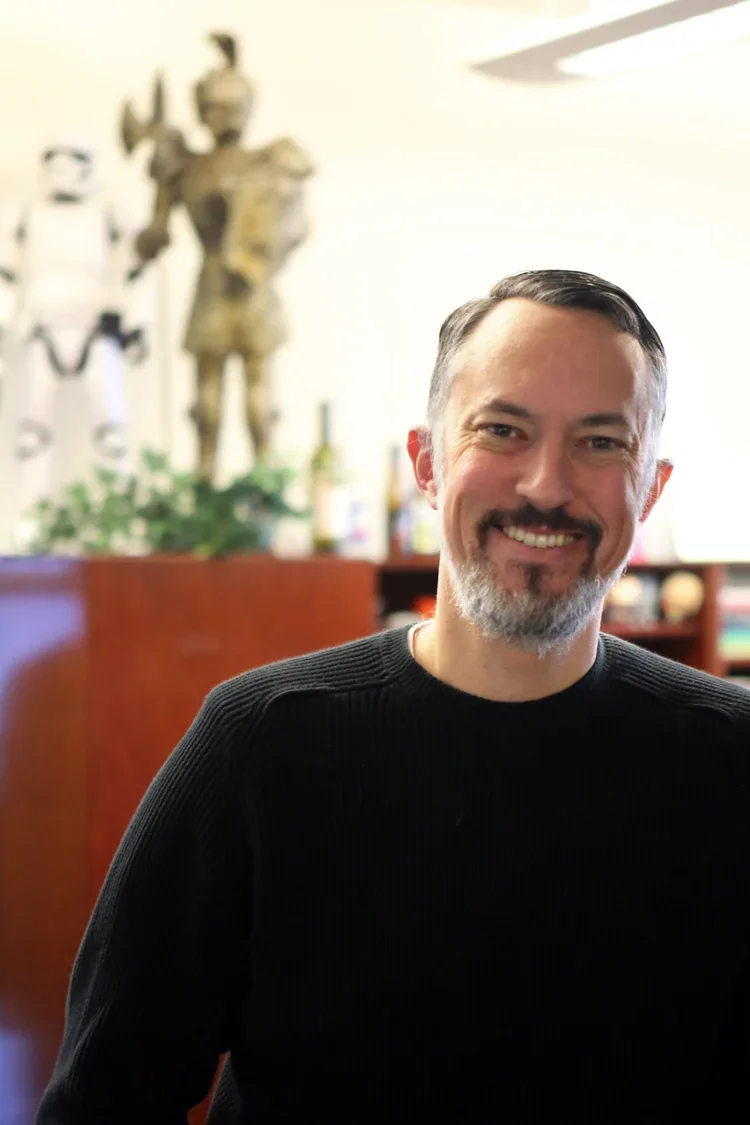
Dr. Matthew Gabriele is a professor of Medieval Studies, and an elected Fellow of the Royal Historical Society (UK).
His research and teaching focus on ideas of religion and violence, as well as nostalgia and apocalypse, focused on the European Middle Ages and how that period has been remembered by subsequent generations. He currently teaches at Virginia Tech.
He has published several scholarly books and numerous peer-reviewed articles, which have led to invited talks given to universities across the United States, and he has also presented his research at universities in England, Scotland, Germany, France, and the Netherlands. In 2010, he was a visiting researcher at Westfälische Wilhelms Üniversität-Münster, and in 2023 he was the Donald J. Bullough Fellow in Mediaeval History at the University of St. Andrews, UK.
His public writing has appeared in such places as The Washington Post, Time, CNN, Slate, and MSNBC. He was between 2018-19 a columnist for Forbes, and was a columnist for Smithsonian Magazine between 2020-21. He has appeared as an expert on the History Channel and NPR, and other interviews with him on radio, podcasts, and TV have aired locally, nationally, and internationally.
With David M. Perry, he co-authored: The Bright Ages: A New History of Medieval Europe (Harper Books, 2021). He and David have teamed up again on their latest book: Oathbreakers: The War of Brothers that Shattered an Empire and Made Medieval Europe (Harper Books, 2024).
Episode 5: The Taking of Pelham One Two Three with Dr. Eric Rauchway
There are few films that can be considered as perfect movies. But 1974's The Taking of Pelham One Two Three may be on that list. We're joined this week by Eric Rauchway, a professor at UC Davis and specialist of The New Deal. We break down what this movie has to say about American politics coming out of World War II, the meaning of the subway to the people of New York City, and whether or not Walter Matthau is the first American action hero. You're going to like where this takes us.
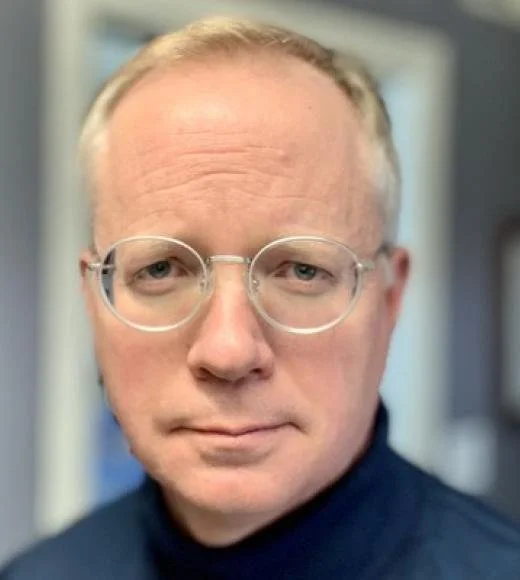
Dr. Eric Rauchway's newest book, Why the New Deal Matters, was published by Yale University Press in 2021. He welcomes applications for graduate study in U.S. history during the 1930s and 1940s, with special interest in policies of the Roosevelt administration. He has chaired the UC Davis Senate committees on the library and on academic freedom and responsibility, as well as the systemwide committee on academic freedom.
Professor Rauchway's recent research focuses on the New Deal and the Second World War. He has consulted for the U.S. Department of Justice and a major Hollywood studio, and welcomes inquiries from prospective graduate or honors students interested in studying the United States in the era of the Great Depression and the New Deal.
Episode 4: Die Hard with Dr. Annette Gordon-Reed and Dr. Craig Bruce Smith
We all know Die Hard is a Christmas movie, but is it a history movie? This week we're talking to two of the most prominent historians of the Early American Republic to get to the bottom of the debates. You're gonna love where this goes.
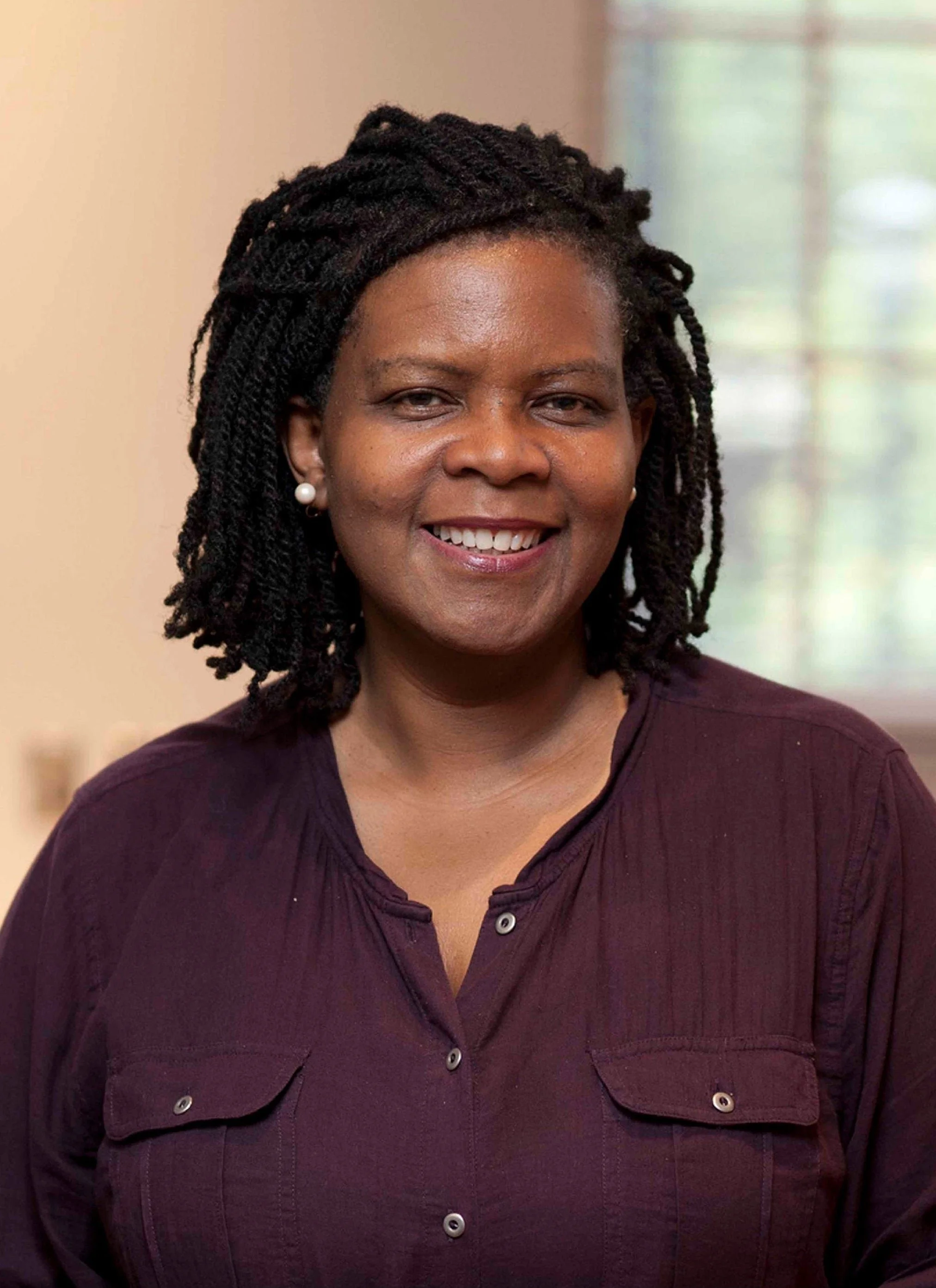
Dr. Annette Gordon-Reed is an American law professor and Pulitzer Prize-winning historian. She is currently the Carl M. Loeb University Professor at Harvard University, where she is also a professor of history in the university’s Faculty of Arts & Sciences.
Gordon-Reed is noted for transforming scholarship on Thomas Jefferson, particularly regarding his relationship with Sally Hemings and her children. She was awarded the Pulitzer Prize for History and the National Book Award for Nonfiction in 2008 for her groundbreaking work on the Hemings family of Monticello. In 2010, she received the National Humanities Medal and a MacArthur Fellowship, also known as the MacArthur “Genius Award.”
Since 2018, she has served as a trustee of the National Humanities Center in Research Triangle Park, NC. She was elected a member of the American Philosophical Society in 2019. Gordon-Reed’s contributions to historical scholarship and her dedication to uncovering and presenting the complexities of American history have made her a prominent and influential figure in both academic and public spheres.
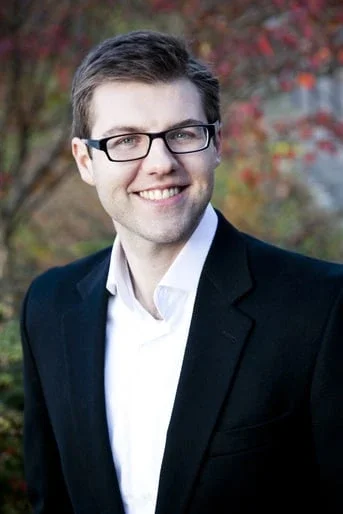
Dr. Craig Bruce Smith is professor of history at National Defense University in the Joint Advanced Warfighting School (JAWS) in Norfolk, VA. He authored American Honor: The Creation of the Nation’s Ideals during the Revolutionary Era and co-authored George Washington’s Lessons in Ethical Leadership.
Smith earned his PhD in American history from Brandeis University. Previously, he was an associate professor of military history at the U.S. Army School of Advanced Military Studies (SAMS), an assistant professor of history, and the director of the history program at William Woods University, and he has taught at additional colleges, including Tufts University.
He specializes in American Revolutionary and early American history, specifically focusing on George Washington, honor, ethics, war, the founders, transnational ideas, and national identity. In addition, he has broader interests in colonial America, the early republic, leadership, and early American cultural, intellectual, and political history.