
Episode 197: Soylent Green Explained: Eco-Dystopia, Climate Anxiety, and the 1970s That Still Haunt Us with Matthew Thompson
What if our most famous environmental dystopias reveal as much about fear and ideology as they do about the future?
In this episode of Reckoning with Jason Herbert, I sit down with film scholar Matthew Thompson, author of On Life Support, to unpack the haunting world of Soylent Green—and the larger tradition of eco-dystopian cinema that emerged in the 1970s.
We explore how films like Soylent Green, Planet of the Apes, and Silent Running channeled the anxieties of the early environmental movement, from overpopulation and pollution to resource scarcity and class inequality. Drawing on the influence of Rachel Carson’s Silent Spring, we examine how these films translated real-world fears into unforgettable cinematic visions.
But this conversation goes deeper. Thompson argues that beneath their ecological warnings, these films often carry troubling assumptions—about population control, class, and who gets to survive. From the legacy of The Population Bomb to the shocking logic behind Soylent Green’s infamous twist, we ask: what do these stories really say about environmental politics—then and now?
We also connect the 1970s to today’s resurgence of eco-dystopian storytelling, from Snowpiercer to Don’t Look Up, and consider what modern climate anxiety reveals about our own moment.
This is a conversation about film, history, and the uneasy truths lurking beneath our visions of the future.
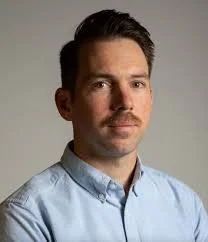
Matthew Thompson is an assistant professor in the Department of Film at the University of Regina on Treaty 4 and Métis Homeland in Saskatchewan. His research investigates the ways that science fiction media express environmental politics. In his new book, On Life Support: Eco-Dystopian Cinema in the Long 1970s, he uses 1970s science fiction ecocinema as a lens through which to view the early environmental movement, a lens that exposes many of the assumptions that continue to influence environmental politics to the present. Other areas of interest include Indigenous futurism, critical animal studies, artificial intelligence, and film philosophy. He has published in the journals Spectator, World Picture, and The New Review of Film and Television Studies.