
Episode 186: Clue: Laughter, Paranoia, and the Politics of the 1980s with Julio Capó, Jr.
What if Clue isn’t just a cult comedy — but a sharp satire of the Cold War?
In this episode of Reckoning with Jason Herbert, historian Julio Capó Jr. joins me to unpack the surprisingly profound history lesson hidden inside the 1985 film Clue. Set in a 1950s mansion but released during the Reagan era, Clue plays with paranoia, anti-communism, class anxiety, and America’s nostalgic myths about the past — all while delivering rapid-fire jokes and multiple endings.
We explore how the film reflects Cold War politics, the cultural mood of the 1980s, and why its farcical dinner party still resonates today. Is Clue simply a beloved murder mystery comedy? Or is it a clever commentary on power, fear, and the stories Americans tell about themselves?
If you love film history, Cold War history, political satire, or cult classics, this conversation will make you see Clue in an entirely new light.
🎙️ Subscribe, rate, and share Reckoning with Jason Herbert wherever you get your podcasts.
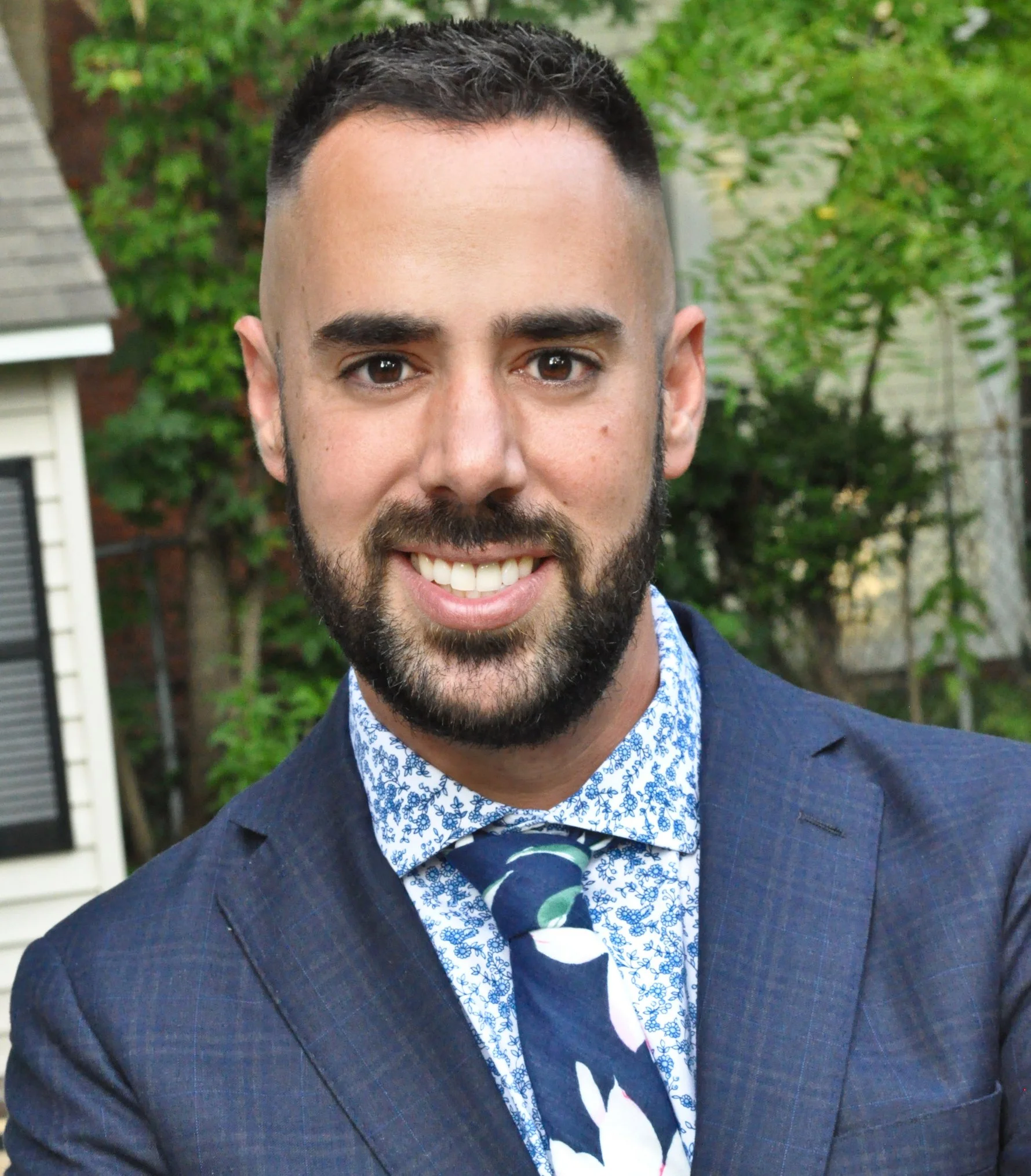
Dr. Julio Capó, Jr. is a transnational historian whose research and teaching interests include modern U.S. history, especially the United States’s relationship to the Caribbean and Latin America. He addresses how gender and sexuality have historically intersected with constructions of ethnicity, race, class, nation, age, and ability. He teaches introductory and specialized courses on all these subjects, as well as courses on public history.
Capó’s first book, Welcome to Fairyland: Queer Miami before 1940 (UNC Press, 2017), highlights how transnational forces—including (im)migration, trade, and tourism—to and from the Caribbean shaped Miami’s queer past. The book has received six awards and honors, including the Charles S. Sydnor Award from the Southern Historical Association for the best book written on the U.S. South. His work has also appeared in several major journals, including the Journal of American History, Radical History Review,Diplomatic History, Journal of Urban History, Journal of American Ethnic History,Modern American History, GLQ, as well as several edited volumes.
Capó’s research and teaching interests extend to his commitment to civic engagement and public-facing work. He has curated several exhibitions, including “Queer Miami: A History of LGBTQ Communities” for HistoryMiami Museum; it won the 2019 Museum Excellent Award from the Florida Association of Museums. Other exhibitions include “Zorita Takes Miami” for the Stonewall National Museum and Archives, “Zorita’s World” for History Fort Lauderdale, and “Messages from a Pandemic: AIDS Graphic Communication” (with Shoshana Resnikoff) for The Wolfsonian—FIU.
Prior to entering academia, he worked as a broadcast news writer and producer; he has written several dozen pieces for mainstream publications, including The Washington Post, The Miami Herald, El Nuveo Día (Puerto Rico), and Time, where he also serves as an Associate Editor of its Made by History section. He has appeared as a commentator in several podcasts, documentaries, and media projects. Capó has contributed to several initiatives through the National Park Service, especially promoting and identifying historic LGBTQ sites, and has served for several years on the National Historic Landmarks Committee. He sits on the scholarly advisory board of two Smithsonian museums: the National Portrait Gallery and the National Museum of the American Latino. The Organization of American Historians has named him a Distinguished Lecturer and he recently served as Vizcaya Museum and Gardens’ inaugural Scholar-in-Residence.
Through his research and teaching, and now with his efforts at both the Public Humanities Lab (PHL) and the History Department at FIU, Capó has been working to build a “Miami Studies” initiative. This includes his role in several grant-funded projects, generously supported by the National Endowment for the Humanities, Mellon Foundation, Florida Humanities, MonumentLab, and others.
Prior to coming to FIU, Capó worked as an Associate Professor in the Department of History and the Commonwealth Honors College at the University of Massachusetts, Amherst. He has held distinguished fellowships at the University of Sydney in Australia and Yale University.